nexusstc/Jews in Ancient and Medieval Armenia: First Century BCE - Fourteenth Century CE/1a03c83bc6368ed14f1a9c754c35781d.pdf
Jews in ancient and medieval Armenia : first century BCE to fourteenth century CE 🔍
Michael E. Stone; Stone; Aram Topchyan
IRL Press at Oxford University Press, Jun 17, 2022
英语 [en] · PDF · 4.9MB · 2022 · 📘 非小说类图书 · 🚀/lgli/lgrs/nexusstc/zlib · Save
描述
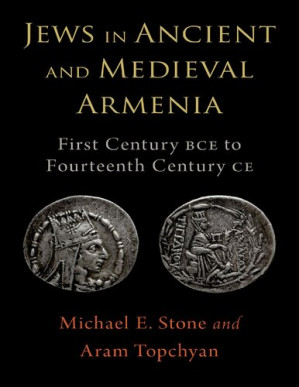
It was once common consensus that there was no significant Jewish community in ancient and medieval Armenia. The discovery and excavation (1997-2002) of a Jewish cemetery of the thirteenth-fourteenth centuries in southern Armenia substantially changed this picture. In this volume, Stone and Topchyan assemble evidence about the Jews of Armenia from earliest times to the fourteenth century. Based on research of the Greco-Roman period, the authors are able to draw new conclusions about the transfer of Jews--including the High Priest Hyrcanus--from the north of Palestine and other countries to Armenia by King Tigran the Great in the first century BCE.
The fact that descendants of King Herod ruled in Armenia in Roman times and that some noble Armenian families may have had Jewish origin is discussed. The much-debated identification of the "Mountains of Ararat" of Noah's Ark fame as well as ancient biblical and other references to Ararat and the Caucasus are re-assessed, and new evidence is adduced that challenges the scientific consensus. The role of Jews during the Seljuk, Mongol, and later times is also presented, from surviving sources in Armenian, Arabic, Hebrew, and others.
The volume also includes studies of medieval Jewish sources on Armenia and the Armenians and of communication between Armenia and the Holy Land. Documents from the Cairo Geniza, newly uncovered inscriptions, medieval itineraria , and diplomatica also throw light on Armenia in the context of the Turkic Khazar kingdom, which converted to Judaism in the latter part of the first century CE. It responds both to new archeological discoveries in Armenia and to the growing interest in the history of the region that extends north from the Euphrates and into the Caucasus.
The fact that descendants of King Herod ruled in Armenia in Roman times and that some noble Armenian families may have had Jewish origin is discussed. The much-debated identification of the "Mountains of Ararat" of Noah's Ark fame as well as ancient biblical and other references to Ararat and the Caucasus are re-assessed, and new evidence is adduced that challenges the scientific consensus. The role of Jews during the Seljuk, Mongol, and later times is also presented, from surviving sources in Armenian, Arabic, Hebrew, and others.
The volume also includes studies of medieval Jewish sources on Armenia and the Armenians and of communication between Armenia and the Holy Land. Documents from the Cairo Geniza, newly uncovered inscriptions, medieval itineraria , and diplomatica also throw light on Armenia in the context of the Turkic Khazar kingdom, which converted to Judaism in the latter part of the first century CE. It responds both to new archeological discoveries in Armenia and to the growing interest in the history of the region that extends north from the Euphrates and into the Caucasus.
备用文件名
lgli/Jews in Ancient and Medieval Armenia.pdf
备用文件名
lgrsnf/Jews in Ancient and Medieval Armenia.pdf
备用文件名
zlib/History/World History/Michael E. Stone, Aram Topchyan/Jews in Ancient and Medieval Armenia: First Century BCE - Fourteenth Century CE_22673854.pdf
备选标题
ANCIENT AND MEDIEVAL HISTORY OF THE
备选作者
Michael E. Stone; Aram Tʻopʻchʻyan
备选作者
Stone, Michael E., Topchyan, Aram
备选作者
Michael E Stone; Aram Tʿopʿchʿyan
备选作者
Michael Edward Stone
备用出版商
Oxford Institute for Energy Studies
备用出版商
German Historical Institute London
备用出版商
E-CONTENT GENERIC VENDOR
备用版本
United Kingdom and Ireland, United Kingdom
备用版本
Oxford University Press USA, Oxford, 2022
备用版本
New York, New York, 2022
备用版本
S.l, uuuu
备用版本
PT, 2022
备用版本
5, 2022
元数据中的注释
{"edition":"1","isbns":["0197582079","0197582095","0197582109","2021058954","2021058955","9780197582077","9780197582091","9780197582107"],"last_page":200,"publisher":"Oxford University Press"}
元数据中的注释
Source title: Jews in Ancient and Medieval Armenia: First Century BCE - Fourteenth Century CE
备用描述
Title Page
Copyright Page
Contents
Preface
Acknowledgments
Introduction
Abbreviations
1 “Ararat” and Armenia in the Bible and Associated Traditions
1.1 Genesis 8:4
1.2 Isaiah 37:38
1.3 Jeremiah 51:27
1.4 Concerning a City Built after Exit from the Ark
1.5 “Land of Ararat” in a Document of the Late First Century ce
1.6 The Ark in Apamea
2 Jews in Armenia in the Ancient Period (First Century bce to Fifth Century ce)
2.1 Introductory Remarks
2.2 The Oldest Evidence in Armenian Literature: Jews Deported from Armenia by the Persians (368/9 ce)
2.3 The Historical Background: The Events of 363–368/9
2.4 The Information on the Conquest of the Cities: Accurate or Legendary?
2.5 P‘awstos Buzand, 4.55
2.6 What Do the Numbers Indicate and What Might “Jews” (հրեայք) in P‘awstos Buzand Mean?
2.7 How Did the Jews Come to Armenia?
2.8 Greco-Roman Sources on Tigran’s Deportations
2.9 The Countries from Which Tigran Could Have Expatriated Jews
2.10 The Eight Armenian Cities with Armenian-Jewish Populations
2.11 Herod the Great’s Descendants on the Throne of Armenia
2.12 Information on the Jewish Origin of Armenian Princely Families in Movsēs Xorenac‘i
2.13 Jews Converted to Christianity in Armenia
2.14 Linguistic Issues: Possible Hebrew Words in Armenian
2.15 The Word for “Jew” in Armenian
2.16 Concluding Remarks
3 The Middle Ages
3.1 The Main Routes of Medieval Armenia
3.2 Jews in the Capital Dvin (Seventh through Ninth Centuries) and the “Jewish Singers” in the Region of Vaspurakan (Ninth Century)
3.3 Jews in Kapan (Eleventh and Twelfth Centuries) and a Jewish Physician at the Monastery of Geret‘in (Thirteenth Century)
3.4 Jews in Vayoc‘ Jor (Thirteenth and Fourteenth Centuries)
3.4.1 The Seljuk Attack and the Vayoc‘ Jor District
3.4.2 The Results of Ōrbelean Policy
3.5 The Cemetery
3.5.1 The Village of Ełegis
3.5.2 The Tombstones
3.5.3 The Inscriptions and the Character of the Community
3.5.4 The Decoration
3.5.5 Persian Origin of the Jewish Community
3.5.6 Conclusions
3.6 Why Do the Jews Disappear from Our Sources (Supposedly, in the Fourteenth Century)?
3.6.1 The Inscription of the Church Spitakawor Astuacacin as Additional Evidence
4 Other Armenian-Jewish Connections
4.1 Armenian Pilgrims and Pilgrimage to the Holy Land
4.1.1 Pilgrimage
4.1.2 Pilgrims between the Fourth Century and the Muslim Conquest
4.1.3 Pilgrim Graffiti
4.1.4 Pilgrimage in the Sixth to Eighth Centuries
4.2 References to Armenia in Ancient Jewish Literature
4.2.1 Possible References in Talmud
4.2.2 Identifications of Armenia in Medieval Jewish Sources
4.2.3 Later Jewish Identifications of Ashkenaz
4.2.4 Later Jewish Information about the History of Armenia
4.2.5 Medieval Jewish Identifications of and Traditions about Armenia
4.3 A List of Armenian Cities in Judeo-Arabic
4.4 Armenia in the Khazar Documents
Notes
Bibliography
Index of Personal, Ethnic, and Geographical Names
Copyright Page
Contents
Preface
Acknowledgments
Introduction
Abbreviations
1 “Ararat” and Armenia in the Bible and Associated Traditions
1.1 Genesis 8:4
1.2 Isaiah 37:38
1.3 Jeremiah 51:27
1.4 Concerning a City Built after Exit from the Ark
1.5 “Land of Ararat” in a Document of the Late First Century ce
1.6 The Ark in Apamea
2 Jews in Armenia in the Ancient Period (First Century bce to Fifth Century ce)
2.1 Introductory Remarks
2.2 The Oldest Evidence in Armenian Literature: Jews Deported from Armenia by the Persians (368/9 ce)
2.3 The Historical Background: The Events of 363–368/9
2.4 The Information on the Conquest of the Cities: Accurate or Legendary?
2.5 P‘awstos Buzand, 4.55
2.6 What Do the Numbers Indicate and What Might “Jews” (հրեայք) in P‘awstos Buzand Mean?
2.7 How Did the Jews Come to Armenia?
2.8 Greco-Roman Sources on Tigran’s Deportations
2.9 The Countries from Which Tigran Could Have Expatriated Jews
2.10 The Eight Armenian Cities with Armenian-Jewish Populations
2.11 Herod the Great’s Descendants on the Throne of Armenia
2.12 Information on the Jewish Origin of Armenian Princely Families in Movsēs Xorenac‘i
2.13 Jews Converted to Christianity in Armenia
2.14 Linguistic Issues: Possible Hebrew Words in Armenian
2.15 The Word for “Jew” in Armenian
2.16 Concluding Remarks
3 The Middle Ages
3.1 The Main Routes of Medieval Armenia
3.2 Jews in the Capital Dvin (Seventh through Ninth Centuries) and the “Jewish Singers” in the Region of Vaspurakan (Ninth Century)
3.3 Jews in Kapan (Eleventh and Twelfth Centuries) and a Jewish Physician at the Monastery of Geret‘in (Thirteenth Century)
3.4 Jews in Vayoc‘ Jor (Thirteenth and Fourteenth Centuries)
3.4.1 The Seljuk Attack and the Vayoc‘ Jor District
3.4.2 The Results of Ōrbelean Policy
3.5 The Cemetery
3.5.1 The Village of Ełegis
3.5.2 The Tombstones
3.5.3 The Inscriptions and the Character of the Community
3.5.4 The Decoration
3.5.5 Persian Origin of the Jewish Community
3.5.6 Conclusions
3.6 Why Do the Jews Disappear from Our Sources (Supposedly, in the Fourteenth Century)?
3.6.1 The Inscription of the Church Spitakawor Astuacacin as Additional Evidence
4 Other Armenian-Jewish Connections
4.1 Armenian Pilgrims and Pilgrimage to the Holy Land
4.1.1 Pilgrimage
4.1.2 Pilgrims between the Fourth Century and the Muslim Conquest
4.1.3 Pilgrim Graffiti
4.1.4 Pilgrimage in the Sixth to Eighth Centuries
4.2 References to Armenia in Ancient Jewish Literature
4.2.1 Possible References in Talmud
4.2.2 Identifications of Armenia in Medieval Jewish Sources
4.2.3 Later Jewish Identifications of Ashkenaz
4.2.4 Later Jewish Information about the History of Armenia
4.2.5 Medieval Jewish Identifications of and Traditions about Armenia
4.3 A List of Armenian Cities in Judeo-Arabic
4.4 Armenia in the Khazar Documents
Notes
Bibliography
Index of Personal, Ethnic, and Geographical Names
备用描述
It was once common consensus that there was no significant Jewish community in ancient and medieval Armenia. The discovery and excavation (1997-2002) of a Jewish cemetery of the thirteenth-fourteenth centuries in southern Armenia substantially changed this picture. In this volume, Stone and Topchyan assemble evidence about the Jews of Armenia from earliest times to the fourteenth century. Based on research of the Greco-Roman period, the authors are able to draw new conclusions about the transfer of Jews--including the High Priest Hyrcanus--from the north of Palestine and other countries to Armenia by King Tigran the Great in the first century BCE.The fact that descendants of King Herod ruled in Armenia in Roman times and that some noble Armenian families may have had Jewish origin is discussed. The much-debated identification of the "Mountains of Ararat" of Noah's Ark fame as well as ancient biblical and other references to Ararat and the Caucasus are re-assessed, and new evidence is adduced that challenges the scientific consensus. The role of Jews during the Seljuk, Mongol, and later times is also presented, from surviving sources in Armenian, Arabic, Hebrew, and others.The volume also includes studies of medieval Jewish sources on Armenia and the Armenians and of communication between Armenia and the Holy Land. Documents from the Cairo Geniza, newly uncovered inscriptions, medieval <em>itineraria</em>, and <em>diplomatica</em> also throw light on Armenia in the context of the Turkic Khazar kingdom, which converted to Judaism in the latter part of the first century CE. It responds both to new archeological discoveries in Armenia and to the growing interest in the history of the region that extends north from the Euphrates and into the Caucasus.
备用描述
It was once common consensus that there was no significant Jewish community in ancient and medieval Armenia. The discovery and excavation (1997-2002) of a Jewish cemetery of the thirteenth-fourteenth centuries in southern Armenia substantially changed this picture. In this volume, Stone and Topchyan assemble evidence about the Jews of Armenia from earliest times to the fourteenth century. Based on research of the Greco-Roman period, the authors are able to draw new conclusions about the transfer of Jews, including the High Priest Hyrcanus, from the north of Palestine and other countries to Armenia by King Tigran the Great in the first century BCE. The fact that descendants of King Herod ruled in Armenia in Roman times and that some noble Armenian families may have had Jewish origin is discussed. The much-debated identification of the "Mountains of Ararat" of Noah's Ark fame as well as ancient biblical and other references to Ararat and the Caucasus are re-assessed, and new evidence is adduced that challenges the scientific consensus. The role of Jews during the Seljuk, Mongol, and later times is also presented, from surviving sources in Armenian, Arabic, Hebrew, and others. The volume also includes studies of medieval Jewish sources on Armenia and the Armenians and of communication between Armenia and the Holy Land. Documents from the Cairo Geniza, newly uncovered inscriptions, medieval itineraria, and diplomatica also throw light on Armenia in the context of the Turkic Khazar kingdom, which converted to Judaism in the latter part of the first century CE. It responds both to new archeological discoveries in Armenia and to the growing interest in the history of the region that extends north from the Euphrates and into the Caucasus
备用描述
"It has long been the general opinion that there was no significant Jewish community in Armenia throughout the centuries. This book examines the evidence from written sources to archaeological discoveries and asserts that there were Jews in Armenia in the ancient and mediaeval periods. Tigran the Great transferred Jewish exiles to Armenia in the first century BCE. They settled in the chief cities of the land and were still there in the fourth century CE. There were Jews in the capital city Dvin in the late ninth century and Jewish tombstone inscriptions from Southern Armenia witness a community there during the Seljuk and Mongol conquests. Thus, the conventional picture must be changed"-- Provided by publisher
开源日期
2022-09-04
We strongly recommend that you support the author by buying or donating on their personal website, or borrowing in your local library.
🚀 快速下载
成为会员以支持书籍、论文等的长期保存。为了感谢您对我们的支持,您将获得高速下载权益。❤️
如果您在本月捐款,您将获得双倍的快速下载次数。
🐢 低速下载
由可信的合作方提供。 更多信息请参见常见问题解答。 (可能需要验证浏览器——无限次下载!)
- 低速服务器(合作方提供) #1 (稍快但需要排队)
- 低速服务器(合作方提供) #2 (稍快但需要排队)
- 低速服务器(合作方提供) #3 (稍快但需要排队)
- 低速服务器(合作方提供) #4 (稍快但需要排队)
- 低速服务器(合作方提供) #5 (无需排队,但可能非常慢)
- 低速服务器(合作方提供) #6 (无需排队,但可能非常慢)
- 低速服务器(合作方提供) #7 (无需排队,但可能非常慢)
- 低速服务器(合作方提供) #8 (无需排队,但可能非常慢)
- 低速服务器(合作方提供) #9 (无需排队,但可能非常慢)
- 下载后: 在我们的查看器中打开
所有选项下载的文件都相同,应该可以安全使用。即使这样,从互联网下载文件时始终要小心。例如,确保您的设备更新及时。
外部下载
-
对于大文件,我们建议使用下载管理器以防止中断。
推荐的下载管理器:JDownloader -
您将需要一个电子书或 PDF 阅读器来打开文件,具体取决于文件格式。
推荐的电子书阅读器:Anna的档案在线查看器、ReadEra和Calibre -
使用在线工具进行格式转换。
推荐的转换工具:CloudConvert和PrintFriendly -
您可以将 PDF 和 EPUB 文件发送到您的 Kindle 或 Kobo 电子阅读器。
推荐的工具:亚马逊的“发送到 Kindle”和djazz 的“发送到 Kobo/Kindle” -
支持作者和图书馆
✍️ 如果您喜欢这个并且能够负担得起,请考虑购买原版,或直接支持作者。
📚 如果您当地的图书馆有这本书,请考虑在那里免费借阅。
下面的文字仅以英文继续。
总下载量:
“文件的MD5”是根据文件内容计算出的哈希值,并且基于该内容具有相当的唯一性。我们这里索引的所有影子图书馆都主要使用MD5来标识文件。
一个文件可能会出现在多个影子图书馆中。有关我们编译的各种数据集的信息,请参见数据集页面。
有关此文件的详细信息,请查看其JSON 文件。 Live/debug JSON version. Live/debug page.