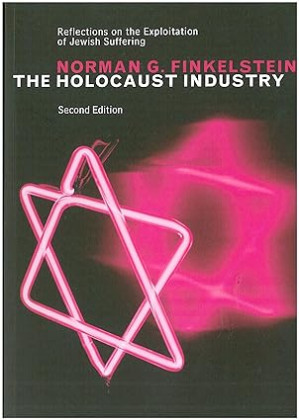
zlib/no-category/芬克尔斯坦/大屠杀工业:对剥削犹太人苦难的反思/The Holocaust Industry: Reflections on the Exploitation of Jewish Suffering (2nd ed. 2003 new Postscript & Appendix)_119897845.epub
大屠杀工业:对剥削犹太人苦难的反思/The Holocaust Industry: Reflections on the Exploitation of Jewish Suffering (2nd ed. 2003 new Postscript & Appendix) 🔍
芬克尔斯坦
Verso Books, 2013
英语 [en] · 中文 [zh] · EPUB · 0.9MB · 2013 · 📗 未知类型的图书 · 🚀/zlib · Save
描述
在一篇颠覆传统且极具争议的研究中,诺曼·芬克尔斯坦从审视大屠杀在美国文化中占据的特殊地位出发,进而对近期的大屠杀赔偿协议展开令人不安的剖析。直到1967年阿以战争期间,以色列显赫的实力使其与美国外交政策保持一致,大屠杀的记忆才开始获得今日享有的非凡地位。美国犹太社区领袖欣喜于以色列被视为重要战略资产,并据芬克尔斯坦所言,他们利用大屠杀来巩固这一新地位。此后他们对这场悲剧的诠释常与实际历史事件相悖,并被用来抵御对以色列及其支持者的任何批评。芬克尔斯坦援引耶日·科辛斯基、本雅明·维尔科米尔斯基等大屠杀欺诈者,以及丹尼尔·戈德哈根等作家的煽动性论述,指出纳粹受害者记忆面临的主要威胁并非来自否认大屠杀者的歪曲,而是来自那些自诩为大屠杀记忆守护者的显赫人士。他援引大量未被发掘的资料,揭露了欧洲各国及合法犹太索赔人遭受的双重敲诈,并断言大屠杀产业已沦为赤裸裸的勒索勾当。这部研究严谨、论证缜密的著作之所以令人不安且震撼,恰因其探讨的议题鲜少被公开讨论。在这部畅销书的震撼性新后记中,诺曼·芬克尔斯坦揭露了大屠杀产业掩盖瑞士银行敲诈丑闻的丑闻,并在新增附录中彻底驳斥了为大屠杀产业辩护的权威论述。
备选标题
The Holocaust Industry: Reflections on the Exploitation of Jewish Suffering, New Edition 2nd Edition
备选作者
Finkelstein, Norman G.
备选作者
Norman G. Finkelstein
备用版本
Penguin Random House LLC (Publisher Services), [S.l.], 2014
备用版本
Lightning Source Inc. (Tier 1), London, 2003
备用版本
United Kingdom and Ireland, United Kingdom
备用版本
2nd pbk. ed, London ; New York, ©2003
备用版本
2nd paperback ed, London, c2003
备用版本
2 Sub edition, September 2003
备用版本
Second Edition, PS, 2003
备用描述
A scathing argument against those who exploit the Holocaust for personal and political gain—by a major figure at the center of the Israel-Palestine debate.“The most controversial book of the year.” —GuardianThis iconoclastic study was one of the most widely debated books of 2000. Finkelstein indicts with both vigor and honesty those who exploit the tragedy of the Holocaust for their own personal political and financial gain. This new edition includes updated material discussing the initial reception to the book's publication. In an iconoclastic and controversial new study, Norman G. Finkelstein moves from an interrogation of the place the Holocaust has come to occupy in American culture to a disturbing examination of recent Holocaust compensation agreements. It was not until the Arab-Israeli War of 1967, when Israel's evident strength brought it into line with US foreign policy, that memory of the Holocaust began to acquire the exceptional prominence it enjoys today. Leaders of America's Jewish community were delighted that Israel was now deemed a major strategic asset and, Finkelstein contends, exploited the Holocaust to enhance this newfound status. Their subsequent interpretations of the tragedy are often at variance with actual historical events and are employed to deflect any criticism of Israel and its supporters. Recalling Holocaust fraudsters such as Jerzy Kosinski and Binjamin Wilkomirski, as well as the demagogic constructions of writers like Daniel Goldhagen, Finkelstein contends that the main danger posed to the memory of Nazism's victims comes not from the distortions of Holocaust deniers but from prominent, self-proclaimed guardians of Holocaust memory. Drawing on a wealth of untapped sources, he exposes the double shakedown of European countries as well as legitimate Jewish claimants, and concludes that the Holocaust industry has become an outright extortion racket. Thoroughly researched and closely argued, The Holocaust Industry is all the more disturbing and powerful because the issues it deals with are so rarely discussed.
备用描述
Controversial indictment of those who exploit the tragedy of the Holocaust for their own gain.
In an iconoclastic and controversial study, Norman G. Finkelstein moves from an interrogation of the place the Holocaust has come to occupy in American culture to a disturbing examination of recent Holocaust compensation agreements. It was not until the Arab-Israeli War of 1967, when Israel's evident strength brought it into line with US foreign policy, that memory of the Holocaust began to acquire the exceptional prominence it enjoys today. Leaders of America's Jewish community were delighted that Israel was now deemed a major strategic asset and, Finkelstein contends, exploited the Holocaust to enhance this newfound status. Their subsequent interpretations of the tragedy are often at variance with actual historical events and are employed to deflect any criticism of Israel and its supporters. Recalling Holocaust fraudsters such as Jerzy Kosinski and Binjamin Wilkomirski, as well as the demagogic constructions of writers like Daniel Goldhagen, Finkelstein contends that the main danger posed to the memory of Nazism's victims comes not from the distortions of Holocaust deniers but from prominent, self-proclaimed guardians of Holocaust memory. Drawing on a wealth of untapped sources, he exposes the double shakedown of European countries as well as legitimate Jewish claimants, and concludes that the Holocaust industry has become an outright extortion racket. Thoroughly researched and closely argued, The Holocaust Industry is all the more disturbing and powerful because the issues it deals with are so rarely discussed.
In a devastating new postscript to this best-selling book, Norman G. Finkelstein documents the Holocaust industry's scandalous cover-up of the blackmail of Swiss banks, and in a new appendix demolishes an influential apologia for the Holocaust industry.
In an iconoclastic and controversial study, Norman G. Finkelstein moves from an interrogation of the place the Holocaust has come to occupy in American culture to a disturbing examination of recent Holocaust compensation agreements. It was not until the Arab-Israeli War of 1967, when Israel's evident strength brought it into line with US foreign policy, that memory of the Holocaust began to acquire the exceptional prominence it enjoys today. Leaders of America's Jewish community were delighted that Israel was now deemed a major strategic asset and, Finkelstein contends, exploited the Holocaust to enhance this newfound status. Their subsequent interpretations of the tragedy are often at variance with actual historical events and are employed to deflect any criticism of Israel and its supporters. Recalling Holocaust fraudsters such as Jerzy Kosinski and Binjamin Wilkomirski, as well as the demagogic constructions of writers like Daniel Goldhagen, Finkelstein contends that the main danger posed to the memory of Nazism's victims comes not from the distortions of Holocaust deniers but from prominent, self-proclaimed guardians of Holocaust memory. Drawing on a wealth of untapped sources, he exposes the double shakedown of European countries as well as legitimate Jewish claimants, and concludes that the Holocaust industry has become an outright extortion racket. Thoroughly researched and closely argued, The Holocaust Industry is all the more disturbing and powerful because the issues it deals with are so rarely discussed.
In a devastating new postscript to this best-selling book, Norman G. Finkelstein documents the Holocaust industry's scandalous cover-up of the blackmail of Swiss banks, and in a new appendix demolishes an influential apologia for the Holocaust industry.
备用描述
<p>It was not until the Arab-Israeli War of 1967, when Israel's evident strength brought it into line with US foreign policy, that memory of the Holocaust began to acquire the exceptional prominence it enjoys today. Leaders of America's Jewish community were delighted that Israel was now deemed a major strategic asset and, Finkelstein contends, exploited the Holocaust to enhance this new-found status. Their subsequent interpretations of the tragedy are often at variance with actual historical events and are employed to deflect any criticism of Israel and its supporters.</p><p>Recalling Holocaust fraudsters such as Jerzy Kosinski and Binjamin Wilkomirski, as well as the demagogic constructions of writers like Daniel Goldhagen, Finkelstein contends that the main danger posed to the memory of Nazism's victims comes not from the distortions of Holocaust deniers but from prominent, self-proclaimed guardians of Holocaust memory. Drawing on a wealth of untapped sources, he exposes the double shakedown of European countries as well as legitimate Jewish claimants, and concludes that the Holocaust industry has become an outright extortion racket. Thoroughly researched and closely argued, <em>The Holocaust Industry</em> is all the more disturbing and powerful because the issues it deals with are so rarely discussed.</p>
备用描述
In his iconoclastic and controversial study, Norman G. Finkelstein moves from an interrogation of the place the Holocaust has come to occupy in global culture to a disturbing examination of Holocaust compensation settlements. It was not until the Arab-Israeli War of 1967, when Israel's evident strength brought it into line with US foreign policy, that memory of the Holocaust began to acquire the exceptional prominence it has today.Recalling Holocaust fraudsters such as Jerzy Kosinski and Binjamin Wilkomirski, as well as the demagogic constructions of writers like Daniel Goldhagen, Finkelstein contends that the main danger posed to the memory of Nazism's victims comes from some of the very people who profess most passionately to defend it. Drawing on a wealth of untapped sources, he exposes the double shakedown of European countries and legitimate Jewish claimants, and concludes that the Holocaust industry has become an outright extortion racket
备用描述
Thoroughly researched, this is a disturbing and powerful argument indicting with rigour and honesty those who exploit the tragedy of the Holocaust for their own personal political and financial gain. This paperback edition contains a new postscript and appendix
备用描述
In a memorable exchange some years back, Gore Vidal accused Norman Podhoretz, then-editor of the American Jewish Committee publication Commentary, of being un-American.
开源日期
2025-10-17
🚀 快速下载
成为会员以支持书籍、论文等的长期保存。为了感谢您对我们的支持,您将获得高速下载权益。❤️
🐢 低速下载
由可信的合作方提供。 更多信息请参见常见问题解答。 (可能需要验证浏览器——无限次下载!)
- 低速服务器(合作方提供) #1 (稍快但需要排队)
- 低速服务器(合作方提供) #2 (稍快但需要排队)
- 低速服务器(合作方提供) #3 (稍快但需要排队)
- 低速服务器(合作方提供) #4 (稍快但需要排队)
- 低速服务器(合作方提供) #5 (无需排队,但可能非常慢)
- 低速服务器(合作方提供) #6 (无需排队,但可能非常慢)
- 低速服务器(合作方提供) #7 (无需排队,但可能非常慢)
- 低速服务器(合作方提供) #8 (无需排队,但可能非常慢)
- 低速服务器(合作方提供) #9 (无需排队,但可能非常慢)
- 下载后: 在我们的查看器中打开
所有选项下载的文件都相同,应该可以安全使用。即使这样,从互联网下载文件时始终要小心。例如,确保您的设备更新及时。
外部下载
-
对于大文件,我们建议使用下载管理器以防止中断。
推荐的下载管理器:JDownloader -
您将需要一个电子书或 PDF 阅读器来打开文件,具体取决于文件格式。
推荐的电子书阅读器:Anna的档案在线查看器、ReadEra和Calibre -
使用在线工具进行格式转换。
推荐的转换工具:CloudConvert和PrintFriendly -
您可以将 PDF 和 EPUB 文件发送到您的 Kindle 或 Kobo 电子阅读器。
推荐的工具:亚马逊的“发送到 Kindle”和djazz 的“发送到 Kobo/Kindle” -
支持作者和图书馆
✍️ 如果您喜欢这个并且能够负担得起,请考虑购买原版,或直接支持作者。
📚 如果您当地的图书馆有这本书,请考虑在那里免费借阅。
下面的文字仅以英文继续。
总下载量:
“文件的MD5”是根据文件内容计算出的哈希值,并且基于该内容具有相当的唯一性。我们这里索引的所有影子图书馆都主要使用MD5来标识文件。
一个文件可能会出现在多个影子图书馆中。有关我们编译的各种数据集的信息,请参见数据集页面。
有关此文件的详细信息,请查看其JSON 文件。 Live/debug JSON version. Live/debug page.