lgli/D:\demonoidsci/Cognitive-Behavioral Treatment of Borderline Personality Disorder/Cognitive-Behavioral Treatment of Borderline Personality Disorder.pdf
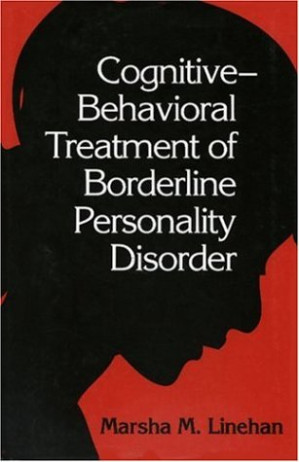
Cognitive-Behavioral Treatment of Borderline Personality Disorder 🔍
Marsha M. Linehan
The Guilford Press, Diagnosis and treatment of mental disorders, 1, 1993
英语 [en] · PDF · 119.9MB · 1993 · 📘 非小说类图书 · 🚀/lgli/lgrs/nexusstc/zlib · Save
描述
This volume is the authoritative presentation of Dialectical Behavior Therapy (DBT), Linehan's comprehensive, integrated approach to treating individuals with borderline personality disorder. DBT--which has since been adapted for other difficult-to-treat disorders involving emotion dysregulation--combines cognitive and behavioral strategies with elements of psychodynamic, strategic, and other modalities. Delineated are specific strategies for contingency management, exposure, cognitive modification, and skills training. In-depth descriptions of skills training procedures are provided in the companion manual. Core emotion regulation skills are also taught directly to clients in Linehan's skills training videos.
备用文件名
lgrsnf/D:\demonoidsci/Cognitive-Behavioral Treatment of Borderline Personality Disorder/Cognitive-Behavioral Treatment of Borderline Personality Disorder.pdf
备用文件名
nexusstc/Cognitive-behavioral treatment of borderline personality disorder/367c5c52ad88c3fbbe950dc6ac6773b0.pdf
备用文件名
zlib/Medicine/Marsha Linehan/Cognitive-Behavioral Treatment of Borderline Personality Disorder_808814.pdf
备选标题
Traitement cognitivo-comportemental du trouble de personnalité état-limite
备选作者
Linehan, Marsha
备用出版商
Editions Médecine & Hygiène
备用出版商
Guilford Publications
备用版本
Diagnosis and treatment of mental disorders, New York, New York State, 1993
备用版本
Guilford Publications Inc., New York, 1993
备用版本
United States, United States of America
备用版本
Genève, France, 2000
备用版本
Illustrated, 1993
备用版本
1, PS, 1993
元数据中的注释
demonoid.me
元数据中的注释
lg384132
元数据中的注释
{"content":{"parsed_at":1714514456,"parser":{"name":"textparser","version":"0.1.129"},"source":{"name":"aquila","version":"6.0.2"}},"edition":"1","isbns":["0898621836","9780898621839"],"last_page":558,"publisher":"Guilford Press","series":"Diagnosis and treatment of mental disorders"}
元数据中的注释
Includes bibliographical references (p. 527-546) and index.
元数据中的注释
Bibliogr.
12
12
备用描述
Theory and Concepts
Borderline Personality Disorder: Concepts, Controversies, and Definitions
The Concept of Borderline Personality Disorder
The Concept of Parasuicidal Behaviors
The Overlap Between Borderline Personality Disorder and Parasuicidal Behavior
Therapy for Borderline Personality Disorder: A Preview
Concluding Comments
Notes
Dialectical and Biosocial Underpinnings of Treatment
Dialectics
Borderline Personality Disorder as Dialectical Failure
Case Conceptualization: A Dialectical Cognitive-Behavioral Approach
Biosocial Theory: A Dialectical Theory of Borderline Personality Disorder Development
Implications of the Biosocial Theory for Therapy with Borderline Patients
Concluding Comments
Notes
Behavioral Patterns: Dialectical Dilemmas in the Treatment of Borderline Patients
Emotional Vulnerability versus Self-Invalidation
Active Passivity versus Apparent Competence
Unrelenting Crises versus Inhibited Grieving
Concluding Comments
Notes
Treatment Overview and Goals
Overview of Treatment: Targets, Strategies, and Assumptions in a Nutshell
Crucial Steps in Treatment
Setting the Stage: Getting the Patient's Attention
Staying Dialectical
Applying Core Strategies: Validation and Problem Solving
Balancing Interpersonal Communication Styles
Combining Consultation-to-the-Patient Strategies with Interventions in the Environment
Treating the Therapist
Modes of Treatment
Individual Outpatient Psychotherapy
Skills Training
Supportive Process Group Therapy
Telephone Consultation
Case Consultation Meetings for Therapists
Ancillary Treatments
Assumptions About Borderline Patients and Therapy
Patients Are Doing the Best They Can
Patients Want to Improve
Patients Need to Do Better, Try Harder, and Be More Motivated to Change
Patients May Not Have Caused All of Their Own Problems, but They Have to Solve Them Anyway
The Lives of Suicidal, Borderline Individuals Are Unbearable as They Are Currently Being Lived
Patients Must Learn New Behaviors in All Relevant Contexts
Patients Cannot Fail in Therapy
Therapists Treating Borderline Patients Need Support
Therapist Characteristics and Skills
Stance of Acceptance versus Change
Stance of Unwavering Centeredness versus Compassionate Flexibility
Stance of Nurturing versus Benevolent Demanding
Agreements of Patients and Therapists
Patient Agreements
Therapist Agreements
Therapist Consultation Agreements
Dialectical Agreement
Consultation-to-the-Patient Agreement
Consistency Agreement
Observing-Limits Agreement
Phenomenological Empathy Agreement
Fallibility Agreement
Concluding Comments
Note
Behavioral Targets in Treatment: Behaviors to Increase and Decrease
The Overall Goal: Increasing Dialectical Behavior Patterns
Dialectical Thinking
Dialectical Thinking and Cognitive Therapy
Dialectical Behavior Patterns: Balanced Lifestyle
Primary Behavioral Targets
Decreasing Suicidal Behaviors
Decreasing Therapy-Interfering Behaviors
Decreasing Behaviors That Interfere with Quality of Life
Increasing Behavioral Skills
Decreasing Behaviors Related to Posttraumatic Stress
Increasing Respect for Self
Secondary Behavioral Targets
Increasing Emotion Modulation; Decreasing Emotional Reactivity
Increasing Self-Validation; Decreasing Self-Invalidation
Increasing Realistic Decision Making and Judgment; Decreasing Crisis-Generating Behaviors
Increasing Emotional Experiencing; Decreasing Inhibited Grieving
Increasing Active Problem Solving; Decreasing Active-Passivity Behaviors
Increasing Accurate Communication of Emotions and Competencies; Decreasing Mood Dependency of Behavior
Concluding Comments
Note
Structuring Treatment Around Target Behaviors: Who Treats What and When
The General Theme: Targeting Dialectical Behaviors
The Hierarchy of Primary Targets
Treatment Targets and Session Agenda
Treatment Targets and Modes of Therapy
The Primary Therapist and Responsibility for Meeting Targets
Progress Toward Targets Over Time
Pretreatment Stage: Orientation and Commitment
Stage 1: Attaining Basic Capacities
Stage 2: Reducing Posttraumatic Stress
Stage 3: Increasing Self-Respect and Achieving Individual Goals
Setting Priorities within Target Classes in Outpatient Individual Therapy
Decreasing Suicidal Behaviors
Decreasing Therapy-Interfering Behaviors
Decreasing Quality-of-Life-Interfering Behaviors
Increasing Behavioral Skills
Reducing Posttraumatic Stress
Increasing Self-Respect and Achieving Individual Goals
Using Target Priorities to Organize Sessions
Patient and Therapist Resistance to Discussing Target Behaviors
Individual Therapy Targets and Diary Cards
Skills Training: Hierarchy of Targets
Supportive Process Groups: Hierarchy of Targets
Telephone Calls: Hierarchy of Targets
Calls to the Primary Therapist
Calls to Skills Trainers and Other Therapists
Target Behaviors and Session Focus: Who Is in Control?
Modification of Target Hierarchies in Other Settings
Responsibility for Decreasing Suicidal Behaviors
Responsibility for Other Targets
Specifying Targets for Other Modes of Treatment
Turf Conflicts with Respect to Target Responsibilities
Concluding Comments
Basic Treatment Strategies
Dialectical Treatment Strategies
Defining Dialectical Strategies
Balancing Treatment Strategies: Dialectics of the Therapeutic Relationship
Teaching Dialectical Behavior Patterns
Specific Dialectical Strategies
Entering the Paradox
The Use of Metaphor
The Devil's Advocate Technique
Extending
Activating 'Wise Mind'
Making Lemonade Out of Lemons
Allowing Natural Change
Dialectical Assessment
Concluding Comments
Notes
Core Strategies: Part I. Validation
Defining Validation
Why Validate?
Emotional Validation Strategies
Providing Opportunities for Emotional Expression
Teaching Emotion Observation and Labeling Skills
Reading Emotions
Communicating the Validity of Emotions
Behavioral Validation Strategies
Teaching Behavior Observation and Labeling Skills
Identifying the 'Should'
Countering the 'Should'
Accepting the 'Should'
Moving to Disappointment
Cognitive Validation Strategies
Eliciting and Reflecting Thoughts and Assumptions
Discriminating Facts from Interpretations
Finding the 'Kernel of Truth'
Acknowledging 'Wise Mind'
Respecting Differing Values
Cheerleading Strategies
Assuming the Best
Providing Encouragement
Focusing on the Patient's Capabilities
Contradicting/Modulating External Criticism
Providing Praise and Reassurance
Being Realistic, but Dealing Directly with Fears of Insincerity
Staying Near
Concluding Comments
Core Strategies: Part II. Problem Solving
Levels of Problem Solving
First Level
Second Level
Third Level
Mood and Problem Solving
Overview of Problem-Solving Strategies
Behavioral Analysis Strategies
Defining the Problem Behavior
Conducting a Chain Analysis
Generating Hypotheses about Factors Controlling Behavior
Insight (Interpretation) Strategies
What and How to Interpret: Guidelines for Insight
Highlighting
Observing and Describing Recurrent Patterns
Commenting on Implications of Behavior
Assessing Difficulties in Accepting or Rejecting Hypotheses
Didactic Strategies
Providing Information
Giving Reading Materials
Giving Information to Family Members
Solution Analysis Strategies
Identifying Goals, Needs, and Desires
Generating Solutions
Evaluating Solutions
Choosing a Solution to Implement
Troubleshooting the Solution
Orienting Strategies
Providing Role Induction
Rehearsing New Expectations
Commitment Strategies
Levels of Commitment
Commitment and Recommitment
The Need for Flexibility
Selling Commitment: Evaluating the Pros and Cons
Playing the Devil's Advocate
'Foot-in-the-Door' and 'Door-in-the-Face' Techniques
Connecting Present Commitments to Prior Commitments
Highlighting Freedom to Choose and Absence of Alternatives
Using Principles of Shaping
Generating Hope: Cheerleading
Agreeing on Homework
Concluding Comments
Change Procedures: Part I. Contingency Procedures (Managing Contingencies and Observing Limits)
The Rationale for Contingency Procedures
The Distinction Between Managing Contingencies and Observing Limits
The Therapeutic Relationship as Contingency
Contingency Management Procedures
Orienting to Contingency Management: Task Overview
Reinforcing Target-Relevant Adaptive Behaviors
Extinguishing Target-Relevant Maladaptive Behaviors
Using Aversive Consequences ... with Care
Determining the Potency of Consequences
Using Natural Over Arbitrary Consequences
Principles of Shaping
Observing-Limits Procedures
Rationale for Observing Limits
Natural versus Arbitrary Limits
Monitoring Limits
Being Honest About Limits
Temporarily Extending Limits When Needed
Being Consistently Firm
Combining Soothing, Validating, and Problem Solving with Observing Limits
Difficult Areas for Observing Limits with Borderline Patients
Concluding Comments
Change Procedures: Part II. Skills Training, Exposure, Cognitive Modification
Skills Training Procedures
Orienting and Committing to Skills Training: Task Overview
Skill Acquisition Procedures
Skill Strengthening Procedures
Skill Generalization Procedures
Exposure-Based Procedures
Orienting and Commitment to Exposure: Task Overview
Providing Nonreinforced Exposure
Blocking Action Tendencies Associated with Problem Emotions
Blocking Expressive Tendencies Associated with Problem Emotions
Enhancing Control Over Aversive Events
Structured Exposure Procedures
Cognitive Modification Procedures
Orienting to Cognitive Modification Procedures
Contingency Clarification Procedures
Cognitive Restructuring Procedures
Concluding Comments
Note
Stylistic Strategies: Balancing Communication
Reciprocal Communication Strategies
Power and Psychotherapy: Who Makes the Rules?
Responsiveness
Self-Disclosure
Warm Engagement
Genuineness
The Need for Therapist Invulnerability
Irreverent Communication Strategies
Dialectical Strategies and Irreverence
Reframing in an Unorthodox Manner
Plunging in Where Angels Fear to Tread
Using a Confrontational Tone
Calling the Patient's Bluff
Oscillating Intensity and Using Silence
Expressing Omnipotence and Impotence
Concluding Comments
Note
Case Management Strategies: Interacting with the Community
Environmental Intervention Strategies
Case Management and Observing Limits
Providing Information Independently of the Patient
Patient Advocacy
Entering the Patient's Environment to Give Her Assistance
Consultation-to-the-Patient Strategies
Rationale and Spirit of Consultation to the Patient
The 'Treatment Team' versus 'Everyone Else'
Orienting the Patient and the Network to the Approach
Consultation to the Patient about How to Manage Other Professionals
Consultation to the Patient about How to Handle Family and Friends
Arguments Against the Consultation Approach
Therapist Supervision/Consultation Strategies
The Need for Supervision/Consultation
Meeting to Confer on Treatment
Keeping Supervision/Consultation Agreements
Cheerleading
Providing Dialectical Balance
Working Out Problems of 'Staff Splitting'
Dealing with Unethical or Destructive Therapist Behavior
Keeping Information Confidential
Concluding Comments
Strategies for Specific Tasks
Structural Strategies
Contracting Strategies: Starting Treatment
Conducting a Diagnostic Assessment
Presenting the Biosocial Theory of Borderline Behavior
Orienting the Patient to Treatment
Orienting the Network to Treatment
Reviewing Treatment Agreements and Limits
Committing to Therapy
Conducting Analyses of Major Target Behaviors
Beginning to Develop the Therapeutic Relationship
Caveats in the Real World
Session-Beginning Strategies
Greeting the Patient
Recognizing the Patient's Current Emotional State
Repairing the Relationship
Targeting Strategies
Reviewing Target Behaviors Since the Last Session
Using Target Priorities to Organize Sessions
Attending to Stages of Therapy
Checking Progress in Other Modes of Therapy
Session-Ending Strategies
Providing Sufficient Time for Closure
Agreeing on Homework for the Coming Week
Summarizing the Session
Giving the Patient a Tape of the Session
Cheerleading
Soothing and Reassuring the Patient
Troubleshooting
Developing Ending Rituals
Terminating Strategies
Beginning Discussion of Terminating: Tapering Off Sessions
Generalizing Interpersonal Reliance to the Social Network
Actively Planning for Termination
Making Appropriate Referrals
Concluding Comments
Special Treatment Strategies
Crisis Strategies
Paying Attention to Affect Rather Than Content
Exploring the Problem Now
Focusing on Problem Solving
Focusing on Affect Tolerance
Obtaining Commitment to a Plan of Action
Assessing Suicide Potential
Anticipating a Recurrence of the Crisis Response
Suicidal Behavior Strategies
The Therapeutic Task
Previous Suicidal Behaviors: Protocol for the Primary Therapist
Threats of Imminent Suicide or Parasuicide: Protocol for the Primary Therapist
Ongoing Parasuicidal Act: Protocol for the Primary Therapist
Suicidal Behaviors: Protocol for Collateral Therapists
Principles of Risk Management with Suicidal Patients
Therapy-Interfering Behavior Strategies
Defining the Interfering Behavior
Conducting a Chain Analysis of the Behavior
Adopting a Problem-Solving Plan
Responding to the Patient Who Refuses to Modify Interfering Behavior
Telephone Strategies
Accepting Patient-Initiated Phone Calls Under Certain Conditions
Scheduling Patient-Initiated Phone Calls
Initiating Therapist Phone Contacts
Giving Feedback About Phone Call Behavior During Sessions
Therapist Availability and Management of Suicidal Risk
Ancillary Treatment Strategies
Recommending Ancillary Treatment When Needed
Recommending Outside Consultation for the Patient
Medication Protocol
Hospital Protocol
Relationship Strategies
Relationship Acceptance
Relationship Problem Solving
Relationship Generalization
Concluding Comments
Scale Points for Lethality Assessment
Note
Appendix: Suggested Reading
References
Index
Borderline Personality Disorder: Concepts, Controversies, and Definitions
The Concept of Borderline Personality Disorder
The Concept of Parasuicidal Behaviors
The Overlap Between Borderline Personality Disorder and Parasuicidal Behavior
Therapy for Borderline Personality Disorder: A Preview
Concluding Comments
Notes
Dialectical and Biosocial Underpinnings of Treatment
Dialectics
Borderline Personality Disorder as Dialectical Failure
Case Conceptualization: A Dialectical Cognitive-Behavioral Approach
Biosocial Theory: A Dialectical Theory of Borderline Personality Disorder Development
Implications of the Biosocial Theory for Therapy with Borderline Patients
Concluding Comments
Notes
Behavioral Patterns: Dialectical Dilemmas in the Treatment of Borderline Patients
Emotional Vulnerability versus Self-Invalidation
Active Passivity versus Apparent Competence
Unrelenting Crises versus Inhibited Grieving
Concluding Comments
Notes
Treatment Overview and Goals
Overview of Treatment: Targets, Strategies, and Assumptions in a Nutshell
Crucial Steps in Treatment
Setting the Stage: Getting the Patient's Attention
Staying Dialectical
Applying Core Strategies: Validation and Problem Solving
Balancing Interpersonal Communication Styles
Combining Consultation-to-the-Patient Strategies with Interventions in the Environment
Treating the Therapist
Modes of Treatment
Individual Outpatient Psychotherapy
Skills Training
Supportive Process Group Therapy
Telephone Consultation
Case Consultation Meetings for Therapists
Ancillary Treatments
Assumptions About Borderline Patients and Therapy
Patients Are Doing the Best They Can
Patients Want to Improve
Patients Need to Do Better, Try Harder, and Be More Motivated to Change
Patients May Not Have Caused All of Their Own Problems, but They Have to Solve Them Anyway
The Lives of Suicidal, Borderline Individuals Are Unbearable as They Are Currently Being Lived
Patients Must Learn New Behaviors in All Relevant Contexts
Patients Cannot Fail in Therapy
Therapists Treating Borderline Patients Need Support
Therapist Characteristics and Skills
Stance of Acceptance versus Change
Stance of Unwavering Centeredness versus Compassionate Flexibility
Stance of Nurturing versus Benevolent Demanding
Agreements of Patients and Therapists
Patient Agreements
Therapist Agreements
Therapist Consultation Agreements
Dialectical Agreement
Consultation-to-the-Patient Agreement
Consistency Agreement
Observing-Limits Agreement
Phenomenological Empathy Agreement
Fallibility Agreement
Concluding Comments
Note
Behavioral Targets in Treatment: Behaviors to Increase and Decrease
The Overall Goal: Increasing Dialectical Behavior Patterns
Dialectical Thinking
Dialectical Thinking and Cognitive Therapy
Dialectical Behavior Patterns: Balanced Lifestyle
Primary Behavioral Targets
Decreasing Suicidal Behaviors
Decreasing Therapy-Interfering Behaviors
Decreasing Behaviors That Interfere with Quality of Life
Increasing Behavioral Skills
Decreasing Behaviors Related to Posttraumatic Stress
Increasing Respect for Self
Secondary Behavioral Targets
Increasing Emotion Modulation; Decreasing Emotional Reactivity
Increasing Self-Validation; Decreasing Self-Invalidation
Increasing Realistic Decision Making and Judgment; Decreasing Crisis-Generating Behaviors
Increasing Emotional Experiencing; Decreasing Inhibited Grieving
Increasing Active Problem Solving; Decreasing Active-Passivity Behaviors
Increasing Accurate Communication of Emotions and Competencies; Decreasing Mood Dependency of Behavior
Concluding Comments
Note
Structuring Treatment Around Target Behaviors: Who Treats What and When
The General Theme: Targeting Dialectical Behaviors
The Hierarchy of Primary Targets
Treatment Targets and Session Agenda
Treatment Targets and Modes of Therapy
The Primary Therapist and Responsibility for Meeting Targets
Progress Toward Targets Over Time
Pretreatment Stage: Orientation and Commitment
Stage 1: Attaining Basic Capacities
Stage 2: Reducing Posttraumatic Stress
Stage 3: Increasing Self-Respect and Achieving Individual Goals
Setting Priorities within Target Classes in Outpatient Individual Therapy
Decreasing Suicidal Behaviors
Decreasing Therapy-Interfering Behaviors
Decreasing Quality-of-Life-Interfering Behaviors
Increasing Behavioral Skills
Reducing Posttraumatic Stress
Increasing Self-Respect and Achieving Individual Goals
Using Target Priorities to Organize Sessions
Patient and Therapist Resistance to Discussing Target Behaviors
Individual Therapy Targets and Diary Cards
Skills Training: Hierarchy of Targets
Supportive Process Groups: Hierarchy of Targets
Telephone Calls: Hierarchy of Targets
Calls to the Primary Therapist
Calls to Skills Trainers and Other Therapists
Target Behaviors and Session Focus: Who Is in Control?
Modification of Target Hierarchies in Other Settings
Responsibility for Decreasing Suicidal Behaviors
Responsibility for Other Targets
Specifying Targets for Other Modes of Treatment
Turf Conflicts with Respect to Target Responsibilities
Concluding Comments
Basic Treatment Strategies
Dialectical Treatment Strategies
Defining Dialectical Strategies
Balancing Treatment Strategies: Dialectics of the Therapeutic Relationship
Teaching Dialectical Behavior Patterns
Specific Dialectical Strategies
Entering the Paradox
The Use of Metaphor
The Devil's Advocate Technique
Extending
Activating 'Wise Mind'
Making Lemonade Out of Lemons
Allowing Natural Change
Dialectical Assessment
Concluding Comments
Notes
Core Strategies: Part I. Validation
Defining Validation
Why Validate?
Emotional Validation Strategies
Providing Opportunities for Emotional Expression
Teaching Emotion Observation and Labeling Skills
Reading Emotions
Communicating the Validity of Emotions
Behavioral Validation Strategies
Teaching Behavior Observation and Labeling Skills
Identifying the 'Should'
Countering the 'Should'
Accepting the 'Should'
Moving to Disappointment
Cognitive Validation Strategies
Eliciting and Reflecting Thoughts and Assumptions
Discriminating Facts from Interpretations
Finding the 'Kernel of Truth'
Acknowledging 'Wise Mind'
Respecting Differing Values
Cheerleading Strategies
Assuming the Best
Providing Encouragement
Focusing on the Patient's Capabilities
Contradicting/Modulating External Criticism
Providing Praise and Reassurance
Being Realistic, but Dealing Directly with Fears of Insincerity
Staying Near
Concluding Comments
Core Strategies: Part II. Problem Solving
Levels of Problem Solving
First Level
Second Level
Third Level
Mood and Problem Solving
Overview of Problem-Solving Strategies
Behavioral Analysis Strategies
Defining the Problem Behavior
Conducting a Chain Analysis
Generating Hypotheses about Factors Controlling Behavior
Insight (Interpretation) Strategies
What and How to Interpret: Guidelines for Insight
Highlighting
Observing and Describing Recurrent Patterns
Commenting on Implications of Behavior
Assessing Difficulties in Accepting or Rejecting Hypotheses
Didactic Strategies
Providing Information
Giving Reading Materials
Giving Information to Family Members
Solution Analysis Strategies
Identifying Goals, Needs, and Desires
Generating Solutions
Evaluating Solutions
Choosing a Solution to Implement
Troubleshooting the Solution
Orienting Strategies
Providing Role Induction
Rehearsing New Expectations
Commitment Strategies
Levels of Commitment
Commitment and Recommitment
The Need for Flexibility
Selling Commitment: Evaluating the Pros and Cons
Playing the Devil's Advocate
'Foot-in-the-Door' and 'Door-in-the-Face' Techniques
Connecting Present Commitments to Prior Commitments
Highlighting Freedom to Choose and Absence of Alternatives
Using Principles of Shaping
Generating Hope: Cheerleading
Agreeing on Homework
Concluding Comments
Change Procedures: Part I. Contingency Procedures (Managing Contingencies and Observing Limits)
The Rationale for Contingency Procedures
The Distinction Between Managing Contingencies and Observing Limits
The Therapeutic Relationship as Contingency
Contingency Management Procedures
Orienting to Contingency Management: Task Overview
Reinforcing Target-Relevant Adaptive Behaviors
Extinguishing Target-Relevant Maladaptive Behaviors
Using Aversive Consequences ... with Care
Determining the Potency of Consequences
Using Natural Over Arbitrary Consequences
Principles of Shaping
Observing-Limits Procedures
Rationale for Observing Limits
Natural versus Arbitrary Limits
Monitoring Limits
Being Honest About Limits
Temporarily Extending Limits When Needed
Being Consistently Firm
Combining Soothing, Validating, and Problem Solving with Observing Limits
Difficult Areas for Observing Limits with Borderline Patients
Concluding Comments
Change Procedures: Part II. Skills Training, Exposure, Cognitive Modification
Skills Training Procedures
Orienting and Committing to Skills Training: Task Overview
Skill Acquisition Procedures
Skill Strengthening Procedures
Skill Generalization Procedures
Exposure-Based Procedures
Orienting and Commitment to Exposure: Task Overview
Providing Nonreinforced Exposure
Blocking Action Tendencies Associated with Problem Emotions
Blocking Expressive Tendencies Associated with Problem Emotions
Enhancing Control Over Aversive Events
Structured Exposure Procedures
Cognitive Modification Procedures
Orienting to Cognitive Modification Procedures
Contingency Clarification Procedures
Cognitive Restructuring Procedures
Concluding Comments
Note
Stylistic Strategies: Balancing Communication
Reciprocal Communication Strategies
Power and Psychotherapy: Who Makes the Rules?
Responsiveness
Self-Disclosure
Warm Engagement
Genuineness
The Need for Therapist Invulnerability
Irreverent Communication Strategies
Dialectical Strategies and Irreverence
Reframing in an Unorthodox Manner
Plunging in Where Angels Fear to Tread
Using a Confrontational Tone
Calling the Patient's Bluff
Oscillating Intensity and Using Silence
Expressing Omnipotence and Impotence
Concluding Comments
Note
Case Management Strategies: Interacting with the Community
Environmental Intervention Strategies
Case Management and Observing Limits
Providing Information Independently of the Patient
Patient Advocacy
Entering the Patient's Environment to Give Her Assistance
Consultation-to-the-Patient Strategies
Rationale and Spirit of Consultation to the Patient
The 'Treatment Team' versus 'Everyone Else'
Orienting the Patient and the Network to the Approach
Consultation to the Patient about How to Manage Other Professionals
Consultation to the Patient about How to Handle Family and Friends
Arguments Against the Consultation Approach
Therapist Supervision/Consultation Strategies
The Need for Supervision/Consultation
Meeting to Confer on Treatment
Keeping Supervision/Consultation Agreements
Cheerleading
Providing Dialectical Balance
Working Out Problems of 'Staff Splitting'
Dealing with Unethical or Destructive Therapist Behavior
Keeping Information Confidential
Concluding Comments
Strategies for Specific Tasks
Structural Strategies
Contracting Strategies: Starting Treatment
Conducting a Diagnostic Assessment
Presenting the Biosocial Theory of Borderline Behavior
Orienting the Patient to Treatment
Orienting the Network to Treatment
Reviewing Treatment Agreements and Limits
Committing to Therapy
Conducting Analyses of Major Target Behaviors
Beginning to Develop the Therapeutic Relationship
Caveats in the Real World
Session-Beginning Strategies
Greeting the Patient
Recognizing the Patient's Current Emotional State
Repairing the Relationship
Targeting Strategies
Reviewing Target Behaviors Since the Last Session
Using Target Priorities to Organize Sessions
Attending to Stages of Therapy
Checking Progress in Other Modes of Therapy
Session-Ending Strategies
Providing Sufficient Time for Closure
Agreeing on Homework for the Coming Week
Summarizing the Session
Giving the Patient a Tape of the Session
Cheerleading
Soothing and Reassuring the Patient
Troubleshooting
Developing Ending Rituals
Terminating Strategies
Beginning Discussion of Terminating: Tapering Off Sessions
Generalizing Interpersonal Reliance to the Social Network
Actively Planning for Termination
Making Appropriate Referrals
Concluding Comments
Special Treatment Strategies
Crisis Strategies
Paying Attention to Affect Rather Than Content
Exploring the Problem Now
Focusing on Problem Solving
Focusing on Affect Tolerance
Obtaining Commitment to a Plan of Action
Assessing Suicide Potential
Anticipating a Recurrence of the Crisis Response
Suicidal Behavior Strategies
The Therapeutic Task
Previous Suicidal Behaviors: Protocol for the Primary Therapist
Threats of Imminent Suicide or Parasuicide: Protocol for the Primary Therapist
Ongoing Parasuicidal Act: Protocol for the Primary Therapist
Suicidal Behaviors: Protocol for Collateral Therapists
Principles of Risk Management with Suicidal Patients
Therapy-Interfering Behavior Strategies
Defining the Interfering Behavior
Conducting a Chain Analysis of the Behavior
Adopting a Problem-Solving Plan
Responding to the Patient Who Refuses to Modify Interfering Behavior
Telephone Strategies
Accepting Patient-Initiated Phone Calls Under Certain Conditions
Scheduling Patient-Initiated Phone Calls
Initiating Therapist Phone Contacts
Giving Feedback About Phone Call Behavior During Sessions
Therapist Availability and Management of Suicidal Risk
Ancillary Treatment Strategies
Recommending Ancillary Treatment When Needed
Recommending Outside Consultation for the Patient
Medication Protocol
Hospital Protocol
Relationship Strategies
Relationship Acceptance
Relationship Problem Solving
Relationship Generalization
Concluding Comments
Scale Points for Lethality Assessment
Note
Appendix: Suggested Reading
References
Index
备用描述
For The Average Clinician, Clinic, Or Inpatient Facility, Individuals With Borderline Personality Disorder Often Represent The Most Difficult And Insoluble Cases. The First Volume To Provide Strategies Proven Effective In Controlled Clinical Trials, This Book Is A Comprehensive, Integrated Approach To Therapy With This Population. Marsha Linehan Presents Specific Guidelines That Creatively Combine The Best Elements Of Behavioral, Psychoanalytic, Strategic, And Other Commonly Employed Modalities. A Clinical Innovator, She Has Analyzed The Aspects Of Borderline Into Their Component Parts And Developed A Systematized Approach To Each Of Them. The First Section Of The Book Presents An Overview Of The Disorder And Lays Out A Theoretical Framework To Guide The Therapy. The Second Describes In Detail How To Assess Borderline Patients And How To Organize And Prioritize Treatment Goals And Behavioral Targets.^ The Core Of The Treatment Is The Balance Of Acceptance And Change Strategies, Both Within Each Therapy Interaction And Over Time. For Problem Solving With Borderline Personality Disorder, The Book Provides Specific Strategies For Contingency Management, Exposure, Cognitive Modification, And Skills Training. The Last Component Is Further Elucidated In The Companion Skills Training Manual, Which Programmatically Details Procedures And Includes Client Handouts For Step-by-step Implementation. Finally, To Enhance Interpersonal Communication, Dr. Linehan Presents Three Case Management Sets: Consultation To The Patient, Environmental Intervention, And Consultation To The Therapist. Addressing The Most Stressful Patient Behaviors That Clinicians Encounter, The Book Includes A Step-by-step Outline For Assessing Suicide Risk, Managing Suicide Threats, And Working With Chronic Suicidal Behavior.^ Integrative Approaches For Such Specific Problems As Crises, Noncompliance, And Breakdowns In The Therapeutic Relationship Are Also Discussed. Lucidly Detailing Effective Techniques That Can Be Replicated In Clinical Practice, This Volume Illuminates The Internal Experience Of Borderline Individuals And Provides Clinicians With Practical Clinical Tools For Working With Them. As Such, It Is An Invaluable Resource For All Professionals Who Work With This Difficult-to-treat Population. Borderline Personality Disorder: Concepts, Controversies, And Definitions -- Dialectical And Biosocial Underpinnings Of Treatment -- Behavioral Patterns: Dialectical Dilemmas In The Treatment Of Borderline Patients -- Overview Of Treatment: Targets, Strategies, And Assumptions In A Nutshell -- Behavioral Targets In Treatment: Behaviors To Increase And Decrease -- Structuring Treatment Around Target Behaviors: Who Treats What And When -- Dialectical Treatment Strategies -- Core Strategies: Part I. Validation -- Core Strategies: Part Ii. Problem Solving -- Change Procedures: Part I. Contingency Procedures (managing Contingencies And Observing Limits) -- Change Procedures: Part Ii. Skills Training, Exposure, Cognitive Modification -- Stylistic Strategies: Balancing Communication -- Case Management Strategies: Interacting With The Community -- Structural Strategies -- Special Treatment Strategies. Marsha M. Linehan. Includes Bibliographical References (p. 527-546) And Index.
备用描述
For the average clinician, individuals with borderline personality disorder (BPD) often represent the most challenging, seemingly insoluble cases. This volume is the authoritative presentation of dialectical behavior therapy (DBT), Marsha M. Linehan's comprehensive, integrated approach to treating individuals with BPD. DBT was the first psychotherapy shown in controlled trials to be effective with BPD. It has since been adapted and tested for a wide range of other difficult-to-treat disorders involving emotion dysregulation. While focusing on BPD, this book is essential reading for clinicians delivering DBT to any clients with complex, multiple problems.
Companion volumes: The latest developments in DBT skills training, together with essential materials for teaching the full range of mindfulness, interpersonal effectiveness, emotion regulation, and distress tolerance skills, are presented in Linehan's DBT Skills Training Manual, Second Edition , and DBT Skills Training Handouts and Worksheets, Second Edition . Also available: Linehan's instructive skills training videos for clients-- Crisis Survival Skills: Part One, Crisis Survival Skills: Part Two , From Suffering to Freedom , This One Moment , and Opposite Action .
Companion volumes: The latest developments in DBT skills training, together with essential materials for teaching the full range of mindfulness, interpersonal effectiveness, emotion regulation, and distress tolerance skills, are presented in Linehan's DBT Skills Training Manual, Second Edition , and DBT Skills Training Handouts and Worksheets, Second Edition . Also available: Linehan's instructive skills training videos for clients-- Crisis Survival Skills: Part One, Crisis Survival Skills: Part Two , From Suffering to Freedom , This One Moment , and Opposite Action .
备用描述
La thérapie comportementale dialectique (TCD) développée par Marsha M. Linehan est un programme de prise en charge et de traitement du trouble de personnalité état-limite (TPE) dont l'efficacité et la pertinence ont été confirmées au travers de plusieurs études contrôlées. L'originalité de la TCD repose sur une conception bio-psycho-sociale du TPE et sur une prise en charge utilisant différents contextes (individuel, groupal, téléphonique) et différentes orientations thérapeutiques et philosophiques : comportementale, cognitive, centrée sur la personne, systémique, psychanalytique et bouddhiste Zen
开源日期
2011-04-11
🚀 快速下载
成为会员以支持书籍、论文等的长期保存。为了感谢您对我们的支持,您将获得高速下载权益。❤️
🐢 低速下载
由可信的合作方提供。 更多信息请参见常见问题解答。 (可能需要验证浏览器——无限次下载!)
- 低速服务器(合作方提供) #1 (稍快但需要排队)
- 低速服务器(合作方提供) #2 (稍快但需要排队)
- 低速服务器(合作方提供) #3 (稍快但需要排队)
- 低速服务器(合作方提供) #4 (稍快但需要排队)
- 低速服务器(合作方提供) #5 (无需排队,但可能非常慢)
- 低速服务器(合作方提供) #6 (无需排队,但可能非常慢)
- 低速服务器(合作方提供) #7 (无需排队,但可能非常慢)
- 低速服务器(合作方提供) #8 (无需排队,但可能非常慢)
- 低速服务器(合作方提供) #9 (无需排队,但可能非常慢)
- 下载后: 在我们的查看器中打开
外部下载
-
对于大文件,我们建议使用下载管理器以防止中断。
推荐的下载管理器:JDownloader -
您将需要一个电子书或 PDF 阅读器来打开文件,具体取决于文件格式。
推荐的电子书阅读器:Anna的档案在线查看器、ReadEra和Calibre -
使用在线工具进行格式转换。
推荐的转换工具:CloudConvert和PrintFriendly -
您可以将 PDF 和 EPUB 文件发送到您的 Kindle 或 Kobo 电子阅读器。
推荐的工具:亚马逊的“发送到 Kindle”和djazz 的“发送到 Kobo/Kindle” -
支持作者和图书馆
✍️ 如果您喜欢这个并且能够负担得起,请考虑购买原版,或直接支持作者。
📚 如果您当地的图书馆有这本书,请考虑在那里免费借阅。
下面的文字仅以英文继续。
总下载量:
“文件的MD5”是根据文件内容计算出的哈希值,并且基于该内容具有相当的唯一性。我们这里索引的所有影子图书馆都主要使用MD5来标识文件。
一个文件可能会出现在多个影子图书馆中。有关我们编译的各种数据集的信息,请参见数据集页面。
有关此文件的详细信息,请查看其JSON 文件。 Live/debug JSON version. Live/debug page.