nexusstc/The Transformative Power of Literature and Narrative: Promoting Positive Change/61f5e6cd08c4337ef3bc99d028a7c624.pdf
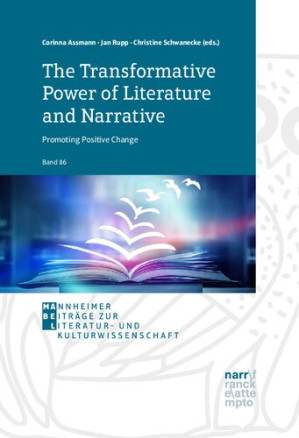
The transformative power of literature and narrative : promoting positive change : a conceptual volume in honour of Vera Nünning 🔍
Corinna Assmann (editor), Jan Rupp (editor), Christine Schwanecke (editor)
Narr Francke Attempto Verlag GmbH & Co. KG, Mannheimer Beiträge zur Literatur- und Kulturwissenschaft, Book 86, 2023
英语 [en] · PDF · 1.9MB · 2023 · 📘 非小说类图书 · 🚀/lgli/lgrs/nexusstc/zlib · Save
描述
Narrative plays a central role for individual and collective lives - this insight has arguably only grown at a time of multiple social and cultural challenges in the 21st century. The present volume aims to actualize and further substantiate the case for literature and narrative, taking inspiration from Vera Nünning's eminent scholarship over the past decades. Engaging with her formative interdisciplinary work, the volume seeks to explore potentials of change through the transformative power of literature and narrative - to be harnessed by individuals and groups as agents of positive change in today's world. The book is located at the intersection of cognitive and cultural narratology and is concerned with the way literature affects individuals, how it works at an intersubjective level, enabling communication and community, and how it furthers social and cultural change.
Erscheinungsdatum: 16.01.2023
Erscheinungsdatum: 16.01.2023
备用文件名
lgli/The Transformative Power of Literature and - Corinna Assmann, Jan Rupp, Christine Schwa.pdf
备用文件名
lgrsnf/The Transformative Power of Literature and - Corinna Assmann, Jan Rupp, Christine Schwa.pdf
备用文件名
zlib/no-category/Corinna Assmann (editor), Jan Rupp (editor), Christine Schwanecke (editor)/The Transformative Power of Literature and Narrative: Promoting Positive Change (A Conceptual Volume in Honour of Vera Nünning)_24703031.pdf
备选作者
Corinna Assmann; Jan Rupp; Christine Schwanecke; Vera Nünning; Narr Francke Attempto Verlag
备用版本
Mannheimer Beiträge zur Sprach- und Literaturwissenschaft, 86, 1. Auflage, Tübingen, 2022
备用版本
Mannheimer Beiträge zur Sprach- und Literaturwissenschaft, Tübingen, 2023
备用版本
A Conceptual Volume in Honour of Vera Nünning, 2023
备用版本
Germany, Germany
元数据中的注释
{"isbns":["3823385739","9783823385738"],"publisher":"Narr Francke Attempto Verlag","series":"A Conceptual Volume in Honour of Vera Nünning"}
备用描述
Contents
Foreword
Introduction
I. Literature Affecting Lives at an Individual Level
Haiku and Healing
1. Introduction: Literature and Narrative in/of Pandemic Times
2. Essential Work: Salutogenesis and the Value of Literature and Narrative for Life
3. Writing as Control and Coherence in Disruptive Times: The Coronavirus Essay
4. Haiku and Healing: Poetry and Miniature Stories as Pandemic Relief
5. Conclusion
Bibliography
Primary Literature
Secondary Literature
‘Not form which you see, but emotion which you feel’
1. Introduction: Reading Feelings
2. Hyperempathy and Survival in Post-Apocalyptic California: Octavia Butler’s Earthseed Parables
3. Parables for Our Time? Reading Lauren Oya Olamina Today
4. Conclusion
Bibliography
Primary Sources
Secondary Sources
Narrating the Pandemic
1. Introducing a Paradox: Writing about Largescale Deadly Disease, Fostering Well-Being, and Health?
2. From Sociology to Literature: Reframing the Travelling Concept of ‘Salutogenesis’ for Narrative Studies
3. How ‘Storytelling’ and ‘Emplotment’ Determine our Health: Focusing on Survival and Staying Sane by Recounting Stories Seen and Heard
4. A Journal of the Plague Year as Literary Plague Prophylaxis: Simulating Pandemic Experience and Passing Down Pandemic Knowledge to New Generations
5. Conclusion
Bibliography
Primary Sources
Secondary Sources
Can Literature Heal?
1. Can Literature Heal? Between Reading and Writing
2. Why and for what do Writers write? A Typology of Motivational Purposes for Fiction Writing
3. Therapeutic Dimensions of Writing: Bibliotherapy and Beyond
4. Authors and Mental Health: Therapeutic Writing from Virginia Woolf to Amanda Gorman
5. Conclusion
Bibliography
Primary Sources
Secondary Sources
II. Literature and Positive Change at an Intersubjective Level
Reflections of ‘Togetherness’ and a Co-Narrating Community in Fictional ‘We’-Narratives
1. Introduction: A Constructive Approach to the First-Person-Plural Narration
2. A Brief Outline of Current Research on ‘We’-Narratives
3. Conceptualizing ‘We-Narratives’ as Co-Narrations
4. The Buddha in the Attic: A Communal Narrative of Co-Shared Experience
5. Shared Story Spaces: The Boat – ‘Home’ – ‘The Edges of their Towns’ – The Unknown ‘Safe Place’
6. Two Different Cultures Co-Sharing the Discursive Space
7. Conclusion
Bibliography
Primary Sources
Secondary Sources
Reading Unreliable Narration
1. Unreliable Narration and Empathy
2. The Murder of Roger Ackroyd
3. The Remains of the Day
4. Notes on a Scandal
5. Conclusion
Bibliography
Primary Sources
Secondary Sources
Promoting Empathy in ‘Generation Me’
1. Introduction: The Power of Literature
2. The Didactic Potential of Unreliable Narration in Conjunction with Mental Health
3. Discussing Mental Illness and Unreliability in the EFL Classroom: Pathological Narcissism in Gone Girl
4. Conclusion
Bibliography
Primary Sources
Secondary Sources
Renouncers, Rumours, and ‘Beyond-the-Pales’
1. Worldmaking, Self-Making, and the ‘Dark Sides’ of Narrative
2. Social Hierarchies, Binaries, and the Repressive City
3. Strategies of Dissociation and the Fetishization of Objects
4. Language Games and the Subversion of Monolithic Truth
5. Conclusion
Bibliography
Primary Sources
Secondary Sources
III. Narratives Promoting Social and Cultural Change
Positive Change in Crime Fiction
1. Introduction: Rebuilding Crime Fiction, Tackling Social Problems
2. Progressive Gender Formations
3. Racial Diversity and Politics
4. Queering the Detective Novel: Identity as Mystery
5. Conclusion
Bibliography
Primary Sources
Secondary Sources
Maps and Narrative
1. Introduction: Perspective-Taking and Spatial Positioning
2. Perspectivity in Cartography and Narrative
3. Mapping History and Memory in Kartography
4. Displacement, Disorientation, and Loss in Maps for Lost Lovers
5. Conclusion
Bibliography
Primary Literature
Secondary Literature
‘United in Positive Intention’
1. The Importance of (Self-Transcendence) Values in Literature
2. The Representation of Values in Fictional Crisis Narratives
3. Lincoln in the Bardo as a Fictional Crisis Narrative
4. Structural Elements in Lincoln in the Bardo: Setting, Characters, and Polyphonic Narration
5. Prioritizing Self-Transcendence Values in Lincoln in the Bardo
6. Self-Transcendence as a Solution to the Crises of Lincoln in the Bardo
7. Conclusion
Bibliography
Primary Sources
Secondary Sources
Optimism in the Anthropocene
1. A Climate of Hope
2. Empathy, Hope, and Positive Change
3. Butterfly Beacon: The Cultivation of Hope in Flight Behaviour
4. Cultivating Hope in the Reader: An Outlook on Creating a Good Anthropocene
5. Conclusion
Bibliography
Primary Sources
Secondary Sources
Foreword
Introduction
I. Literature Affecting Lives at an Individual Level
Haiku and Healing
1. Introduction: Literature and Narrative in/of Pandemic Times
2. Essential Work: Salutogenesis and the Value of Literature and Narrative for Life
3. Writing as Control and Coherence in Disruptive Times: The Coronavirus Essay
4. Haiku and Healing: Poetry and Miniature Stories as Pandemic Relief
5. Conclusion
Bibliography
Primary Literature
Secondary Literature
‘Not form which you see, but emotion which you feel’
1. Introduction: Reading Feelings
2. Hyperempathy and Survival in Post-Apocalyptic California: Octavia Butler’s Earthseed Parables
3. Parables for Our Time? Reading Lauren Oya Olamina Today
4. Conclusion
Bibliography
Primary Sources
Secondary Sources
Narrating the Pandemic
1. Introducing a Paradox: Writing about Largescale Deadly Disease, Fostering Well-Being, and Health?
2. From Sociology to Literature: Reframing the Travelling Concept of ‘Salutogenesis’ for Narrative Studies
3. How ‘Storytelling’ and ‘Emplotment’ Determine our Health: Focusing on Survival and Staying Sane by Recounting Stories Seen and Heard
4. A Journal of the Plague Year as Literary Plague Prophylaxis: Simulating Pandemic Experience and Passing Down Pandemic Knowledge to New Generations
5. Conclusion
Bibliography
Primary Sources
Secondary Sources
Can Literature Heal?
1. Can Literature Heal? Between Reading and Writing
2. Why and for what do Writers write? A Typology of Motivational Purposes for Fiction Writing
3. Therapeutic Dimensions of Writing: Bibliotherapy and Beyond
4. Authors and Mental Health: Therapeutic Writing from Virginia Woolf to Amanda Gorman
5. Conclusion
Bibliography
Primary Sources
Secondary Sources
II. Literature and Positive Change at an Intersubjective Level
Reflections of ‘Togetherness’ and a Co-Narrating Community in Fictional ‘We’-Narratives
1. Introduction: A Constructive Approach to the First-Person-Plural Narration
2. A Brief Outline of Current Research on ‘We’-Narratives
3. Conceptualizing ‘We-Narratives’ as Co-Narrations
4. The Buddha in the Attic: A Communal Narrative of Co-Shared Experience
5. Shared Story Spaces: The Boat – ‘Home’ – ‘The Edges of their Towns’ – The Unknown ‘Safe Place’
6. Two Different Cultures Co-Sharing the Discursive Space
7. Conclusion
Bibliography
Primary Sources
Secondary Sources
Reading Unreliable Narration
1. Unreliable Narration and Empathy
2. The Murder of Roger Ackroyd
3. The Remains of the Day
4. Notes on a Scandal
5. Conclusion
Bibliography
Primary Sources
Secondary Sources
Promoting Empathy in ‘Generation Me’
1. Introduction: The Power of Literature
2. The Didactic Potential of Unreliable Narration in Conjunction with Mental Health
3. Discussing Mental Illness and Unreliability in the EFL Classroom: Pathological Narcissism in Gone Girl
4. Conclusion
Bibliography
Primary Sources
Secondary Sources
Renouncers, Rumours, and ‘Beyond-the-Pales’
1. Worldmaking, Self-Making, and the ‘Dark Sides’ of Narrative
2. Social Hierarchies, Binaries, and the Repressive City
3. Strategies of Dissociation and the Fetishization of Objects
4. Language Games and the Subversion of Monolithic Truth
5. Conclusion
Bibliography
Primary Sources
Secondary Sources
III. Narratives Promoting Social and Cultural Change
Positive Change in Crime Fiction
1. Introduction: Rebuilding Crime Fiction, Tackling Social Problems
2. Progressive Gender Formations
3. Racial Diversity and Politics
4. Queering the Detective Novel: Identity as Mystery
5. Conclusion
Bibliography
Primary Sources
Secondary Sources
Maps and Narrative
1. Introduction: Perspective-Taking and Spatial Positioning
2. Perspectivity in Cartography and Narrative
3. Mapping History and Memory in Kartography
4. Displacement, Disorientation, and Loss in Maps for Lost Lovers
5. Conclusion
Bibliography
Primary Literature
Secondary Literature
‘United in Positive Intention’
1. The Importance of (Self-Transcendence) Values in Literature
2. The Representation of Values in Fictional Crisis Narratives
3. Lincoln in the Bardo as a Fictional Crisis Narrative
4. Structural Elements in Lincoln in the Bardo: Setting, Characters, and Polyphonic Narration
5. Prioritizing Self-Transcendence Values in Lincoln in the Bardo
6. Self-Transcendence as a Solution to the Crises of Lincoln in the Bardo
7. Conclusion
Bibliography
Primary Sources
Secondary Sources
Optimism in the Anthropocene
1. A Climate of Hope
2. Empathy, Hope, and Positive Change
3. Butterfly Beacon: The Cultivation of Hope in Flight Behaviour
4. Cultivating Hope in the Reader: An Outlook on Creating a Good Anthropocene
5. Conclusion
Bibliography
Primary Sources
Secondary Sources
开源日期
2023-03-17
We strongly recommend that you support the author by buying or donating on their personal website, or borrowing in your local library.
🚀 快速下载
成为会员以支持书籍、论文等的长期保存。为了感谢您对我们的支持,您将获得高速下载权益。❤️
🐢 低速下载
由可信的合作方提供。 更多信息请参见常见问题解答。 (可能需要验证浏览器——无限次下载!)
- 低速服务器(合作方提供) #1 (稍快但需要排队)
- 低速服务器(合作方提供) #2 (稍快但需要排队)
- 低速服务器(合作方提供) #3 (稍快但需要排队)
- 低速服务器(合作方提供) #4 (稍快但需要排队)
- 低速服务器(合作方提供) #5 (无需排队,但可能非常慢)
- 低速服务器(合作方提供) #6 (无需排队,但可能非常慢)
- 低速服务器(合作方提供) #7 (无需排队,但可能非常慢)
- 低速服务器(合作方提供) #8 (无需排队,但可能非常慢)
- 低速服务器(合作方提供) #9 (无需排队,但可能非常慢)
- 下载后: 在我们的查看器中打开
所有选项下载的文件都相同,应该可以安全使用。即使这样,从互联网下载文件时始终要小心。例如,确保您的设备更新及时。
外部下载
-
对于大文件,我们建议使用下载管理器以防止中断。
推荐的下载管理器:JDownloader -
您将需要一个电子书或 PDF 阅读器来打开文件,具体取决于文件格式。
推荐的电子书阅读器:Anna的档案在线查看器、ReadEra和Calibre -
使用在线工具进行格式转换。
推荐的转换工具:CloudConvert和PrintFriendly -
您可以将 PDF 和 EPUB 文件发送到您的 Kindle 或 Kobo 电子阅读器。
推荐的工具:亚马逊的“发送到 Kindle”和djazz 的“发送到 Kobo/Kindle” -
支持作者和图书馆
✍️ 如果您喜欢这个并且能够负担得起,请考虑购买原版,或直接支持作者。
📚 如果您当地的图书馆有这本书,请考虑在那里免费借阅。
下面的文字仅以英文继续。
总下载量:
“文件的MD5”是根据文件内容计算出的哈希值,并且基于该内容具有相当的唯一性。我们这里索引的所有影子图书馆都主要使用MD5来标识文件。
一个文件可能会出现在多个影子图书馆中。有关我们编译的各种数据集的信息,请参见数据集页面。
有关此文件的详细信息,请查看其JSON 文件。 Live/debug JSON version. Live/debug page.