nexusstc/Environmental Contamination from the Fukushima Nuclear Disaster: Dispersion, Monitoring, Mitigation and Lessons Learned/724ad60f0fb32bb4c8fa08a0d8650c44.pdf
Environmental Contamination from the Fukushima Nuclear Disaster: Dispersion, Monitoring, Mitigation and Lessons Learned (Cambridge Environmental Chemistry Series) 🔍
Teruyuki Nakajima (editor), Toshimasa Ohara (editor), Mitsuo Uematsu (editor), Yuichi Onda (editor)
Cambridge University Press (Virtual Publishing), Cambridge Environmental Chemistry Series, 1, 2019
英语 [en] · PDF · 16.7MB · 2019 · 📘 非小说类图书 · 🚀/lgli/lgrs/nexusstc/zlib · Save
描述
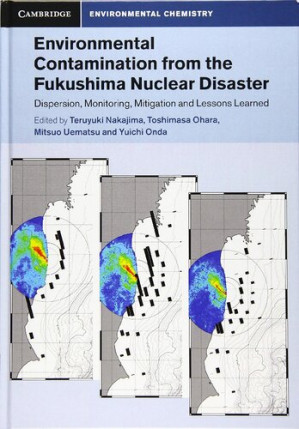
La page de présentation indique : "The 2011 disaster at the Fukushima Daiichi Nuclear Power Station led to serious radioactive contamination of the environment. Due to transportation by seasonal wind and ocean currents, these radioactive materials have now been observed in many places in the Northern Hemisphere. This book provides a unique summary of the environmental impact of the unprecedented accident. It covers how radioactive materials were transported through the atmosphere, oceans and land. The techniques used to investigate the deposition and migration processes are also discussed including atmospheric observation, soil mapping, forest and ecosystem investigations, and numerical simulations. With chapters written by international experts, this is a crucial resource for researchers working on the dispersion and impact of radionuclides in the environment. It also provides essential knowledge for nuclear engineers, social scientists and policymakers to help develop suitable mitigation measures to prepare for similar large-scale natural hazards in the future"
备用文件名
lgrsnf/Environmental Contamination from the Fukushima Nuclear Disaster.pdf
备用文件名
zlib/Engineering/Teruyuki Nakajima, Toshimasa Ohara, Mitsuo Uematsu, Yuichi Onda/Environmental Contamination from the Fukushima Nuclear Disaster: Dispersion, Monitoring, Mitigation and Lessons Learned_5511928.pdf
备选作者
Teruyuki Nakajima; Toshimasa Ōhara; Mitsuo Uematsu; Yūichi Onda
备选作者
Teruyuki Nakajima; Toshimasa Ōhara; Mitsuo Uematsu; Yuichi Onda
备用出版商
Cambridge Library Collection
备用版本
Cambridge environmental chemistry series, Cambridge, United Kingdom, 2019
备用版本
Cambridge University Press, Cambridge, 2019
备用版本
United Kingdom and Ireland, United Kingdom
元数据中的注释
lg2522833
元数据中的注释
{"edition":"1","isbns":["1108475809","1108574270","9781108475808","9781108574273"],"last_page":372,"publisher":"Cambridge University Press","series":"Cambridge Environmental Chemistry Series"}
备用描述
Contents
Contributors
Preface
Acknowledgements
Part I Transport of Radioactive Materials in the Environment
1 Introduction: Basic Concepts Regarding the Fukushima Accident and Radiation and Radioactivity
1.1 Overview of the Fukushima Accident
1.2 Radioactive Elements, Radioactive Nuclides and Radioactive Substances
1.3 Measurement of Radiation
1.4 Example of γ-Ray Spectrometry to Determine Accurate Radioactivity Values
1.5 Radioactivity and Radiation Dose
1.6 Effects of Radioactive Substances on Humans
1.7 Environmental Transfer of Radioactive Substances
1.8 Temporal Trends of Radioactive Substances after and before the Fukushima Daiichi Nuclear Power Plant Accident : Quantitative Comparison
1.9 Characteristics of Anthropogenic Radionuclides in the Atmosphere after the Fukushima Daiichi Nuclear Power Plant Accident
1.10 Time-Dependent Change of Radiation Levels in the 80 km Zone for Five Years after the Fukushima Accident
References
2 Estimation of Environmental Releases of Radioactive Materials
2.1 Release of Radioactive Materials into the Atmosphere
2.2 Reverse Estimation Method for the Source Term
2.3 Release Rates of Radionuclides from the FDNPS
2.4 Evaluation of the Release Rates
2.5 Estimation of the Direct Release into the Ocean
References
3 Diffusion in the Atmosphere
3.1 The Atmospheric Transport Process for Radioactive Substances and the Effects of Meteorological Conditions
3.2 Atmospheric Transportation and Deposition of the Radioactive Materials
3.3 Atmospheric Dispersion of Releases
3.4 What Would Have Happened if This Accident Had Occurred in a Different Season or at a Different Power Plant?
3.5 Factors Contributing to Uncertainty in Atmospheric Diffusion Models
3.6 Behaviour of Radioactive Substances Based on Atmospheric Monitoring at Fukushima University
3.7 Atmospheric Radionuclides Concentrations Just After the Fukushima Accident
3.8 Monitoring the Radioactivity of Atmospheric Aerosols and the Influence of Resuspension from the Ground
3.9 Characteristics of Radioactive Materials in Aerosols
3.10 Sizes and Distributions of Metallic Particles Caused by Burning or Explosion
References
4 Global Transport of Radioactive Materials
4.1 Global Observation of Radioactive Material
4.2 Simulations of the Long-Range Transport of Radioactive Materials after the Accident
4.3 Estimation of the Transport Pathway and Simulation of Radioactive Materials Using Global-Scale Models
4.4 Inverse Estimation of Emission Fluxes Based on Global Observations and Numerical Simulations
4.5 Future Issues in the Global Simulation of Radioactive Materials
References
5 Ocean Transport of Radioactive Materials
5.1 Introduction
5.2 Measurement of Radioactive Materials Over the Marine Atmosphere
5.3 Behaviour of Radiocaesium from Rivers to the Coastal Marine Environment
5.4 Transport of Radiocaesium in the North Pacific Ocean
5.5 Dispersion Simulation and Estimation of the Total Amount of 137Cs Directly Discharged into the Ocean
5.6 Investigation of Radioactive Contamination of Marine Biota: A Chronicle
5.7 Pollution in Coastal Environments: Seawater and Sediment
5.8 Pollution of Marine Fish and Shellfish
5.9 Transfer Mechanisms of Radionuclides in the Marine Ecosystem
5.10 Radioactive Caesium from the Fukushima Nuclear Power Plant in Migratory Marine Animals
References
6 Diffusion and Deposition of Radioactive Materials in the Terrestrial Environment
6.1 Overview of the Large-Scale Measurement of Radioactive Materials Deposited on Ground Surfaces
6.2 Radionuclide Transfer from Forest Environments
6.3 Sediment and Radionuclide Transfer from the Land to the Ocean: International Research Perspectives
6.4 Distribution and Migration of Radioiodine in Terrestrial Environment
6.5 Understanding the Migration Behaviour of Radiocaesium at the Molecular Scale
6.6 Effects on Agricultural Products and Wild Plants
References
Part II Development and Future Issues for the Infrastructure of Disaster Prevention
Preliminary remarks
7 Monitoring System
7.1 Introduction
7.2 Radiation Monitoring Facilities
7.3 Information Necessary for Off-Site Countermeasures
7.4 Other Infrastructure
7.5 Monitoring of Rivers
References
8 Dispersion Modelling of Radioactive Materials
8.1 Overview of SPEEDI
8.2 Role of SPEEDI in the Emergency Response Framework
8.3 Response to the Fukushima Daiichi Nuclear Power Station Accident
8.4 How Should We Have Utilised SPEEDI?
8.5 Lessons and Tasks for SPEEDI from the Accident
8.6 Recent Status of Atmospheric Dispersion Modelling
References
9 Off-Site Decontamination
9.1 Concept of Decontamination and Its Application
9.2 Decontamination Techniques Used at Contaminated Sites
9.3 Timeline of the Decontamination-Related Events Following the Disaster
9.4 Demonstration Tests and Demonstration Model Projects for Decontamination Technologies
9.5 Contamination Levels Required to Trigger Intensive Survey for the Necessity of Decontamination Work and of the Goals of Decontamination
9.6 Temporary and Interim Storage, Processing and the Final Disposal of Soil and Waste Generated by Decontamination
9.7 Conclusion
References
Part III Lessons and Future Issues from the Fukushima Accident
10 Urgent Actions by Scientists
10.1 The Gathering and Distribution of Information Required for Applying Countermeasures at the Disaster Site
10.2 The Need for Interdisciplinary Research
10.3 Explanation of Scientific Phenomena and Uncertainties: The Importance of Validation –Lessons from the IPCC
10.4 Proposal for Group Voice: Going beyond the Limits of One Voice and Making Information Provided by Scientists Available to the Public in Emergency Situations
10.5 The Autonomous Dissemination of Information from Scientists
11 Emergency Actions and Messages Related to the Fukushima Accident
11.1 Reports from Fukushima University
11.2 Efforts of the Science Council of Japan and Scientific Societies and Unions
11.3 Urgent Atmospheric Measurements Under Collaboration between Geoscientists and Radiological Chemists
11.4 Urgent Survey for the Disaster at Sea
11.5 Participation of Nuclear Physicists in the Screening Survey
11.6 Large-Scale Investigation of Deposited Radioactive Materials
11.7 Scientists’ Contribution to the Study of Forests
11.8 Specific Characteristics of the Fukushima Accident
References
12 Recommendations for the Fukushima Project from Foreign Scientists
12.1 Emergency Response Improvements Following the Fukushima Nuclear Accident
12.2 Suggestions for Future Steps to be Taken by Japan
12.3 Recommendations to Japanese Researchers
References
Glossary
Names of Locations
Index
Contributors
Preface
Acknowledgements
Part I Transport of Radioactive Materials in the Environment
1 Introduction: Basic Concepts Regarding the Fukushima Accident and Radiation and Radioactivity
1.1 Overview of the Fukushima Accident
1.2 Radioactive Elements, Radioactive Nuclides and Radioactive Substances
1.3 Measurement of Radiation
1.4 Example of γ-Ray Spectrometry to Determine Accurate Radioactivity Values
1.5 Radioactivity and Radiation Dose
1.6 Effects of Radioactive Substances on Humans
1.7 Environmental Transfer of Radioactive Substances
1.8 Temporal Trends of Radioactive Substances after and before the Fukushima Daiichi Nuclear Power Plant Accident : Quantitative Comparison
1.9 Characteristics of Anthropogenic Radionuclides in the Atmosphere after the Fukushima Daiichi Nuclear Power Plant Accident
1.10 Time-Dependent Change of Radiation Levels in the 80 km Zone for Five Years after the Fukushima Accident
References
2 Estimation of Environmental Releases of Radioactive Materials
2.1 Release of Radioactive Materials into the Atmosphere
2.2 Reverse Estimation Method for the Source Term
2.3 Release Rates of Radionuclides from the FDNPS
2.4 Evaluation of the Release Rates
2.5 Estimation of the Direct Release into the Ocean
References
3 Diffusion in the Atmosphere
3.1 The Atmospheric Transport Process for Radioactive Substances and the Effects of Meteorological Conditions
3.2 Atmospheric Transportation and Deposition of the Radioactive Materials
3.3 Atmospheric Dispersion of Releases
3.4 What Would Have Happened if This Accident Had Occurred in a Different Season or at a Different Power Plant?
3.5 Factors Contributing to Uncertainty in Atmospheric Diffusion Models
3.6 Behaviour of Radioactive Substances Based on Atmospheric Monitoring at Fukushima University
3.7 Atmospheric Radionuclides Concentrations Just After the Fukushima Accident
3.8 Monitoring the Radioactivity of Atmospheric Aerosols and the Influence of Resuspension from the Ground
3.9 Characteristics of Radioactive Materials in Aerosols
3.10 Sizes and Distributions of Metallic Particles Caused by Burning or Explosion
References
4 Global Transport of Radioactive Materials
4.1 Global Observation of Radioactive Material
4.2 Simulations of the Long-Range Transport of Radioactive Materials after the Accident
4.3 Estimation of the Transport Pathway and Simulation of Radioactive Materials Using Global-Scale Models
4.4 Inverse Estimation of Emission Fluxes Based on Global Observations and Numerical Simulations
4.5 Future Issues in the Global Simulation of Radioactive Materials
References
5 Ocean Transport of Radioactive Materials
5.1 Introduction
5.2 Measurement of Radioactive Materials Over the Marine Atmosphere
5.3 Behaviour of Radiocaesium from Rivers to the Coastal Marine Environment
5.4 Transport of Radiocaesium in the North Pacific Ocean
5.5 Dispersion Simulation and Estimation of the Total Amount of 137Cs Directly Discharged into the Ocean
5.6 Investigation of Radioactive Contamination of Marine Biota: A Chronicle
5.7 Pollution in Coastal Environments: Seawater and Sediment
5.8 Pollution of Marine Fish and Shellfish
5.9 Transfer Mechanisms of Radionuclides in the Marine Ecosystem
5.10 Radioactive Caesium from the Fukushima Nuclear Power Plant in Migratory Marine Animals
References
6 Diffusion and Deposition of Radioactive Materials in the Terrestrial Environment
6.1 Overview of the Large-Scale Measurement of Radioactive Materials Deposited on Ground Surfaces
6.2 Radionuclide Transfer from Forest Environments
6.3 Sediment and Radionuclide Transfer from the Land to the Ocean: International Research Perspectives
6.4 Distribution and Migration of Radioiodine in Terrestrial Environment
6.5 Understanding the Migration Behaviour of Radiocaesium at the Molecular Scale
6.6 Effects on Agricultural Products and Wild Plants
References
Part II Development and Future Issues for the Infrastructure of Disaster Prevention
Preliminary remarks
7 Monitoring System
7.1 Introduction
7.2 Radiation Monitoring Facilities
7.3 Information Necessary for Off-Site Countermeasures
7.4 Other Infrastructure
7.5 Monitoring of Rivers
References
8 Dispersion Modelling of Radioactive Materials
8.1 Overview of SPEEDI
8.2 Role of SPEEDI in the Emergency Response Framework
8.3 Response to the Fukushima Daiichi Nuclear Power Station Accident
8.4 How Should We Have Utilised SPEEDI?
8.5 Lessons and Tasks for SPEEDI from the Accident
8.6 Recent Status of Atmospheric Dispersion Modelling
References
9 Off-Site Decontamination
9.1 Concept of Decontamination and Its Application
9.2 Decontamination Techniques Used at Contaminated Sites
9.3 Timeline of the Decontamination-Related Events Following the Disaster
9.4 Demonstration Tests and Demonstration Model Projects for Decontamination Technologies
9.5 Contamination Levels Required to Trigger Intensive Survey for the Necessity of Decontamination Work and of the Goals of Decontamination
9.6 Temporary and Interim Storage, Processing and the Final Disposal of Soil and Waste Generated by Decontamination
9.7 Conclusion
References
Part III Lessons and Future Issues from the Fukushima Accident
10 Urgent Actions by Scientists
10.1 The Gathering and Distribution of Information Required for Applying Countermeasures at the Disaster Site
10.2 The Need for Interdisciplinary Research
10.3 Explanation of Scientific Phenomena and Uncertainties: The Importance of Validation –Lessons from the IPCC
10.4 Proposal for Group Voice: Going beyond the Limits of One Voice and Making Information Provided by Scientists Available to the Public in Emergency Situations
10.5 The Autonomous Dissemination of Information from Scientists
11 Emergency Actions and Messages Related to the Fukushima Accident
11.1 Reports from Fukushima University
11.2 Efforts of the Science Council of Japan and Scientific Societies and Unions
11.3 Urgent Atmospheric Measurements Under Collaboration between Geoscientists and Radiological Chemists
11.4 Urgent Survey for the Disaster at Sea
11.5 Participation of Nuclear Physicists in the Screening Survey
11.6 Large-Scale Investigation of Deposited Radioactive Materials
11.7 Scientists’ Contribution to the Study of Forests
11.8 Specific Characteristics of the Fukushima Accident
References
12 Recommendations for the Fukushima Project from Foreign Scientists
12.1 Emergency Response Improvements Following the Fukushima Nuclear Accident
12.2 Suggestions for Future Steps to be Taken by Japan
12.3 Recommendations to Japanese Researchers
References
Glossary
Names of Locations
Index
备用描述
La page de présentation indique : "The 2011 disaster at the Fukushima Daiichi Nuclear Power Station led to serious radioactive contamination of the environment. Due to transportation by seasonal wind and ocean currents, these radioactive materials have now been observed in many places in the Northern Hemisphere. This book provides a unique summary of the environmental impact of the unprecedented accident. It covers how radioactive materials were transported through the atmosphere, oceans and land. The techniques used to investigate the deposition and migration processes are also discussed including atmospheric observation, soil mapping, forest and ecosystem investigations, and numerical simulations. With chapters written by international experts, this is a crucial resource for researchers working on the dispersion and impact of radionuclides in the environment. It also provides essential knowledge for nuclear engineers, social scientists and policymakers to help develop suitable mitigation measures to prepare for similar large-scale natural hazards in the future"
备用描述
"A large area that includes Fukushima Prefecture was seriously contaminated by radioactive materials emitted into the atmosphere and the ocean by the accident at the Fukushima Daiichi Nuclear Power Station (hereafter, FDNPS1) of the Tokyo Electric Power Company, which was caused by the Tohoku Region Pacific Coast Earthquake in 2011. The emitted radioactive materials were transported by seasonal wind and ocean currents to a wide area of the globe and have been observed in various places in the Northern Hemisphere. These materials have also been detected in soil, forests, lakes, rivers, and seas due to fallout and direct discharge, and continued movement in the environment"-- Provided by publisher
备用描述
This book provides a unique summary of the environmental impact of the 2011 disaster at the Fukushima Daiichi Nuclear Power Station. This is a crucial resource for researchers working on the dispersion and impact of radionuclides in the environment, and for nuclear engineers and policymakers to develop suitable mitigation measures for the future.
开源日期
2020-05-16
🚀 快速下载
成为会员以支持书籍、论文等的长期保存。为了感谢您对我们的支持,您将获得高速下载权益。❤️
🐢 低速下载
由可信的合作方提供。 更多信息请参见常见问题解答。 (可能需要验证浏览器——无限次下载!)
- 低速服务器(合作方提供) #1 (稍快但需要排队)
- 低速服务器(合作方提供) #2 (稍快但需要排队)
- 低速服务器(合作方提供) #3 (稍快但需要排队)
- 低速服务器(合作方提供) #4 (稍快但需要排队)
- 低速服务器(合作方提供) #5 (无需排队,但可能非常慢)
- 低速服务器(合作方提供) #6 (无需排队,但可能非常慢)
- 低速服务器(合作方提供) #7 (无需排队,但可能非常慢)
- 低速服务器(合作方提供) #8 (无需排队,但可能非常慢)
- 低速服务器(合作方提供) #9 (无需排队,但可能非常慢)
- 下载后: 在我们的查看器中打开
所有选项下载的文件都相同,应该可以安全使用。即使这样,从互联网下载文件时始终要小心。例如,确保您的设备更新及时。
外部下载
-
对于大文件,我们建议使用下载管理器以防止中断。
推荐的下载管理器:JDownloader -
您将需要一个电子书或 PDF 阅读器来打开文件,具体取决于文件格式。
推荐的电子书阅读器:Anna的档案在线查看器、ReadEra和Calibre -
使用在线工具进行格式转换。
推荐的转换工具:CloudConvert和PrintFriendly -
您可以将 PDF 和 EPUB 文件发送到您的 Kindle 或 Kobo 电子阅读器。
推荐的工具:亚马逊的“发送到 Kindle”和djazz 的“发送到 Kobo/Kindle” -
支持作者和图书馆
✍️ 如果您喜欢这个并且能够负担得起,请考虑购买原版,或直接支持作者。
📚 如果您当地的图书馆有这本书,请考虑在那里免费借阅。
下面的文字仅以英文继续。
总下载量:
“文件的MD5”是根据文件内容计算出的哈希值,并且基于该内容具有相当的唯一性。我们这里索引的所有影子图书馆都主要使用MD5来标识文件。
一个文件可能会出现在多个影子图书馆中。有关我们编译的各种数据集的信息,请参见数据集页面。
有关此文件的详细信息,请查看其JSON 文件。 Live/debug JSON version. Live/debug page.