upload/duxiu_main2/【星空藏书馆】/【星空藏书馆】等多个文件/Kindle电子书库(012)/综合书籍(007)/综合1(011)/书2/九月虺原版书17855本单个20G压缩版/extracted__6.待分类1 书名 数字-O.zip/6.\xb4\xfd\xb7\xd6\xc0\xe01 \xca\xe9\xc3\xfb \xca\xfd\xd7\xd6-O/\xb3\xac\xc8\xcb\xce\xc4\xd6\xf7\xd2\xe5\xb6\xc1\xb1\xbe.pdf
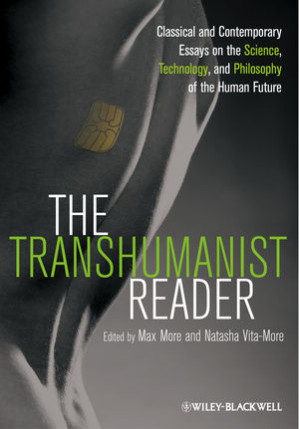
The Transhumanist Reader : Classical and Contemporary Essays on the Science, Technology, and Philosophy of the Human Future 🔍
More, Max (editor);Vita‐More, Natasha (editor)
Wiley-Blackwell, 2013 mar 11
英语 [en] · PDF · 5.4MB · 2013 · 📘 非小说类图书 · 🚀/lgli/lgrs/nexusstc/upload/zlib · Save
描述
The first authoritative and comprehensive survey of the origins and current state of transhumanist thinking The rapid pace of emerging technologies is playing an increasingly important role in overcoming fundamental human limitations. Featuring core writings by seminal thinkers in the speculative possibilities of the posthuman condition, essays address key philosophical arguments for and against human enhancement, explore the inevitability of life extension, and consider possible solutions to the growing issues of social and ethical implications and concerns. Edited by the internationally acclaimed founders of the philosophy and social movement of transhumanism, The Transhumanist Reader is an indispensable guide to our current state of knowledge of the quest to expand the frontiers of human nature.Content:
Chapter I Roots and Core Themes (pages 1–2):
Chapter 1 The Philosophy of Transhumanism (pages 3–17): Max More
Chapter 2 Aesthetics (pages 18–27): Natasha Vita?More
Chapter 3 Why I Want to be a Posthuman When I Grow Up (pages 28–53): Nick Bostrom
Chapter 4 Transhumanist Declaration (2012) (pages 54–55):
Chapter 5 Morphological Freedom – Why We Not Just Want It, but Need It (pages 56–64): Anders Sandberg
Chapter II Human Enhancement (pages 65–66):
Chapter 6 Welcome to the Future of Medicine (pages 67–72): Robert A. Freitas
Chapter 7 Life Expansion Media (pages 73–82): Natasha Vita?More
Chapter 8 The Hybronaut Affair (pages 83–90): Laura Beloff
Chapter 9 Transavatars (pages 91–99): William Sims Bainbridge
Chapter 10 Alternative Biologies (pages 100–109): Rachel Armstrong
Chapter III Human Enhancement (pages 111–112):
Chapter 11 Re?Inventing Ourselves (pages 113–127): Andy Clark
Chapter 12 Artificial General Intelligence and the Future of Humanity (pages 128–137): Ben Goertzel
Chapter 13 Intelligent Information Filters and Enhanced Reality (pages 138–145): Alexander “Sasha” Chislenko
Chapter 14 Uploading to Substrate?Independent Minds (pages 146–156): Randal A. Koene
Chapter 15 Uploading (pages 157–164): Ralph C. Merkle
Chapter IV Core Technologies (pages 165–166):
Chapter 16 Why Freud Was the First Good AI Theorist (pages 167–176): Marvin Minsky
Chapter 17 Pigs in Cyberspace (pages 177–181): Hans Moravec
Chapter 18 Nanocomputers (pages 182–195): J. Storrs Hall
Chapter 19 Immortalist Fictions and Strategies (pages 196–204): Michael R. Rose
Chapter 20 Dialogue between Ray Kurzweil and Eric Drexler (pages 205–211):
Chapter V Engines of Life (pages 213–214):
Chapter 21 The Curate's Egg of Anti?Anti?Aging Bioethics (pages 215–219): Aubrey de Grey
Chapter 22 Medical Time Travel (pages 220–226): Brian Wowk
Chapter 23 Transhumanism and Personal Identity (pages 227–233): James Hughes
Chapter 24 Transcendent Engineering (pages 234–240): Giulio Prisco
Chapter VI Enhanced Decision?Making (pages 241–242):
Chapter 25 Idea Futures (pages 243–257): Robin Hanson
Chapter 26 The Proactionary Principle (pages 258–267): Max More
Chapter 27 The Open Society and Its Media (pages 268–277): Mark S. Miller, with E. Dean Tribble, Ravi Pandya and Marc Stiegler
Chapter VII Biopolitics and Policy (pages 279–280):
Chapter 28 Performance Enhancement and Legal Theory (pages 281–290):
Chapter 29 Justifying Human Enhancement (pages 291–301): Andy Miah
Chapter 30 The Battle for the Future (pages 302–316): Gregory Stock
Chapter 31 Mind is Deeper Than Matter (pages 317–326): Martine Rothblatt
Chapter 32 For Enhancing People (pages 327–344): Ronald Bailey
Chapter 33 Is Enhancement Worthy of Being a Right? (pages 345–354): Patrick D. Hopkins
Chapter 34 Freedom by Design (pages 355–360): Wrye Sententia
Chapter VIII Future Trajectories (pages 361–363):
Chapter 35 Technological Singularity (pages 365–375): Vernor Vinge
Chapter 36 An Overview of Models of Technological Singularity (pages 376–394): Anders Sandberg
Chapter 37 A Critical Discussion of Vinge's Singularity Concept (pages 395–417): David Brin, Damien Broderick, Nick Bostrom, Alexander “Sasha” Chislenko, Robin Hanson, Max More, Michael Nielsen and Anders Sandberg
Chapter IX The World's Most Dangerous Idea (pages 419–420):
Chapter 38 The Great Transition (pages 421–429): Russell Blackford
Chapter 39 Trans and Post (pages 430–437): Damien Broderick
Chapter 40 Back to Nature II (pages 438–448): Roy Ascott
Chapter 41 A Letter to Mother Nature (pages 449–450): Max More
Chapter 42 Progress and Relinquishment (pages 451–453): Ray Kurzweil
Chapter I Roots and Core Themes (pages 1–2):
Chapter 1 The Philosophy of Transhumanism (pages 3–17): Max More
Chapter 2 Aesthetics (pages 18–27): Natasha Vita?More
Chapter 3 Why I Want to be a Posthuman When I Grow Up (pages 28–53): Nick Bostrom
Chapter 4 Transhumanist Declaration (2012) (pages 54–55):
Chapter 5 Morphological Freedom – Why We Not Just Want It, but Need It (pages 56–64): Anders Sandberg
Chapter II Human Enhancement (pages 65–66):
Chapter 6 Welcome to the Future of Medicine (pages 67–72): Robert A. Freitas
Chapter 7 Life Expansion Media (pages 73–82): Natasha Vita?More
Chapter 8 The Hybronaut Affair (pages 83–90): Laura Beloff
Chapter 9 Transavatars (pages 91–99): William Sims Bainbridge
Chapter 10 Alternative Biologies (pages 100–109): Rachel Armstrong
Chapter III Human Enhancement (pages 111–112):
Chapter 11 Re?Inventing Ourselves (pages 113–127): Andy Clark
Chapter 12 Artificial General Intelligence and the Future of Humanity (pages 128–137): Ben Goertzel
Chapter 13 Intelligent Information Filters and Enhanced Reality (pages 138–145): Alexander “Sasha” Chislenko
Chapter 14 Uploading to Substrate?Independent Minds (pages 146–156): Randal A. Koene
Chapter 15 Uploading (pages 157–164): Ralph C. Merkle
Chapter IV Core Technologies (pages 165–166):
Chapter 16 Why Freud Was the First Good AI Theorist (pages 167–176): Marvin Minsky
Chapter 17 Pigs in Cyberspace (pages 177–181): Hans Moravec
Chapter 18 Nanocomputers (pages 182–195): J. Storrs Hall
Chapter 19 Immortalist Fictions and Strategies (pages 196–204): Michael R. Rose
Chapter 20 Dialogue between Ray Kurzweil and Eric Drexler (pages 205–211):
Chapter V Engines of Life (pages 213–214):
Chapter 21 The Curate's Egg of Anti?Anti?Aging Bioethics (pages 215–219): Aubrey de Grey
Chapter 22 Medical Time Travel (pages 220–226): Brian Wowk
Chapter 23 Transhumanism and Personal Identity (pages 227–233): James Hughes
Chapter 24 Transcendent Engineering (pages 234–240): Giulio Prisco
Chapter VI Enhanced Decision?Making (pages 241–242):
Chapter 25 Idea Futures (pages 243–257): Robin Hanson
Chapter 26 The Proactionary Principle (pages 258–267): Max More
Chapter 27 The Open Society and Its Media (pages 268–277): Mark S. Miller, with E. Dean Tribble, Ravi Pandya and Marc Stiegler
Chapter VII Biopolitics and Policy (pages 279–280):
Chapter 28 Performance Enhancement and Legal Theory (pages 281–290):
Chapter 29 Justifying Human Enhancement (pages 291–301): Andy Miah
Chapter 30 The Battle for the Future (pages 302–316): Gregory Stock
Chapter 31 Mind is Deeper Than Matter (pages 317–326): Martine Rothblatt
Chapter 32 For Enhancing People (pages 327–344): Ronald Bailey
Chapter 33 Is Enhancement Worthy of Being a Right? (pages 345–354): Patrick D. Hopkins
Chapter 34 Freedom by Design (pages 355–360): Wrye Sententia
Chapter VIII Future Trajectories (pages 361–363):
Chapter 35 Technological Singularity (pages 365–375): Vernor Vinge
Chapter 36 An Overview of Models of Technological Singularity (pages 376–394): Anders Sandberg
Chapter 37 A Critical Discussion of Vinge's Singularity Concept (pages 395–417): David Brin, Damien Broderick, Nick Bostrom, Alexander “Sasha” Chislenko, Robin Hanson, Max More, Michael Nielsen and Anders Sandberg
Chapter IX The World's Most Dangerous Idea (pages 419–420):
Chapter 38 The Great Transition (pages 421–429): Russell Blackford
Chapter 39 Trans and Post (pages 430–437): Damien Broderick
Chapter 40 Back to Nature II (pages 438–448): Roy Ascott
Chapter 41 A Letter to Mother Nature (pages 449–450): Max More
Chapter 42 Progress and Relinquishment (pages 451–453): Ray Kurzweil
备用文件名
upload/motw_shc_2025_10/shc/The Transhumanist Reader_ Classical and Co - Max More.pdf
备用文件名
motw/The Transhumanist Reader_ Classical and Co - Max More.pdf
备用文件名
lgli/A:\compressed\10.1002%2F9781118555927.pdf
备用文件名
lgrsnf/A:\compressed\10.1002%2F9781118555927.pdf
备用文件名
nexusstc/The Transhumanist Reader: Classical and Contemporary Essays on the Science, Technology, and Philosophy of the Human Future/8687785200a41910758f276efc4c7f34.pdf
备用文件名
zlib/Medicine/Max More, Natasha Vita-More/The Transhumanist Reader: Classical and Contemporary Essays on the Science, Technology, and Philosophy of the Human Future_2156582.pdf
备选作者
Max More, Natasha Vita-More
备选作者
PdfCompressor 3.1.34
备选作者
4<8=8AB@0B>@
备用出版商
John Wiley & Sons, Incorporated
备用出版商
Wiley & Sons, Limited, John
备用出版商
Verlag nicht ermittelbar
备用出版商
John Wiley & Sons, Ltd
备用版本
John Wiley & Sons, Inc., Chichester, West Sussex, UK, 2013
备用版本
First edition, Chichester, West Sussex, UK, 2013
备用版本
Erscheinungsort nicht ermittelbar, 2013
备用版本
United States, United States of America
备用版本
1.publ, Chichester, West Sussex, 2013
备用版本
1., Auflage, New York, NY, 2013
元数据中的注释
lg1002648
元数据中的注释
producers:
CVISION Technologies
CVISION Technologies
元数据中的注释
{"edition":"1","isbns":["1118334299","1118555929","9781118334294","9781118555927"],"last_page":467,"publisher":"Wiley"}
元数据中的注释
Memory of the World Librarian: Quintus
备用描述
**The first authoritative and comprehensive survey of the origins and current state of transhumanist thinking**The rapid pace of emerging technologies is playing an increasingly important role in overcoming fundamental human limitations. Featuring core writings by seminal thinkers in the speculative possibilities of the posthuman condition, essays address key philosophical arguments for and against human enhancement, explore the inevitability of life extension, and consider possible solutions to the growing issues of social and ethical implications and concerns. Edited by the internationally acclaimed founders of the philosophy and social movement of transhumanism, __The Transhumanist Reader__ is an indispensable guide to our current state of knowledge of the quest to expand the frontiers of human nature.Content: Chapter I Roots and Core Themes (pages 1–2): Chapter 1 The Philosophy of Transhumanism (pages 3–17): Max MoreChapter 2 Aesthetics (pages 18–27): Natasha Vita?MoreChapter 3 Why I Want to be a Posthuman When I Grow Up (pages 28–53): Nick BostromChapter 4 Transhumanist Declaration (2012) (pages 54–55): Chapter 5 Morphological Freedom – Why We Not Just Want It, but Need It (pages 56–64): Anders SandbergChapter II Human Enhancement (pages 65–66): Chapter 6 Welcome to the Future of Medicine (pages 67–72): Robert A. FreitasChapter 7 Life Expansion Media (pages 73–82): Natasha Vita?MoreChapter 8 The Hybronaut Affair (pages 83–90): Laura BeloffChapter 9 Transavatars (pages 91–99): William Sims BainbridgeChapter 10 Alternative Biologies (pages 100–109): Rachel ArmstrongChapter III Human Enhancement (pages 111–112): Chapter 11 Re?Inventing Ourselves (pages 113–127): Andy ClarkChapter 12 Artificial General Intelligence and the Future of Humanity (pages 128–137): Ben GoertzelChapter 13 Intelligent Information Filters and Enhanced Reality (pages 138–145): Alexander “Sasha” ChislenkoChapter 14 Uploading to Substrate?Independent Minds (pages 146–156): Randal A. KoeneChapter 15 Uploading (pages 157–164): Ralph C. MerkleChapter IV Core Technologies (pages 165–166): Chapter 16 Why Freud Was the First Good AI Theorist (pages 167–176): Marvin MinskyChapter 17 Pigs in Cyberspace (pages 177–181): Hans MoravecChapter 18 Nanocomputers (pages 182–195): J. Storrs HallChapter 19 Immortalist Fictions and Strategies (pages 196–204): Michael R. RoseChapter 20 Dialogue between Ray Kurzweil and Eric Drexler (pages 205–211): Chapter V Engines of Life (pages 213–214): Chapter 21 The Curate's Egg of Anti?Anti?Aging Bioethics (pages 215–219): Aubrey de GreyChapter 22 Medical Time Travel (pages 220–226): Brian WowkChapter 23 Transhumanism and Personal Identity (pages 227–233): James HughesChapter 24 Transcendent Engineering (pages 234–240): Giulio PriscoChapter VI Enhanced Decision?Making (pages 241–242): Chapter 25 Idea Futures (pages 243–257): Robin HansonChapter 26 The Proactionary Principle (pages 258–267): Max MoreChapter 27 The Open Society and Its Media (pages 268–277): Mark S. Miller, with E. Dean Tribble, Ravi Pandya and Marc StieglerChapter VII Biopolitics and Policy (pages 279–280): Chapter 28 Performance Enhancement and Legal Theory (pages 281–290): Chapter 29 Justifying Human Enhancement (pages 291–301): Andy MiahChapter 30 The Battle for the Future (pages 302–316): Gregory StockChapter 31 Mind is Deeper Than Matter (pages 317–326): Martine RothblattChapter 32 For Enhancing People (pages 327–344): Ronald BaileyChapter 33 Is Enhancement Worthy of Being a Right? (pages 345–354): Patrick D. HopkinsChapter 34 Freedom by Design (pages 355–360): Wrye SententiaChapter VIII Future Trajectories (pages 361–363): Chapter 35 Technological Singularity (pages 365–375): Vernor VingeChapter 36 An Overview of Models of Technological Singularity (pages 376–394): Anders SandbergChapter 37 A Critical Discussion of Vinge's Singularity Concept (pages 395–417): David Brin, Damien Broderick, Nick Bostrom, Alexander “Sasha” Chislenko, Robin Hanson, Max More, Michael Nielsen and Anders SandbergChapter IX The World's Most Dangerous Idea (pages 419–420): Chapter 38 The Great Transition (pages 421–429): Russell BlackfordChapter 39 Trans and Post (pages 430–437): Damien BroderickChapter 40 Back to Nature II (pages 438–448): Roy AscottChapter 41 A Letter to Mother Nature (pages 449–450): Max MoreChapter 42 Progress and Relinquishment (pages 451–453): Ray Kurzweil
备用描述
"The first authoritative and comprehensive survey of the origins and current state of transhumanist thinking The rapid pace of emerging technologies is playing an increasingly important role in overcoming fundamental human limitations. Featuring core writings by seminal thinkers in the speculative possibilities of the posthuman condition, essays address key philosophical arguments for and against human enhancement, explore the inevitability of life extension, and consider possible solutions to the growing issues of social and ethical implications and concerns. Edited by the internationally acclaimed founders of the philosophy and social movement of transhumanism, The Transhumanist Reader is an indispensable guide to our current state of knowledge of the quest to expand the frontiers of human nature. Editors: Max More, PhD is President and CEO of the Alcor Life Extension Foundation, the world's leading cryonics organization. An internationally acclaimed strategic philosopher, Dr. More is recognized for his thinking on the philosophical and cultural implications of emerging technologies. Natasha Vita-More, PhD is a leading expert on human enhancement and emerging and speculative technologies and is a Professor at the University of Advancing Technology, Tempe Ariz. Dr. Vita-More's writings have appeared in Technoetic Arts: Journal of Speculative Research, Metaverse Creativity and The Global Spiral. She has appeared in numerous televised documentaries on media design, culture, and the future."--[source inconnue]
备用描述
<b>The first authoritative and comprehensive survey of the origins and current state of transhumanist thinking</b>
<p>The rapid pace of emerging technologies is playing an increasingly important role in overcoming fundamental human limitations. Featuring core writings by seminal thinkers in the speculative possibilities of the posthuman condition, essays address key philosophical arguments for and against human enhancement, explore the inevitability of life extension, and consider possible solutions to the growing issues of social and ethical implications and concerns. Edited by the internationally acclaimed founders of the philosophy and social movement of transhumanism, <i>The Transhumanist Reader</i> is an indispensable guide to our current state of knowledge of the quest to expand the frontiers of human nature.</p>
<p>The rapid pace of emerging technologies is playing an increasingly important role in overcoming fundamental human limitations. Featuring core writings by seminal thinkers in the speculative possibilities of the posthuman condition, essays address key philosophical arguments for and against human enhancement, explore the inevitability of life extension, and consider possible solutions to the growing issues of social and ethical implications and concerns. Edited by the internationally acclaimed founders of the philosophy and social movement of transhumanism, <i>The Transhumanist Reader</i> is an indispensable guide to our current state of knowledge of the quest to expand the frontiers of human nature.</p>
备用描述
Roots And Core Themes -- Human Enhancement : The Somatic Sphere -- Human Enhancement : The Cognitive Sphere -- Core Technologies -- Engines Of Life : Identity And Beyond Death -- Enhanced Decision-making -- Biopolitics And Policy -- Futute Trajectories : Singularity -- The World's Most Dangerous Ideas. Edited By Max More And Natasha Vita-more. Includes Bibliographical References And Index.
开源日期
2013-08-01
🚀 快速下载
成为会员以支持书籍、论文等的长期保存。为了感谢您对我们的支持,您将获得高速下载权益。❤️
🐢 低速下载
由可信的合作方提供。 更多信息请参见常见问题解答。 (可能需要验证浏览器——无限次下载!)
- 低速服务器(合作方提供) #1 (稍快但需要排队)
- 低速服务器(合作方提供) #2 (稍快但需要排队)
- 低速服务器(合作方提供) #3 (稍快但需要排队)
- 低速服务器(合作方提供) #4 (稍快但需要排队)
- 低速服务器(合作方提供) #5 (无需排队,但可能非常慢)
- 低速服务器(合作方提供) #6 (无需排队,但可能非常慢)
- 低速服务器(合作方提供) #7 (无需排队,但可能非常慢)
- 低速服务器(合作方提供) #8 (无需排队,但可能非常慢)
- 低速服务器(合作方提供) #9 (无需排队,但可能非常慢)
- 下载后: 在我们的查看器中打开
所有选项下载的文件都相同,应该可以安全使用。即使这样,从互联网下载文件时始终要小心。例如,确保您的设备更新及时。
外部下载
-
对于大文件,我们建议使用下载管理器以防止中断。
推荐的下载管理器:JDownloader -
您将需要一个电子书或 PDF 阅读器来打开文件,具体取决于文件格式。
推荐的电子书阅读器:Anna的档案在线查看器、ReadEra和Calibre -
使用在线工具进行格式转换。
推荐的转换工具:CloudConvert和PrintFriendly -
您可以将 PDF 和 EPUB 文件发送到您的 Kindle 或 Kobo 电子阅读器。
推荐的工具:亚马逊的“发送到 Kindle”和djazz 的“发送到 Kobo/Kindle” -
支持作者和图书馆
✍️ 如果您喜欢这个并且能够负担得起,请考虑购买原版,或直接支持作者。
📚 如果您当地的图书馆有这本书,请考虑在那里免费借阅。
下面的文字仅以英文继续。
总下载量:
“文件的MD5”是根据文件内容计算出的哈希值,并且基于该内容具有相当的唯一性。我们这里索引的所有影子图书馆都主要使用MD5来标识文件。
一个文件可能会出现在多个影子图书馆中。有关我们编译的各种数据集的信息,请参见数据集页面。
有关此文件的详细信息,请查看其JSON 文件。 Live/debug JSON version. Live/debug page.