lgli/N:\!genesis_files_for_add\_add\ftp2020-10\Pearson eLibrary\-1028689511_5c6e895505e2c03b933f119a.pdf
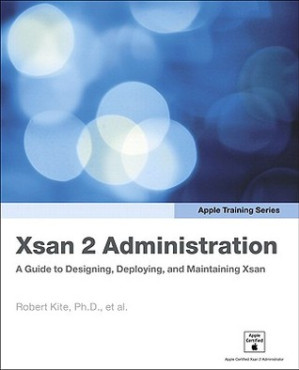
Apple Training Series : Xsan 2 Administration: A Guide to Designing, Deploying, and Maintaining Xsan 🔍
Kite Ph.D., Robert
Peachpit Press, Apple training series, 2008;2009
英语 [en] · PDF · 8.9MB · 2008 · 📘 非小说类图书 · 🚀/lgli/lgrs/nexusstc/zlib · Save
描述
Offering an in-depth look at Xsan 2 components, requirements, topologies, and installation challenges, this guide explains storage and network terminology, deployment options offered by Xsan 2, how to plan a deployment, and much more.
备用文件名
lgrsnf/N:\!genesis_files_for_add\_add\ftp2020-10\Pearson eLibrary\-1028689511_5c6e895505e2c03b933f119a.pdf
备用文件名
nexusstc/Xsan2 administration: a guide to designing, deploying, and maintaining Xsan/8acc9725a4c0a89d3f056a01b30ae932.pdf
备用文件名
zlib/Computers/Kite, Robert/Xsan2 administration: a guide to designing, deploying, and maintaining Xsan_9367702.pdf
备选作者
Robert Kite, et al
备选作者
Robert Kite Ph.D
备用出版商
Addison-Wesley Longman, Incorporated
备用出版商
Longman Publishing
备用出版商
Adobe Press
备用版本
Apple training series, Apple training series, Berkeley, CA, California, 2009
备用版本
Pearson Education Limited (US titles), [N.p.], 2009
备用版本
United States, United States of America
备用版本
1, US, 2008
元数据中的注释
lg2854548
元数据中的注释
{"isbns":["0321613228","9780321613226"],"publisher":"Peachpit Press","series":"Apple training series"}
元数据中的注释
Cover and spine: Apple certified.
Includes bibliographical references and index.
Includes bibliographical references and index.
备用描述
Cover......Page 1
Table of Contents......Page 8
Getting Started......Page 14
Chapter 1 Concepts: Understanding Storage Area Networks......Page 20
Storage Networking Architectures......Page 21
Benefits of Storage Area Networking......Page 24
Why Use a Cluster File System?......Page 26
Understanding Fibre Channel......Page 28
Fibre Channel and Protocols......Page 32
How Fibre Channel Works with Networks......Page 35
Understanding Fibre Channel Topologies......Page 37
Understanding Xsan......Page 43
How the Xsan Cluster File System Works......Page 44
Understanding Metadata......Page 49
Using a Metadata Ethernet Network......Page 52
Understanding the Xsan 2 Volume Structure......Page 53
What’s New in Xsan 2......Page 58
What You’ve Learned......Page 68
Review Questions......Page 69
Chapter 2 Planning Xsan Deployments......Page 72
Choosing Xsan Components......Page 73
Configuring Clients......Page 74
Considering Network Devices and Connections......Page 75
Planning Storage......Page 82
Planning Network Services......Page 85
Providing Directory Services......Page 88
Configuring Xsan Volumes......Page 89
Choosing RAID Levels for LUNs......Page 92
Choosing the Number of Volumes......Page 97
Choosing Metadata Controllers......Page 98
Choosing the Volume Configuration......Page 99
References......Page 104
Review Questions......Page 105
Chapter 3 Deployment......Page 108
Configuring Ethernet Networks......Page 109
Setting Up Network Services......Page 110
Setting Up Directory Services......Page 116
Creating Users and Groups......Page 120
Configuring a Fibre Channel Network......Page 125
Setting Up the Storage Devices......Page 135
Using Xserve RAID......Page 136
Using Promise VTrak......Page 140
Tuning VTrak Performance......Page 149
Configuring Clients......Page 152
Configuring Metadata Controllers......Page 155
Creating the SAN and SAN Volume......Page 161
What You’ve Learned......Page 171
References......Page 172
Review Questions......Page 173
Controlling Client Access......Page 176
Mounting and Unmounting an Xsan Volume......Page 180
Controlling User Access......Page 184
Using POSIX and ACLs......Page 191
Managing Home Folders......Page 196
Setting SAN User and Group Quotas......Page 199
Understanding Xsan Quotas......Page 200
Combining Xsan Controllers and StorNext Clients......Page 203
References......Page 205
Review Questions......Page 206
Understanding Xsan Volume Limitations......Page 210
Using the /config Directory......Page 212
File System Processes......Page 214
Managing Folder Affinities......Page 217
Increasing SAN Storage......Page 221
Changing Advanced Volume Settings......Page 228
Understanding Potential Data Loss......Page 233
Using Safe Shutdown and Startup......Page 234
Destroying a SAN Volume......Page 235
Choosing Backup Solutions......Page 236
References......Page 243
Review Questions......Page 244
Chapter 6 Maintenance and Troubleshooting......Page 246
Managing Metadata Controllers......Page 247
Monitoring SAN Status......Page 253
Using Xsan Admin......Page 254
Using Xserve Monitoring Tools......Page 261
Using Promise RAID Monitoring Tools......Page 267
Using Popular Command Line Tools......Page 274
Using Xsan Commands......Page 275
Applying Common SAN Troubleshooting Techniques......Page 290
What You’ve Learned......Page 294
References......Page 295
Review Questions......Page 296
A......Page 298
C......Page 299
D......Page 300
F......Page 301
H......Page 302
M......Page 303
N......Page 304
R......Page 305
S......Page 306
T......Page 307
W......Page 308
Z......Page 309
Table of Contents......Page 8
Getting Started......Page 14
Chapter 1 Concepts: Understanding Storage Area Networks......Page 20
Storage Networking Architectures......Page 21
Benefits of Storage Area Networking......Page 24
Why Use a Cluster File System?......Page 26
Understanding Fibre Channel......Page 28
Fibre Channel and Protocols......Page 32
How Fibre Channel Works with Networks......Page 35
Understanding Fibre Channel Topologies......Page 37
Understanding Xsan......Page 43
How the Xsan Cluster File System Works......Page 44
Understanding Metadata......Page 49
Using a Metadata Ethernet Network......Page 52
Understanding the Xsan 2 Volume Structure......Page 53
What’s New in Xsan 2......Page 58
What You’ve Learned......Page 68
Review Questions......Page 69
Chapter 2 Planning Xsan Deployments......Page 72
Choosing Xsan Components......Page 73
Configuring Clients......Page 74
Considering Network Devices and Connections......Page 75
Planning Storage......Page 82
Planning Network Services......Page 85
Providing Directory Services......Page 88
Configuring Xsan Volumes......Page 89
Choosing RAID Levels for LUNs......Page 92
Choosing the Number of Volumes......Page 97
Choosing Metadata Controllers......Page 98
Choosing the Volume Configuration......Page 99
References......Page 104
Review Questions......Page 105
Chapter 3 Deployment......Page 108
Configuring Ethernet Networks......Page 109
Setting Up Network Services......Page 110
Setting Up Directory Services......Page 116
Creating Users and Groups......Page 120
Configuring a Fibre Channel Network......Page 125
Setting Up the Storage Devices......Page 135
Using Xserve RAID......Page 136
Using Promise VTrak......Page 140
Tuning VTrak Performance......Page 149
Configuring Clients......Page 152
Configuring Metadata Controllers......Page 155
Creating the SAN and SAN Volume......Page 161
What You’ve Learned......Page 171
References......Page 172
Review Questions......Page 173
Controlling Client Access......Page 176
Mounting and Unmounting an Xsan Volume......Page 180
Controlling User Access......Page 184
Using POSIX and ACLs......Page 191
Managing Home Folders......Page 196
Setting SAN User and Group Quotas......Page 199
Understanding Xsan Quotas......Page 200
Combining Xsan Controllers and StorNext Clients......Page 203
References......Page 205
Review Questions......Page 206
Understanding Xsan Volume Limitations......Page 210
Using the /config Directory......Page 212
File System Processes......Page 214
Managing Folder Affinities......Page 217
Increasing SAN Storage......Page 221
Changing Advanced Volume Settings......Page 228
Understanding Potential Data Loss......Page 233
Using Safe Shutdown and Startup......Page 234
Destroying a SAN Volume......Page 235
Choosing Backup Solutions......Page 236
References......Page 243
Review Questions......Page 244
Chapter 6 Maintenance and Troubleshooting......Page 246
Managing Metadata Controllers......Page 247
Monitoring SAN Status......Page 253
Using Xsan Admin......Page 254
Using Xserve Monitoring Tools......Page 261
Using Promise RAID Monitoring Tools......Page 267
Using Popular Command Line Tools......Page 274
Using Xsan Commands......Page 275
Applying Common SAN Troubleshooting Techniques......Page 290
What You’ve Learned......Page 294
References......Page 295
Review Questions......Page 296
A......Page 298
C......Page 299
D......Page 300
F......Page 301
H......Page 302
M......Page 303
N......Page 304
R......Page 305
S......Page 306
T......Page 307
W......Page 308
Z......Page 309
备用描述
This is the eBook version of the printed book. If the print book includes a CD-ROM, this content is not included within the eBook version.Xsan is a 64-bit cluster file system specifically designed for small and large computing environments that demand the highest level of data availability. This book takes an in-depth look at Xsan 2 components, requirements, topologies, and installation challenges. System administrators and other IT professionals will learn about storage and network terminology; about the deployment options offered by Xsan 2 and how to plan a deployment; how to identify the basic structure of Xsan volumes; how to work with client and server configurations; how to manage failover; and about controlling user access to SAN volumes.
备用描述
<p><p>xsan Is A 64-bit Cluster File System Specifically Designed For Small And Large Computing Environments That Demand The Highest Level Of Data Availability. This Book Takes An In-depth Look At Xsan 2 Components, Requirements, Topologies, And Installation Challenges. System Administrators And Other It Professionals Will Learn About Storage And Network Terminology; About The Deployment Options Offered By Xsan 2 And How To Plan A Deployment; How To Identify The Basic Structure Of Xsan Volumes; How To Work With Client And Server Configurations; How To Manage Failover; And About Controlling User Access To San Volumes.</p>
开源日期
2020-11-29
🚀 快速下载
成为会员以支持书籍、论文等的长期保存。为了感谢您对我们的支持,您将获得高速下载权益。❤️
如果您在本月捐款,您将获得双倍的快速下载次数。
🐢 低速下载
由可信的合作方提供。 更多信息请参见常见问题解答。 (可能需要验证浏览器——无限次下载!)
- 低速服务器(合作方提供) #1 (稍快但需要排队)
- 低速服务器(合作方提供) #2 (稍快但需要排队)
- 低速服务器(合作方提供) #3 (稍快但需要排队)
- 低速服务器(合作方提供) #4 (稍快但需要排队)
- 低速服务器(合作方提供) #5 (无需排队,但可能非常慢)
- 低速服务器(合作方提供) #6 (无需排队,但可能非常慢)
- 低速服务器(合作方提供) #7 (无需排队,但可能非常慢)
- 低速服务器(合作方提供) #8 (无需排队,但可能非常慢)
- 低速服务器(合作方提供) #9 (无需排队,但可能非常慢)
- 下载后: 在我们的查看器中打开
所有选项下载的文件都相同,应该可以安全使用。即使这样,从互联网下载文件时始终要小心。例如,确保您的设备更新及时。
外部下载
-
对于大文件,我们建议使用下载管理器以防止中断。
推荐的下载管理器:JDownloader -
您将需要一个电子书或 PDF 阅读器来打开文件,具体取决于文件格式。
推荐的电子书阅读器:Anna的档案在线查看器、ReadEra和Calibre -
使用在线工具进行格式转换。
推荐的转换工具:CloudConvert和PrintFriendly -
您可以将 PDF 和 EPUB 文件发送到您的 Kindle 或 Kobo 电子阅读器。
推荐的工具:亚马逊的“发送到 Kindle”和djazz 的“发送到 Kobo/Kindle” -
支持作者和图书馆
✍️ 如果您喜欢这个并且能够负担得起,请考虑购买原版,或直接支持作者。
📚 如果您当地的图书馆有这本书,请考虑在那里免费借阅。
下面的文字仅以英文继续。
总下载量:
“文件的MD5”是根据文件内容计算出的哈希值,并且基于该内容具有相当的唯一性。我们这里索引的所有影子图书馆都主要使用MD5来标识文件。
一个文件可能会出现在多个影子图书馆中。有关我们编译的各种数据集的信息,请参见数据集页面。
有关此文件的详细信息,请查看其JSON 文件。 Live/debug JSON version. Live/debug page.