upload/newsarch_ebooks_2025_10/2019/12/21/Terrorist recognition handbook a practitioner`s manual for.pdf
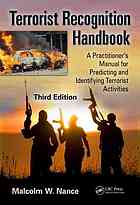
Terrorist Recognition Handbook : A Practitioner's Manual for Predicting and Identifying Terrorist Activities, Third Edition 🔍
Nance, Malcolm W.(Author)
Taylor & Francis Group, LAWENFORCEMENTnetBASE, Third edition, Boca Raton, 2013
英语 [en] · PDF · 23.5MB · 2013 · 📘 非小说类图书 · 🚀/lgli/lgrs/nexusstc/upload/zlib · Save
描述
First published in 2003, Terrorist Recognition Handbook: A Practitioner's Manual for Predicting and Identifying Terrorist Activities remains one of the only books available to provide detailed information on terrorist methodology-revealing terrorist motivation, organizational structure, planning, financing, and operational tactics to carry out attacks. This fully revised and updated third edition contains the detailed analysis and history of prior editions with completely new case studies and information on new and emerging terrorist practices and trends. Updates. Read more...
Abstract: First published in 2003, Terrorist Recognition Handbook: A Practitioner's Manual for Predicting and Identifying Terrorist Activities remains one of the only books available to provide detailed information on terrorist methodology-revealing terrorist motivation, organizational structure, planning, financing, and operational tactics to carry out attacks. This fully revised and updated third edition contains the detailed analysis and history of prior editions with completely new case studies and information on new and emerging terrorist practices and trends. Updates
Abstract: First published in 2003, Terrorist Recognition Handbook: A Practitioner's Manual for Predicting and Identifying Terrorist Activities remains one of the only books available to provide detailed information on terrorist methodology-revealing terrorist motivation, organizational structure, planning, financing, and operational tactics to carry out attacks. This fully revised and updated third edition contains the detailed analysis and history of prior editions with completely new case studies and information on new and emerging terrorist practices and trends. Updates
备用文件名
lgli/K:\_add\!woodhead\!woodhead1\crc\Terrorist Recognition Handbook A Practitioners Manual for Predi.pdf
备用文件名
lgrsnf/K:\_add\!woodhead\!woodhead1\crc\Terrorist Recognition Handbook A Practitioners Manual for Predi.pdf
备用文件名
nexusstc/Terrorist recognition handbook : a practitioner's manual for predicting and identifying terrorist activities/c00bb38697815d243b951ca5fad3b19e.pdf
备用文件名
zlib/Society, Politics & Philosophy/Malcolm W. Nance/Terrorist recognition handbook : a practitioner's manual for predicting and identifying terrorist activities_2697562.pdf
备选标题
Terrorist Recognition Handbook : A Practitioner's Manual for Predicting and Identifying Terrorist Activities (3rd Edition)
备选作者
Malcolm W. Nance; Desmond Wenger
备用出版商
American Society of Forensic Odontology
备用出版商
CRC Press LLC
备用版本
Taylor & Francis (Unlimited), Boca Raton, 2013
备用版本
United States, United States of America
备用版本
3rd ed, Baton Rouge, 2013
备用版本
2017
元数据中的注释
lg1488264
元数据中的注释
producers:
Adobe PDF Library 10.0.1
Adobe PDF Library 10.0.1
元数据中的注释
{"edition":"3","isbns":["1466554606","9781466554603"],"publisher":"Taylor & Francis"}
备用描述
Content: Part 1: Know the terrorist // 1. Your mission: critical awareness --
2. Who they are: identify terrorist operatives --
3. Intelligence profiling suspected terrorists --
4. Terrorist training --
5. Terrorism 101: why the terrorist chooses this path --
6. What terrorists believe /// Part 2: Identifying the terrorist group and its cells // 7. Terrorist group organization --
8. The terrorist cell --
9. Terrorist strategies and target selection /// Part 3: Detection of key terrorist activities // 10. Terrorist preparations for attack --
11. The terrorist's tools: conventional weapons identification --
12. Terrorist's tools: nuclear, biological, and chemical weapons and equipment /// Part 4: Predicting an attack // 13. Terrorist surveillance techniques --
14. Detecting infiltration and special mission techniques --
15. The decision and attack sequence: the last chance to stop an attack --
16. The basics of analyzing intelligence and predicting terrorism events --
17. Point of danger: law enforcement traffic stops and encountering terrorists --
18. Terrorist operations and tactics /// Part 5: The new fields of terror // 19. A primer on al-Qaeda and the global extremist insurgency --
20. Suicide terrorism: tactics, equipment and management --
21. Terrorism and insurgency in the Iraq and the changing Middle East (2003-2013) /// Part 6: Supplemental data: bibliography and appendices // Appendix A. Global terrorist groups --
Appendix B. Explosive components and ingredients checklists.
2. Who they are: identify terrorist operatives --
3. Intelligence profiling suspected terrorists --
4. Terrorist training --
5. Terrorism 101: why the terrorist chooses this path --
6. What terrorists believe /// Part 2: Identifying the terrorist group and its cells // 7. Terrorist group organization --
8. The terrorist cell --
9. Terrorist strategies and target selection /// Part 3: Detection of key terrorist activities // 10. Terrorist preparations for attack --
11. The terrorist's tools: conventional weapons identification --
12. Terrorist's tools: nuclear, biological, and chemical weapons and equipment /// Part 4: Predicting an attack // 13. Terrorist surveillance techniques --
14. Detecting infiltration and special mission techniques --
15. The decision and attack sequence: the last chance to stop an attack --
16. The basics of analyzing intelligence and predicting terrorism events --
17. Point of danger: law enforcement traffic stops and encountering terrorists --
18. Terrorist operations and tactics /// Part 5: The new fields of terror // 19. A primer on al-Qaeda and the global extremist insurgency --
20. Suicide terrorism: tactics, equipment and management --
21. Terrorism and insurgency in the Iraq and the changing Middle East (2003-2013) /// Part 6: Supplemental data: bibliography and appendices // Appendix A. Global terrorist groups --
Appendix B. Explosive components and ingredients checklists.
备用描述
Front Cover 1
Contents 8
Acknowledgments 22
The Author 24
Chapter 1: Your Mission: Critical Awareness 28
Chapter 2: Who They Are: Identifying Terrorist Operatives 34
Chapter 3: Intelligence Profiling Suspected Terrorists 52
Chapter 4: Terrorist Training 58
Chapter 5: Terrorism 101: Why the Terrorist Chooses This Path 64
Chapter 6: What Terrorists Believe 72
Chapter 7: Terrorist Group Organization 88
Chapter 8: The Terrorist Cell 100
Chapter 9: Terrorist Strategies and Target Selection 110
Chapter 10: Terrorist Preparations for Attack 122
Chapter 11: The Terrorist’s Tools: Conventional Weapons Identification 144
Chapter 12: Terrorists’ Tools: Nuclear, Biological, and Chemical Weapons and Equipment 164
Chapter 13: Terrorist Surveillance Techniques 194
Chapter 14: Detecting Infiltration and Special Mission Techniques 202
Chapter 15: The Decision and Attack Sequence: The Last Chance to Stop an Attack 216
Chapter 16: The Basics of Analyzing Intelligence and Predicting Terrorism Events 226
Chapter 17: Point of Danger: Law Enforcement Traffic Stops and Encountering Terrorists 258
Chapter 18: Terrorist Operations and Tactics 276
Chapter 19: A Primer on al-Qaeda and the Global Extremist Insurgency 304
Chapter 20: Suicide Terrorism: Tactics, Equipment, and Management 362
Chapter 21: Terrorism and Insurgency in Iraq and the Changing Middle East (2003–2013) 386
Bibliography 408
Appendix A: Global Terrorist Groups 412
Appendix B: Explosive Components and Ingredients Checklist 418
Back Cover 422
Contents 8
Acknowledgments 22
The Author 24
Chapter 1: Your Mission: Critical Awareness 28
Chapter 2: Who They Are: Identifying Terrorist Operatives 34
Chapter 3: Intelligence Profiling Suspected Terrorists 52
Chapter 4: Terrorist Training 58
Chapter 5: Terrorism 101: Why the Terrorist Chooses This Path 64
Chapter 6: What Terrorists Believe 72
Chapter 7: Terrorist Group Organization 88
Chapter 8: The Terrorist Cell 100
Chapter 9: Terrorist Strategies and Target Selection 110
Chapter 10: Terrorist Preparations for Attack 122
Chapter 11: The Terrorist’s Tools: Conventional Weapons Identification 144
Chapter 12: Terrorists’ Tools: Nuclear, Biological, and Chemical Weapons and Equipment 164
Chapter 13: Terrorist Surveillance Techniques 194
Chapter 14: Detecting Infiltration and Special Mission Techniques 202
Chapter 15: The Decision and Attack Sequence: The Last Chance to Stop an Attack 216
Chapter 16: The Basics of Analyzing Intelligence and Predicting Terrorism Events 226
Chapter 17: Point of Danger: Law Enforcement Traffic Stops and Encountering Terrorists 258
Chapter 18: Terrorist Operations and Tactics 276
Chapter 19: A Primer on al-Qaeda and the Global Extremist Insurgency 304
Chapter 20: Suicide Terrorism: Tactics, Equipment, and Management 362
Chapter 21: Terrorism and Insurgency in Iraq and the Changing Middle East (2003–2013) 386
Bibliography 408
Appendix A: Global Terrorist Groups 412
Appendix B: Explosive Components and Ingredients Checklist 418
Back Cover 422
备用描述
First published in 2003, this practitioner-based handbook provides a comprehensive and detailed treatment of terrorism and counter-terrorism. Divided into six parts, the chapters cover topics such as understanding terrorism in all its manifestations, and the components of counter-terrorism. The appendices include a bibliography, a listing of terrorist groups, and a checklist of explosive components and their ingredients. The author is a consultant on counterterrorism and a retired military intelligence officer. -Book review by Dr. Joshua Sinai appearing in Perspectives on Terrorism, Vol. 8, No. 1, 2014
开源日期
2016-04-05
🚀 快速下载
成为会员以支持书籍、论文等的长期保存。为了感谢您对我们的支持,您将获得高速下载权益。❤️
🐢 低速下载
由可信的合作方提供。 更多信息请参见常见问题解答。 (可能需要验证浏览器——无限次下载!)
- 低速服务器(合作方提供) #1 (稍快但需要排队)
- 低速服务器(合作方提供) #2 (稍快但需要排队)
- 低速服务器(合作方提供) #3 (稍快但需要排队)
- 低速服务器(合作方提供) #4 (稍快但需要排队)
- 低速服务器(合作方提供) #5 (无需排队,但可能非常慢)
- 低速服务器(合作方提供) #6 (无需排队,但可能非常慢)
- 低速服务器(合作方提供) #7 (无需排队,但可能非常慢)
- 低速服务器(合作方提供) #8 (无需排队,但可能非常慢)
- 低速服务器(合作方提供) #9 (无需排队,但可能非常慢)
- 下载后: 在我们的查看器中打开
外部下载
-
对于大文件,我们建议使用下载管理器以防止中断。
推荐的下载管理器:JDownloader -
您将需要一个电子书或 PDF 阅读器来打开文件,具体取决于文件格式。
推荐的电子书阅读器:Anna的档案在线查看器、ReadEra和Calibre -
使用在线工具进行格式转换。
推荐的转换工具:CloudConvert和PrintFriendly -
您可以将 PDF 和 EPUB 文件发送到您的 Kindle 或 Kobo 电子阅读器。
推荐的工具:亚马逊的“发送到 Kindle”和djazz 的“发送到 Kobo/Kindle” -
支持作者和图书馆
✍️ 如果您喜欢这个并且能够负担得起,请考虑购买原版,或直接支持作者。
📚 如果您当地的图书馆有这本书,请考虑在那里免费借阅。
下面的文字仅以英文继续。
总下载量:
“文件的MD5”是根据文件内容计算出的哈希值,并且基于该内容具有相当的唯一性。我们这里索引的所有影子图书馆都主要使用MD5来标识文件。
一个文件可能会出现在多个影子图书馆中。有关我们编译的各种数据集的信息,请参见数据集页面。
有关此文件的详细信息,请查看其JSON 文件。 Live/debug JSON version. Live/debug page.