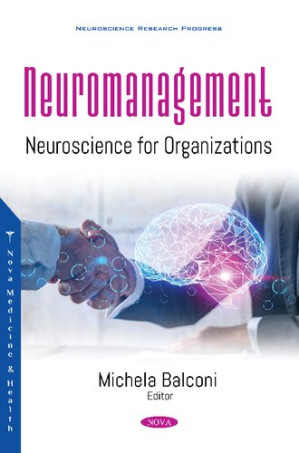
Neuromanagement : neuroscience for organizations 🔍
Michela Balconi
Nova Science Publishers, Incorporated, Neuroscience research progress series, New York, 2021
英语 [en] · PDF · 7.7MB · 2021 · 📘 非小说类图书 · 🚀/lgli/lgrs/nexusstc/upload/zlib · Save
描述
"This book focuses on applying neuroscience to organizational and managerial contexts, observing its possible applications, present and future potentials, and highlighting the possible criticalities of using neuroscientific paradigms and techniques applied to the management field. Specifically, the first part of the volume aims to offer an overview of how the adoption of an approach and a "neuroscientific mentality" allows to analyze and promote a change, with a view to the promotion of some fundamental components in the organizational context, such as leadership, confident behavior, business morality and ethics, and stress management. In particular, each of these components is observed through a neuroscientific perspective to offer elements for the promotion of a climate of well-being in the workplace. These aspects are also taken up in the second part of the volume, which focuses mainly on the application of neuroscience to the organizational context, providing evidence on how the use of specific neuroscientific techniques and paradigms, such as those of neuroassessment and neuroenhancement, allows to evaluate and strengthen the executive functions of individuals, to better manage the stress levels and the emotional load of individuals by improving their work performance. In addition to highlighting the impact and effectiveness of some neuroscientific paradigms, the second part of this book highlights the impact of Industry 4.0 on automation and technological developments, such as distance learning in the workplace, from a neuroscientific point of view. Therefore, this book aims to provide a broad overview of how neuroscience within the organizational context allows to fully explore individuals' behavior by "modifying" it to promote well-being, functional management of stress, and promote a generative climate and encourage trust"-- Provided by publisher
备用文件名
upload/newsarch_ebooks_2025_10/2021/07/11/1536195626.pdf
备用文件名
lgli/T:\lg_torr_restore_lg\3024000/cd7123377d562e9eac0cb13d0c64bdee..pdf
备用文件名
nexusstc/Neuromanagement: Neuroscience for Organizations/cd7123377d562e9eac0cb13d0c64bdee.pdf
备用文件名
lgrsnf/sanet.st-Neuromanagement_Neuroscience_for_Organizations.pdf
备用文件名
zlib/Medicine/Michela Balconi/Neuromanagement: Neuroscience for Organizations_16683614.pdf
备选标题
Chapter 1
备选作者
Balconi, Michela;
备选作者
Frank Columbus
备用出版商
Nova Medicine and Health
备用版本
Nova Science Publishers, Inc., New York, 2021
备用版本
United States, United States of America
元数据中的注释
SoftArchive (sanet.st)
元数据中的注释
lg3050980
元数据中的注释
producers:
Microsoft® Word 2013
Microsoft® Word 2013
元数据中的注释
{"isbns":["1536195626","9781536195620"],"last_page":182,"publisher":"Nova Science Publishers","series":"Neuroscience Research Progress"}
备用描述
Contents 7
Introduction 9
Part I: Fundamentals 13
Chapter 1 15
Leaders’ Brains: How to Discover and Improve Them 15
Abstract 15
1. Definition of Leadership and Neuroleadership 16
2. Leadership’s Style One: The “Inspirational” Leader 17
3. Ladership’s Style Two: Of the “Generative” Leader 19
4. How Leadership Style Affects Employees’ Evaluation 22
5. When Emotional Synthonization Occurs between Leader and Employee 23
6. Neural Synthonization: From Single-Brain to Inter-Brain Connectivity 24
7. Neuroscience and Leadership: Advantages and Criticalities 26
References 28
Chapter 2 37
Trusting and Rewarded Brains 37
Abstract 37
1. Performance and Well-Being: The Role of Trust and Empathy 38
2. The Role of Hormones in Trust 41
3. Trusting and Leadership 42
4. The Value of Promises in Promoting Trust 45
References 47
Chapter 3 53
To Be or Not to Be Moral in Organizations? 53
Abstract 53
1. The Moral Decision-Making as a Dual Process: Methodological Issues 54
2. Cognition and Emotion in Moral Decision-Making: The Role of Empathy at the Workplace 58
3. The Influence of Unconscious Processes in Moral Decision-Making 61
4. The Neural Correlates of Morality and Moral Decision-Making 62
5. How Personal or Other Interests Influence Moral Decision-Making 63
6. The Influence of Self-Monitoring Skills and Moral Self in Moral Decision-Making 65
References 68
Chapter 4 79
Un-Stressed Mind: Neuroscientific Applications for Stress Management at the Workplace 79
Abstract 79
1. Effects of Stress in the Workplace 80
2. Techniques and Interventions for the Management of Stress in the Company 83
Conclusion 87
References 88
Part II: The Applications 95
Chapter 5 97
Neuroassessment: Neurometrics for Assessment in Organizations 97
Abstract 97
1. Integrating Neuroscience Discipline into the Company for Assessment 98
2. The Triadic Model (TRM Model) for Neuroassessment and Neuroempowerment 100
3. Neuroassessment Applied to the Evaluation ofthe Human Potential 102
4. Neuroassessment Applied to the Interpersonal Interactions 105
References 107
Chapter 6 109
From the Evaluation of Executive Functions (EFs) to Neuroempowerment for Organizations 109
Abstract 109
1. The What and Why of Deepening Executive Functions in Organizations 110
2. Neuroscience-Based Tool for Assessing EFs in the Company 113
3. Applied Neurocognitive Protocols for “Neuroempowering” EFs 117
References 119
Chapter 7 123
Neurocognitive Enhancement in Organizations: Challenges and Opportunities 123
Abstract 123
1. What Is Neuroenhancement and What Kind of Added Value in Organizations? 124
2. Neuroscientific Methods and Tools for Neuroenhancement for Professionals 127
3. Neuroenhancement at the Workplace: A Training Protocol Applied to Managers 132
4. Preventive Neurocognitive Interventions for Age Management 134
5. Opportunities and Actual Challenges 135
References 137
Chapter 8 145
Industry 4.0 and Automation: The Contribution of Applied Neuroscience 145
Abstract 145
1. What New 146
2. The Contribution of Applied Neuroscience 147
to Industry 4.0 and the Industrial Revolution 147
2.1. Biometric Data for Interfaces and Artificial Supportive Agents 148
2.2. Operational Excellence: How to Monitor Automation 150
of Strategical Resource Management Processes with EEG 150
2.3. Human-Robot-Interaction and Neuroergonomics: The “Co-Bot” Example 151
2.4. New Challenges and Perspectives: The Applications to Neuroergonomics 152
Conclusion 153
References 154
Chapter 9 159
Digital-Learning for Organization: Insights from Cognitive Neuroscience 159
Abstract 159
1. The Contribution of Cognitive and Educational Neuroscience to Workplace Digital-Learning 160
2. The Way Multimedia Information Is Captured, Processed, Assimilated, and Transcribed into Knowledge 162
3. Assessment of Digital-Learning Efficacy Using Neurometric and Physiological Performance Markers 167
Conclusion 169
References 170
About the Editor 175
Index 177
Blank Page 2
Blank Page 185
Introduction 9
Part I: Fundamentals 13
Chapter 1 15
Leaders’ Brains: How to Discover and Improve Them 15
Abstract 15
1. Definition of Leadership and Neuroleadership 16
2. Leadership’s Style One: The “Inspirational” Leader 17
3. Ladership’s Style Two: Of the “Generative” Leader 19
4. How Leadership Style Affects Employees’ Evaluation 22
5. When Emotional Synthonization Occurs between Leader and Employee 23
6. Neural Synthonization: From Single-Brain to Inter-Brain Connectivity 24
7. Neuroscience and Leadership: Advantages and Criticalities 26
References 28
Chapter 2 37
Trusting and Rewarded Brains 37
Abstract 37
1. Performance and Well-Being: The Role of Trust and Empathy 38
2. The Role of Hormones in Trust 41
3. Trusting and Leadership 42
4. The Value of Promises in Promoting Trust 45
References 47
Chapter 3 53
To Be or Not to Be Moral in Organizations? 53
Abstract 53
1. The Moral Decision-Making as a Dual Process: Methodological Issues 54
2. Cognition and Emotion in Moral Decision-Making: The Role of Empathy at the Workplace 58
3. The Influence of Unconscious Processes in Moral Decision-Making 61
4. The Neural Correlates of Morality and Moral Decision-Making 62
5. How Personal or Other Interests Influence Moral Decision-Making 63
6. The Influence of Self-Monitoring Skills and Moral Self in Moral Decision-Making 65
References 68
Chapter 4 79
Un-Stressed Mind: Neuroscientific Applications for Stress Management at the Workplace 79
Abstract 79
1. Effects of Stress in the Workplace 80
2. Techniques and Interventions for the Management of Stress in the Company 83
Conclusion 87
References 88
Part II: The Applications 95
Chapter 5 97
Neuroassessment: Neurometrics for Assessment in Organizations 97
Abstract 97
1. Integrating Neuroscience Discipline into the Company for Assessment 98
2. The Triadic Model (TRM Model) for Neuroassessment and Neuroempowerment 100
3. Neuroassessment Applied to the Evaluation ofthe Human Potential 102
4. Neuroassessment Applied to the Interpersonal Interactions 105
References 107
Chapter 6 109
From the Evaluation of Executive Functions (EFs) to Neuroempowerment for Organizations 109
Abstract 109
1. The What and Why of Deepening Executive Functions in Organizations 110
2. Neuroscience-Based Tool for Assessing EFs in the Company 113
3. Applied Neurocognitive Protocols for “Neuroempowering” EFs 117
References 119
Chapter 7 123
Neurocognitive Enhancement in Organizations: Challenges and Opportunities 123
Abstract 123
1. What Is Neuroenhancement and What Kind of Added Value in Organizations? 124
2. Neuroscientific Methods and Tools for Neuroenhancement for Professionals 127
3. Neuroenhancement at the Workplace: A Training Protocol Applied to Managers 132
4. Preventive Neurocognitive Interventions for Age Management 134
5. Opportunities and Actual Challenges 135
References 137
Chapter 8 145
Industry 4.0 and Automation: The Contribution of Applied Neuroscience 145
Abstract 145
1. What New 146
2. The Contribution of Applied Neuroscience 147
to Industry 4.0 and the Industrial Revolution 147
2.1. Biometric Data for Interfaces and Artificial Supportive Agents 148
2.2. Operational Excellence: How to Monitor Automation 150
of Strategical Resource Management Processes with EEG 150
2.3. Human-Robot-Interaction and Neuroergonomics: The “Co-Bot” Example 151
2.4. New Challenges and Perspectives: The Applications to Neuroergonomics 152
Conclusion 153
References 154
Chapter 9 159
Digital-Learning for Organization: Insights from Cognitive Neuroscience 159
Abstract 159
1. The Contribution of Cognitive and Educational Neuroscience to Workplace Digital-Learning 160
2. The Way Multimedia Information Is Captured, Processed, Assimilated, and Transcribed into Knowledge 162
3. Assessment of Digital-Learning Efficacy Using Neurometric and Physiological Performance Markers 167
Conclusion 169
References 170
About the Editor 175
Index 177
Blank Page 2
Blank Page 185
开源日期
2021-07-11
🚀 快速下载
成为会员以支持书籍、论文等的长期保存。为了感谢您对我们的支持,您将获得高速下载权益。❤️
🐢 低速下载
由可信的合作方提供。 更多信息请参见常见问题解答。 (可能需要验证浏览器——无限次下载!)
- 低速服务器(合作方提供) #1 (稍快但需要排队)
- 低速服务器(合作方提供) #2 (稍快但需要排队)
- 低速服务器(合作方提供) #3 (稍快但需要排队)
- 低速服务器(合作方提供) #4 (稍快但需要排队)
- 低速服务器(合作方提供) #5 (无需排队,但可能非常慢)
- 低速服务器(合作方提供) #6 (无需排队,但可能非常慢)
- 低速服务器(合作方提供) #7 (无需排队,但可能非常慢)
- 低速服务器(合作方提供) #8 (无需排队,但可能非常慢)
- 低速服务器(合作方提供) #9 (无需排队,但可能非常慢)
- 下载后: 在我们的查看器中打开
所有选项下载的文件都相同,应该可以安全使用。即使这样,从互联网下载文件时始终要小心。例如,确保您的设备更新及时。
外部下载
-
对于大文件,我们建议使用下载管理器以防止中断。
推荐的下载管理器:JDownloader -
您将需要一个电子书或 PDF 阅读器来打开文件,具体取决于文件格式。
推荐的电子书阅读器:Anna的档案在线查看器、ReadEra和Calibre -
使用在线工具进行格式转换。
推荐的转换工具:CloudConvert和PrintFriendly -
您可以将 PDF 和 EPUB 文件发送到您的 Kindle 或 Kobo 电子阅读器。
推荐的工具:亚马逊的“发送到 Kindle”和djazz 的“发送到 Kobo/Kindle” -
支持作者和图书馆
✍️ 如果您喜欢这个并且能够负担得起,请考虑购买原版,或直接支持作者。
📚 如果您当地的图书馆有这本书,请考虑在那里免费借阅。
下面的文字仅以英文继续。
总下载量:
“文件的MD5”是根据文件内容计算出的哈希值,并且基于该内容具有相当的唯一性。我们这里索引的所有影子图书馆都主要使用MD5来标识文件。
一个文件可能会出现在多个影子图书馆中。有关我们编译的各种数据集的信息,请参见数据集页面。
有关此文件的详细信息,请查看其JSON 文件。 Live/debug JSON version. Live/debug page.