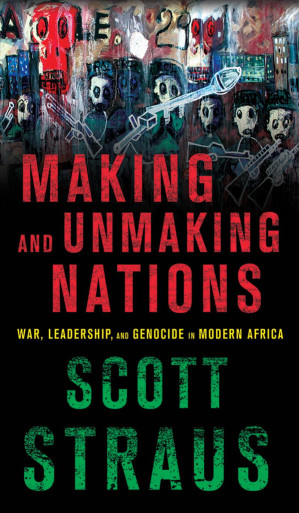
upload/alexandrina/Collections/Project-Muse/Cornell University Press/Making and Unmaking Nations- War, Leadership, and Genocide in Modern Africa.pdf
Making and Unmaking Nations : War, Leadership, and Genocide in Modern Africa 🔍
by Scott Straus
Cornell University Press, Lightning Source Inc. (Tier 3), Ithaca, 2015
英语 [en] · PDF · 4.0MB · 2015 · 📘 非小说类图书 · 🚀/lgli/upload/zlib · Save
描述
Winner of the Grawmeyer Award for Ideas Improving World Order, 2018
Winner of the Joseph Lepgold Prize
Winner of the Best Books in Conflict Studies (APSA)
Winner of the Best Book in Human Rights (ISA)
In Making and Unmaking Nations , Scott Straus seeks to explain why and how genocide takes place—and, perhaps more important, how it has been avoided in places where it may have seemed likely or even inevitable. To solve that puzzle, he examines postcolonial Africa, analyzing countries in which genocide occurred and where it could have but did not. Why have there not been other Rwandas? Straus finds that deep-rooted ideologies—how leaders make their nations—shape strategies of violence and are central to what leads to or away from genocide. Other critical factors include the dynamics of war, the role of restraint, and the interaction between national and local actors in the staging of campaigns of large-scale violence.
Grounded in Straus's extensive fieldwork in contemporary Africa, the study of major twentieth-century cases of genocide, and the literature on genocide and political violence, Making and Unmaking Nations centers on cogent analyses of three nongenocide cases (Côte d'Ivoire, Mali, and Senegal) and two in which genocide took place (Rwanda and Sudan). Straus's empirical analysis is based in part on an original database of presidential speeches from 1960 to 2005. The book also includes a broad-gauge analysis of all major cases of large-scale violence in Africa since decolonization. Straus's insights into the causes of genocide will inform the study of political violence as well as giving policymakers and nongovernmental organizations valuable tools for the future.
Winner of the Joseph Lepgold Prize
Winner of the Best Books in Conflict Studies (APSA)
Winner of the Best Book in Human Rights (ISA)
In Making and Unmaking Nations , Scott Straus seeks to explain why and how genocide takes place—and, perhaps more important, how it has been avoided in places where it may have seemed likely or even inevitable. To solve that puzzle, he examines postcolonial Africa, analyzing countries in which genocide occurred and where it could have but did not. Why have there not been other Rwandas? Straus finds that deep-rooted ideologies—how leaders make their nations—shape strategies of violence and are central to what leads to or away from genocide. Other critical factors include the dynamics of war, the role of restraint, and the interaction between national and local actors in the staging of campaigns of large-scale violence.
Grounded in Straus's extensive fieldwork in contemporary Africa, the study of major twentieth-century cases of genocide, and the literature on genocide and political violence, Making and Unmaking Nations centers on cogent analyses of three nongenocide cases (Côte d'Ivoire, Mali, and Senegal) and two in which genocide took place (Rwanda and Sudan). Straus's empirical analysis is based in part on an original database of presidential speeches from 1960 to 2005. The book also includes a broad-gauge analysis of all major cases of large-scale violence in Africa since decolonization. Straus's insights into the causes of genocide will inform the study of political violence as well as giving policymakers and nongovernmental organizations valuable tools for the future.
备用文件名
lgli/R:\Project-Muse\md5_rep\CD8D06194C663EEF073B9EE7176242E4.pdf
备用文件名
zlib/no-category/by Scott Straus/Making and Unmaking Nations: War, Leadership, and Genocide in Modern Africa_28063250.pdf
备选标题
Making and Unmaking Nations : The Origins and Dynamics of Genocide in Contemporary Africa
备选作者
Project MUSE (https://muse.jhu.edu/)
备选作者
Scott Straus, 1970-
备选作者
Straus, Scott
备用出版商
Comstock Publishing Associates
备用版本
United States, United States of America
备用版本
Ithaca [New York, 2015
备用版本
Illustrated, PS, 2015
备用版本
1st ed, Ithaca, 2015
备用版本
1, 20150315
元数据中的注释
producers:
Muse-DL/1.1.2
Muse-DL/1.1.2
备用描述
Cover 1
Title Page, Copyright Page 2
Contents 8
Preface 10
Introduction: The Puzzle of Genocide 16
Part I: Concepts and Theory 30
1. The Concept and Logic of Genocide 32
2. Escalation and Restraint 49
3. A Theory of Genocide 69
Part II: Empirics 102
4. Mass Categorical Violence and Genocide in Sub-Saharan Africa, 1960–2008 104
5. Retreating from the Brink in Côte d’Ivoire 138
6. The Politics of Dialogue in Mali 184
7. Pluralism and Accommodation in Senegal 220
8. Endangered Arab-Islamic Nationalism in Sudan 247
9. Fighting for the Hutu Revolution in Rwanda 288
Conclusion: Making Nations and Preventing Their Unmaking 337
Appendix 348
References 358
Index 394
Publisher:Cornell University Press,Published:2015,ISBN:9780801455681,Related ISBN:9780801479687,Language:English,OCLC:1080550576
In Making and Unmaking Nations, Scott Straus seeks to explain why and how genocide takes place—and, perhaps more important, how it has been avoided in places where it may have seemed likely or even inevitable. To solve that puzzle, he examines postcolonial Africa, analyzing countries in which genocide occurred and where it could have but did not. Why have there not been other Rwandas? Straus finds that deep-rooted ideologies—how leaders make their nations—shape strategies of violence and are central to what leads to or away from genocide. Other critical factors include the dynamics of war, the role of restraint, and the interaction between national and local actors in the staging of campaigns of large-scale violence. Grounded in Straus's extensive fieldwork in contemporary Africa, the study of major twentieth-century cases of genocide, and the literature on genocide and political violence, Making and Unmaking Nations centers on cogent analyses of three nongenocide cases (Côte d’Ivoire, Mali, and Senegal) and two in which genocide took place (Rwanda and Sudan). Straus’s empirical analysis is based in part on an original database of presidential speeches from 1960 to 2005. The book also includes a broad-gauge analysis of all major cases of large-scale violence in Africa since decolonization. Straus’s insights into the causes of genocide will inform the study of political violence as well as giving policymakers and nongovernmental organizations valuable tools for the future.
Title Page, Copyright Page 2
Contents 8
Preface 10
Introduction: The Puzzle of Genocide 16
Part I: Concepts and Theory 30
1. The Concept and Logic of Genocide 32
2. Escalation and Restraint 49
3. A Theory of Genocide 69
Part II: Empirics 102
4. Mass Categorical Violence and Genocide in Sub-Saharan Africa, 1960–2008 104
5. Retreating from the Brink in Côte d’Ivoire 138
6. The Politics of Dialogue in Mali 184
7. Pluralism and Accommodation in Senegal 220
8. Endangered Arab-Islamic Nationalism in Sudan 247
9. Fighting for the Hutu Revolution in Rwanda 288
Conclusion: Making Nations and Preventing Their Unmaking 337
Appendix 348
References 358
Index 394
Publisher:Cornell University Press,Published:2015,ISBN:9780801455681,Related ISBN:9780801479687,Language:English,OCLC:1080550576
In Making and Unmaking Nations, Scott Straus seeks to explain why and how genocide takes place—and, perhaps more important, how it has been avoided in places where it may have seemed likely or even inevitable. To solve that puzzle, he examines postcolonial Africa, analyzing countries in which genocide occurred and where it could have but did not. Why have there not been other Rwandas? Straus finds that deep-rooted ideologies—how leaders make their nations—shape strategies of violence and are central to what leads to or away from genocide. Other critical factors include the dynamics of war, the role of restraint, and the interaction between national and local actors in the staging of campaigns of large-scale violence. Grounded in Straus's extensive fieldwork in contemporary Africa, the study of major twentieth-century cases of genocide, and the literature on genocide and political violence, Making and Unmaking Nations centers on cogent analyses of three nongenocide cases (Côte d’Ivoire, Mali, and Senegal) and two in which genocide took place (Rwanda and Sudan). Straus’s empirical analysis is based in part on an original database of presidential speeches from 1960 to 2005. The book also includes a broad-gauge analysis of all major cases of large-scale violence in Africa since decolonization. Straus’s insights into the causes of genocide will inform the study of political violence as well as giving policymakers and nongovernmental organizations valuable tools for the future.
备用描述
In Making And Unmaking Nations, Scott Straus Seeks To Explain Why And How Genocide Takes Place—and, Perhaps More Important, How It Has Been Avoided In Places Where It May Have Seemed Likely Or Even Inevitable. To Solve That Puzzle, He Examines Postcolonial Africa, Analyzing Countries In Which Genocide Occurred And Where It Could Have But Did Not. Why Have There Not Been Other Rwandas? Straus Finds That Deep-rooted Ideologies—how Leaders Make Their Nations—shape Strategies Of Violence And Are Central To What Leads To Or Away From Genocide. Other Critical Factors Include The Dynamics Of War, The Role Of Restraint, And The Interaction Between National And Local Actors In The Staging Of Campaigns Of Large-scale Violence. Grounded In Straus's Extensive Fieldwork In Contemporary Africa, The Study Of Major Twentieth-century Cases Of Genocide, And The Literature On Genocide And Political Violence, Making And Unmaking Nations Centers On Cogent Analyses Of Three Nongenocide Cases (côte D’ivoire, Mali, And Senegal) And Two In Which Genocide Took Place (rwanda And Sudan). Straus’s Empirical Analysis Is Based In Part On An Original Database Of Presidential Speeches From 1960 To 2005. The Book Also Includes A Broad-gauge Analysis Of All Major Cases Of Large-scale Violence In Africa Since Decolonization. Straus’s Insights Into The Causes Of Genocide Will Inform The Study Of Political Violence As Well As Giving Policymakers And Nongovernmental Organizations Valuable Tools For The Future. --provided By Publisher. Introduction : The Puzzle Of Genocide -- The Concept And Logic Of Genocide -- Escalation And Restraint -- A Theory Of Genocide -- Patterns Of Genocide And Mass Categorical Violence In Sub-saharan Africa, 1960-2008 -- Retreating From The Brink In Côte D'ivoire -- The Politics Of Dialogue In Mali -- Pluralism And Accommodation In Senegal -- Endangered Arab-islamic Nationalism In Sudan -- Fighting For The Hutu Revolution In Rwanda -- Conclusion : Making Nations And Preventing Their Unmaking. Scott Straus. Includes Bibliographical References And Index.
备用描述
Winner of the Grawmeyer Award for Ideas Improving World Order, 2018
Winner of the Joseph Lepgold Prize
Winner of the Best Books in Conflict Studies (APSA)
Winner of the Best Book in Human Rights (ISA)
In Making and Unmaking Nations , Scott Straus seeks to explain why and how genocide takes place—and, perhaps more important, how it has been avoided in places where it may have seemed likely or even inevitable. To solve that puzzle, he examines postcolonial Africa, analyzing countries in which genocide occurred and where it could have but did not. Why have there not been other Rwandas? Straus finds that deep-rooted ideologies—how leaders make their nations—shape strategies of violence and are central to what leads to or away from genocide. Other critical factors include the dynamics of war, the role of restraint, and the interaction between national and local actors in the staging of campaigns of large-scale violence.
Grounded in Straus's extensive fieldwork in contemporary Africa, the study of major twentieth-century cases of genocide, and the literature on genocide and political violence, Making and Unmaking Nations centers on cogent analyses of three nongenocide cases (Côte d'Ivoire, Mali, and Senegal) and two in which genocide took place (Rwanda and Sudan). Straus's empirical analysis is based in part on an original database of presidential speeches from 1960 to 2005. The book also includes a broad-gauge analysis of all major cases of large-scale violence in Africa since decolonization. Straus's insights into the causes of genocide will inform the study of political violence as well as giving policymakers and nongovernmental organizations valuable tools for the future.
Winner of the Joseph Lepgold Prize
Winner of the Best Books in Conflict Studies (APSA)
Winner of the Best Book in Human Rights (ISA)
In Making and Unmaking Nations , Scott Straus seeks to explain why and how genocide takes place—and, perhaps more important, how it has been avoided in places where it may have seemed likely or even inevitable. To solve that puzzle, he examines postcolonial Africa, analyzing countries in which genocide occurred and where it could have but did not. Why have there not been other Rwandas? Straus finds that deep-rooted ideologies—how leaders make their nations—shape strategies of violence and are central to what leads to or away from genocide. Other critical factors include the dynamics of war, the role of restraint, and the interaction between national and local actors in the staging of campaigns of large-scale violence.
Grounded in Straus's extensive fieldwork in contemporary Africa, the study of major twentieth-century cases of genocide, and the literature on genocide and political violence, Making and Unmaking Nations centers on cogent analyses of three nongenocide cases (Côte d'Ivoire, Mali, and Senegal) and two in which genocide took place (Rwanda and Sudan). Straus's empirical analysis is based in part on an original database of presidential speeches from 1960 to 2005. The book also includes a broad-gauge analysis of all major cases of large-scale violence in Africa since decolonization. Straus's insights into the causes of genocide will inform the study of political violence as well as giving policymakers and nongovernmental organizations valuable tools for the future.
备用描述
In 'Making and Unmaking Nations', Scott Straus seeks to explain why and how genocide takes place - and, perhaps more important, how it has been avoided in places where it may have seemed likely or even inevitable. To solve that puzzle, he examines postcolonial Africa, analyzing countries in which genocide occurred and where it could have but did not. Why have there not been other Rwandas? Straus finds that deep-rooted ideologies - how leaders make their nations - shape strategies of violence and are central to what leads to or away from genocide. Other critical factors include the dynamics of war, the role of restraint, and the interaction between national and local actors in the staging of campaigns of large-scale violence. 0Grounded in Straus's extensive fieldwork in contemporary Africa, the study of major twentieth-century cases of genocide, and the literature on genocide and political violence, 'Making and Unmaking Nations' centers on cogent analyses of three nongenocide cases (Côte d’Ivoire, Mali, and Senegal) and two in which genocide took place (Rwanda and Sudan). Straus’s empirical analysis is based in part on an original database of presidential speeches from 1960 to 2005. The book also includes a broad-gauge analysis of all major cases of large-scale violence in Africa since decolonization. Straus’s insights into the causes of genocide will inform the study of political violence as well as giving policymakers and nongovernmental organizations valuable tools for the future
开源日期
2022-03-08
🚀 快速下载
成为会员以支持书籍、论文等的长期保存。为了感谢您对我们的支持,您将获得高速下载权益。❤️
🐢 低速下载
由可信的合作方提供。 更多信息请参见常见问题解答。 (可能需要验证浏览器——无限次下载!)
- 低速服务器(合作方提供) #1 (稍快但需要排队)
- 低速服务器(合作方提供) #2 (稍快但需要排队)
- 低速服务器(合作方提供) #3 (稍快但需要排队)
- 低速服务器(合作方提供) #4 (稍快但需要排队)
- 低速服务器(合作方提供) #5 (无需排队,但可能非常慢)
- 低速服务器(合作方提供) #6 (无需排队,但可能非常慢)
- 低速服务器(合作方提供) #7 (无需排队,但可能非常慢)
- 低速服务器(合作方提供) #8 (无需排队,但可能非常慢)
- 低速服务器(合作方提供) #9 (无需排队,但可能非常慢)
- 下载后: 在我们的查看器中打开
所有选项下载的文件都相同,应该可以安全使用。即使这样,从互联网下载文件时始终要小心。例如,确保您的设备更新及时。
外部下载
-
对于大文件,我们建议使用下载管理器以防止中断。
推荐的下载管理器:JDownloader -
您将需要一个电子书或 PDF 阅读器来打开文件,具体取决于文件格式。
推荐的电子书阅读器:Anna的档案在线查看器、ReadEra和Calibre -
使用在线工具进行格式转换。
推荐的转换工具:CloudConvert和PrintFriendly -
您可以将 PDF 和 EPUB 文件发送到您的 Kindle 或 Kobo 电子阅读器。
推荐的工具:亚马逊的“发送到 Kindle”和djazz 的“发送到 Kobo/Kindle” -
支持作者和图书馆
✍️ 如果您喜欢这个并且能够负担得起,请考虑购买原版,或直接支持作者。
📚 如果您当地的图书馆有这本书,请考虑在那里免费借阅。
下面的文字仅以英文继续。
总下载量:
“文件的MD5”是根据文件内容计算出的哈希值,并且基于该内容具有相当的唯一性。我们这里索引的所有影子图书馆都主要使用MD5来标识文件。
一个文件可能会出现在多个影子图书馆中。有关我们编译的各种数据集的信息,请参见数据集页面。
有关此文件的详细信息,请查看其JSON 文件。 Live/debug JSON version. Live/debug page.