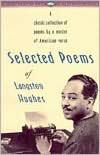
Selected Poems of Langston Hughes: A Classic Collection of Poems by a Master of American Verse (Vintage Classics) 🔍
Langston Hughes
Vintage Books, 1985
英语 [en] · EPUB · 1.8MB · 1985 · 📗 未知类型的图书 · 🚀/upload/zlib · Save
描述
With the publication of his first book of poems, **The Weary Blues**, in 1926, Langston Hughes electrified readers and launched a renaissance in black writing in America. The poems Hughes wrote celebrated the experience of invisible men and women: of slaves who "rushed the boots of Washington"; of musicians on Lenox Avenue; of the poor and the lovesick; of losers in "the raffle of night." They conveyed that experience in a voice that blended the spoken with the sung, that turned poetic lines into the phrases of jazz and blues, and that ripped through the curtain separating high from popular culture. They spanned the range from the lyric to the polemic, ringing out "wonder and pain and terror-- and the marrow of the bone of life."
The poems in this collection were chosen by Hughes himself shortly before his death in 1967 and represent work from his entire career, including "The Negro Speaks of Rivers," "The Weary Blues," "Still Here," "Song for a Dark Girl," "Montage of a Dream Deferred," and "Refugee in America." It gives us a poet of extraordinary range, directness, and stylistic virtuosity.
### Review
125th Street 50-50 Advice Africa Afro-american Fragment American Heartbreak Angels Wings Ardella Argument As Befits A Man As I Grew Older Aunt Sue's Stories Bad Luck Card Bad Morning Ballad Of A Man Who's Gone Ballad Of The Fortune Teller Ballad Of The Girl Whose Name Is Mud Ballad Of The Gypsy Ballad Of The Landlord Bar Be-bop Boys Beale Street Black Maria A Black Pierrot Blue Bayou Blue Monday Blues At Dawn Boogie: 1 A.m. Border Line Bound No'th Blues Brothers Buddy Cafe: 3 A.m. Casualty Catch Children's Rhymes (1) Chord College Formal: Renaissance Casino Comment On Curb Consider Me Cora Corner Meeting Could Be Croon Cross Crossing Dancer Danse Africaine Daybreak In Alabama Dead In There Deferred Delinquent Demand Democracy Desert Desire Dime Dive Down And Out Dream Dream Boogie Dream Boogie: Variation Dream Dust Dream Variations [or, Variation] Drum Drunkard Early Evening Quarrel Easy Boogie Elevator Boy End Ennui Evening Song Evil Fact Fantasy In Purple Feet O' Jesus Final Curve Fire Fired Flatted Fifths Freedom Train Freedom's Plow Fulfilment Garden Gauge Genius Child Georgia Dusk Gone Boy Good Morning Graduation Green Memory Gypsy Melodies Hard Daddy Harlem Harlem Night Song Havana Dreams Heaven High To Low Homecoming Hope Hope A House In Taos I, Too In Explanation Of Our Times In Time Of Silver Rain Interne At Provident Island (1) Island (2) Jam Session Joe Louis Joy Judgment Day Juke Box Love Song Juliet Kid In The Park Kid Sleepy Ku Klux Lady's Boogie Late Last Night Letter Life Is Fine Likewise Litany Little Green Tree Little Lyric (of Great Importance) Live And Let Live Long Trip Love Lover's Return Low To High Luck Lunch In A Jim Crow Car Madam And Her Madam Madam And Her Might-have-been Madam And The Census Man Madam And The Charity Child Madam And The Fortune Teller Madam And The Minister Madam And The Number Writer Madam And The Phone Bill Madam And The Rent Man Madam And The Wrong Visitor Madam's Calling Cards Madam's Past History Magnolia Flowers Mama And Daughter March Moon Maybe Me And The Mule Mellow Merry-go-round Mexican Market Woman Midnight Dancer: To A Balck Dancer In The Little Savoy Midnight Raffle Midwinter Blues Migrant Misery Miss Blues'es Child Monroe's Blues Moonlight Night: Carmel Morning After Mother To Son Motto Movies Mulatto My People Mystery Natcha Necessity Negro The Negro Mother The Negro Speaks Of Rivers Neighbor Neon Signs New Yorkers Night Funeral In Harlem Night: Four Songs Nightmare Boogie No Regrets Not A Movie Note On Commercial Theatre Numbers October 16: The Raid Old Walt One One-way Ticket Parade Passing Personal Port Town Porter Prayer Prayer Meeting Preference Projection Puzzled Question (2) Railroad Avenue Refugee In America Relief Request Reverie On The Harlem River Roland Hayes Beaten (georgia: 1942) Ruby Brown S-sss-ss-sh Same In Blues Sea Calm Seascape Shame On You Share-croppers Shout Sinner Sister Situation Sliver Sliver Of Sermon Snail So Long Song For A Dark Girl Song For Billie Holiday The South Southern Mammy Sings Spirituals Stars Still Here Stony Lonesome Strange Hurt [she Knows] Street Song Subway Rush Hour Suicide's Note Summer Evening Sun Song Sunday By The Combination Sunday Morning Prophecy Sylvester's Dying Bed Tag Tambourines Tell Me Testimonial Theme For English B Third Degree Three Songs About Lynching: Silhouette To Artina To Be Somebody Tomorrow Troubled Woman Trumpet Player Ultimatum Uncle Tom Up-beat Vagabonds Wake Warning Warning: Augmented Water-front Streets The Weary Blues West Texas What? What? So Soon! When Sue Wears Red Who But The Lord? Widow Woman Wine-o Winter Moon Wonder World War Ii Young Gal's Blues Young Sailor -- *Table of Poems from Poem Finder®*
### From the Inside Flap
With the publication of his first book of poems, **The Weary Blues**, in 1926, Langston Hughes electrified readers and launched a renaissance in black writing in America. The poems Hughes wrote celebrated the experience of invisible men and women: of slaves who "rushed the boots of Washington"; of musicians on Lenox Avenue; of the poor and the lovesick; of losers in "the raffle of night." They conveyed that experience in a voice that blended the spoken with the sung, that turned poetic lines into the phrases of jazz and blues, and that ripped through the curtain separating high from popular culture. They spanned the range from the lyric to the polemic, ringing out "wonder and pain and terror-- and the marrow of the bone of life."
The poems in this collection were chosen by Hughes himself shortly before his death in 1967 and represent work from his entire career, including "The Negro Speaks of Rivers," "The Weary Blues," "Still Here," "Song for a Dark Girl," "Montage of a Dream Deferred," and "Refugee in America." It gives us a poet of extraordinary range, directness, and stylistic virtuosity.
The poems in this collection were chosen by Hughes himself shortly before his death in 1967 and represent work from his entire career, including "The Negro Speaks of Rivers," "The Weary Blues," "Still Here," "Song for a Dark Girl," "Montage of a Dream Deferred," and "Refugee in America." It gives us a poet of extraordinary range, directness, and stylistic virtuosity.
### Review
125th Street 50-50 Advice Africa Afro-american Fragment American Heartbreak Angels Wings Ardella Argument As Befits A Man As I Grew Older Aunt Sue's Stories Bad Luck Card Bad Morning Ballad Of A Man Who's Gone Ballad Of The Fortune Teller Ballad Of The Girl Whose Name Is Mud Ballad Of The Gypsy Ballad Of The Landlord Bar Be-bop Boys Beale Street Black Maria A Black Pierrot Blue Bayou Blue Monday Blues At Dawn Boogie: 1 A.m. Border Line Bound No'th Blues Brothers Buddy Cafe: 3 A.m. Casualty Catch Children's Rhymes (1) Chord College Formal: Renaissance Casino Comment On Curb Consider Me Cora Corner Meeting Could Be Croon Cross Crossing Dancer Danse Africaine Daybreak In Alabama Dead In There Deferred Delinquent Demand Democracy Desert Desire Dime Dive Down And Out Dream Dream Boogie Dream Boogie: Variation Dream Dust Dream Variations [or, Variation] Drum Drunkard Early Evening Quarrel Easy Boogie Elevator Boy End Ennui Evening Song Evil Fact Fantasy In Purple Feet O' Jesus Final Curve Fire Fired Flatted Fifths Freedom Train Freedom's Plow Fulfilment Garden Gauge Genius Child Georgia Dusk Gone Boy Good Morning Graduation Green Memory Gypsy Melodies Hard Daddy Harlem Harlem Night Song Havana Dreams Heaven High To Low Homecoming Hope Hope A House In Taos I, Too In Explanation Of Our Times In Time Of Silver Rain Interne At Provident Island (1) Island (2) Jam Session Joe Louis Joy Judgment Day Juke Box Love Song Juliet Kid In The Park Kid Sleepy Ku Klux Lady's Boogie Late Last Night Letter Life Is Fine Likewise Litany Little Green Tree Little Lyric (of Great Importance) Live And Let Live Long Trip Love Lover's Return Low To High Luck Lunch In A Jim Crow Car Madam And Her Madam Madam And Her Might-have-been Madam And The Census Man Madam And The Charity Child Madam And The Fortune Teller Madam And The Minister Madam And The Number Writer Madam And The Phone Bill Madam And The Rent Man Madam And The Wrong Visitor Madam's Calling Cards Madam's Past History Magnolia Flowers Mama And Daughter March Moon Maybe Me And The Mule Mellow Merry-go-round Mexican Market Woman Midnight Dancer: To A Balck Dancer In The Little Savoy Midnight Raffle Midwinter Blues Migrant Misery Miss Blues'es Child Monroe's Blues Moonlight Night: Carmel Morning After Mother To Son Motto Movies Mulatto My People Mystery Natcha Necessity Negro The Negro Mother The Negro Speaks Of Rivers Neighbor Neon Signs New Yorkers Night Funeral In Harlem Night: Four Songs Nightmare Boogie No Regrets Not A Movie Note On Commercial Theatre Numbers October 16: The Raid Old Walt One One-way Ticket Parade Passing Personal Port Town Porter Prayer Prayer Meeting Preference Projection Puzzled Question (2) Railroad Avenue Refugee In America Relief Request Reverie On The Harlem River Roland Hayes Beaten (georgia: 1942) Ruby Brown S-sss-ss-sh Same In Blues Sea Calm Seascape Shame On You Share-croppers Shout Sinner Sister Situation Sliver Sliver Of Sermon Snail So Long Song For A Dark Girl Song For Billie Holiday The South Southern Mammy Sings Spirituals Stars Still Here Stony Lonesome Strange Hurt [she Knows] Street Song Subway Rush Hour Suicide's Note Summer Evening Sun Song Sunday By The Combination Sunday Morning Prophecy Sylvester's Dying Bed Tag Tambourines Tell Me Testimonial Theme For English B Third Degree Three Songs About Lynching: Silhouette To Artina To Be Somebody Tomorrow Troubled Woman Trumpet Player Ultimatum Uncle Tom Up-beat Vagabonds Wake Warning Warning: Augmented Water-front Streets The Weary Blues West Texas What? What? So Soon! When Sue Wears Red Who But The Lord? Widow Woman Wine-o Winter Moon Wonder World War Ii Young Gal's Blues Young Sailor -- *Table of Poems from Poem Finder®*
### From the Inside Flap
With the publication of his first book of poems, **The Weary Blues**, in 1926, Langston Hughes electrified readers and launched a renaissance in black writing in America. The poems Hughes wrote celebrated the experience of invisible men and women: of slaves who "rushed the boots of Washington"; of musicians on Lenox Avenue; of the poor and the lovesick; of losers in "the raffle of night." They conveyed that experience in a voice that blended the spoken with the sung, that turned poetic lines into the phrases of jazz and blues, and that ripped through the curtain separating high from popular culture. They spanned the range from the lyric to the polemic, ringing out "wonder and pain and terror-- and the marrow of the bone of life."
The poems in this collection were chosen by Hughes himself shortly before his death in 1967 and represent work from his entire career, including "The Negro Speaks of Rivers," "The Weary Blues," "Still Here," "Song for a Dark Girl," "Montage of a Dream Deferred," and "Refugee in America." It gives us a poet of extraordinary range, directness, and stylistic virtuosity.
备用文件名
trantor/en/Hughes, Langston/Selected poems of Langston Hughes.epub
备用文件名
zlib/no-category/Langston Hughes/Selected poems of Langston Hughes_84179413.epub
备选作者
Hughes, Langston
备用出版商
Alfred A. Knopf Books for Young Readers
备用出版商
Random House, Incorporated
备用出版商
Random House AudioBooks
备用版本
Vintage classics, Vintage classics ed., New York, New York State, 1990
备用版本
Vintage classics, Vintage classics edition, New York, 1990
备用版本
Penguin Random House LLC, New York, 1990
备用版本
United States, United States of America
备用版本
Reissue, PS, 1990
备用版本
New York, ©1959
备用描述
With the publication of his first book of poems, **The Weary Blues**, in 1926, Langston Hughes electrified readers and launched a renaissance in black writing in America. The poems Hughes wrote celebrated the experience of invisible men and women: of slaves who "rushed the boots of Washington"; of musicians on Lenox Avenue; of the poor and the lovesick; of losers in "the raffle of night." They conveyed that experience in a voice that blended the spoken with the sung, that turned poetic lines into the phrases of jazz and blues, and that ripped through the curtain separating high from popular culture. They spanned the range from the lyric to the polemic, ringing out "wonder and pain and terror-- and the marrow of the bone of life."
The poems in this collection were chosen by Hughes himself shortly before his death in 1967 and represent work from his entire career, including "The Negro Speaks of Rivers," "The Weary Blues," "Still Here," "Song for a Dark Girl," "Montage of a Dream Deferred," and "Refugee in America." It gives us a poet of extraordinary range, directness, and stylistic virtuosity.
### Review
125th Street
50-50
Advice
Africa
Afro-american Fragment
American Heartbreak
Angels Wings
Ardella
Argument
As Befits A Man
As I Grew Older
Aunt Sue's Stories
Bad Luck Card
Bad Morning
Ballad Of A Man Who's Gone
Ballad Of The Fortune Teller
Ballad Of The Girl Whose Name Is Mud
Ballad Of The Gypsy
Ballad Of The Landlord
Bar
Be-bop Boys
Beale Street
Black Maria
A Black Pierrot
Blue Bayou
Blue Monday
Blues At Dawn
Boogie: 1 A.m.
Border Line
Bound No'th Blues
Brothers
Buddy
Cafe: 3 A.m.
Casualty
Catch
Children's Rhymes (1)
Chord
College Formal: Renaissance Casino
Comment On Curb
Consider Me
Cora
Corner Meeting
Could Be
Croon
Cross
Crossing
Dancer
Danse Africaine
Daybreak In Alabama
Dead In There
Deferred
Delinquent
Demand
Democracy
Desert
Desire
Dime
Dive
Down And Out
Dream
Dream Boogie
Dream Boogie: Variation
Dream Dust
Dream Variations [or, Variation]
Drum
Drunkard
Early Evening Quarrel
Easy Boogie
Elevator Boy
End
Ennui
Evening Song
Evil
Fact
Fantasy In Purple
Feet O' Jesus
Final Curve
Fire
Fired
Flatted Fifths
Freedom Train
Freedom's Plow
Fulfilment
Garden
Gauge
Genius Child
Georgia Dusk
Gone Boy
Good Morning
Graduation
Green Memory
Gypsy Melodies
Hard Daddy
Harlem
Harlem Night Song
Havana Dreams
Heaven
High To Low
Homecoming
Hope
Hope
A House In Taos
I, Too
In Explanation Of Our Times
In Time Of Silver Rain
Interne At Provident
Island (1)
Island (2)
Jam Session
Joe Louis
Joy
Judgment Day
Juke Box Love Song
Juliet
Kid In The Park
Kid Sleepy
Ku Klux
Lady's Boogie
Late Last Night
Letter
Life Is Fine
Likewise
Litany
Little Green Tree
Little Lyric (of Great Importance)
Live And Let Live
Long Trip
Love
Lover's Return
Low To High
Luck
Lunch In A Jim Crow Car
Madam And Her Madam
Madam And Her Might-have-been
Madam And The Census Man
Madam And The Charity Child
Madam And The Fortune Teller
Madam And The Minister
Madam And The Number Writer
Madam And The Phone Bill
Madam And The Rent Man
Madam And The Wrong Visitor
Madam's Calling Cards
Madam's Past History
Magnolia Flowers
Mama And Daughter
March Moon
Maybe
Me And The Mule
Mellow
Merry-go-round
Mexican Market Woman
Midnight Dancer: To A Balck Dancer In The Little Savoy
Midnight Raffle
Midwinter Blues
Migrant
Misery
Miss Blues'es Child
Monroe's Blues
Moonlight Night: Carmel
Morning After
Mother To Son
Motto
Movies
Mulatto
My People
Mystery
Natcha
Necessity
Negro
The Negro Mother
The Negro Speaks Of Rivers
Neighbor
Neon Signs
New Yorkers
Night Funeral In Harlem
Night: Four Songs
Nightmare Boogie
No Regrets
Not A Movie
Note On Commercial Theatre
Numbers
October 16: The Raid
Old Walt
One
One-way Ticket
Parade
Passing
Personal
Port Town
Porter
Prayer
Prayer Meeting
Preference
Projection
Puzzled
Question (2)
Railroad Avenue
Refugee In America
Relief
Request
Reverie On The Harlem River
Roland Hayes Beaten (georgia: 1942)
Ruby Brown
S-sss-ss-sh
Same In Blues
Sea Calm
Seascape
Shame On You
Share-croppers
Shout
Sinner
Sister
Situation
Sliver
Sliver Of Sermon
Snail
So Long
Song For A Dark Girl
Song For Billie Holiday
The South
Southern Mammy Sings
Spirituals
Stars
Still Here
Stony Lonesome
Strange Hurt [she Knows]
Street Song
Subway Rush Hour
Suicide's Note
Summer Evening
Sun Song
Sunday By The Combination
Sunday Morning Prophecy
Sylvester's Dying Bed
Tag
Tambourines
Tell Me
Testimonial
Theme For English B
Third Degree
Three Songs About Lynching: Silhouette
To Artina
To Be Somebody
Tomorrow
Troubled Woman
Trumpet Player
Ultimatum
Uncle Tom
Up-beat
Vagabonds
Wake
Warning
Warning: Augmented
Water-front Streets
The Weary Blues
West Texas
What?
What? So Soon!
When Sue Wears Red
Who But The Lord?
Widow Woman
Wine-o
Winter Moon
Wonder
World War Ii
Young Gal's Blues
Young Sailor
-- *Table of Poems from Poem Finder®*
### From the Inside Flap
With the publication of his first book of poems, **The Weary Blues**, in 1926, Langston Hughes electrified readers and launched a renaissance in black writing in America. The poems Hughes wrote celebrated the experience of invisible men and women: of slaves who "rushed the boots of Washington"; of musicians on Lenox Avenue; of the poor and the lovesick; of losers in "the raffle of night." They conveyed that experience in a voice that blended the spoken with the sung, that turned poetic lines into the phrases of jazz and blues, and that ripped through the curtain separating high from popular culture. They spanned the range from the lyric to the polemic, ringing out "wonder and pain and terror-- and the marrow of the bone of life."
The poems in this collection were chosen by Hughes himself shortly before his death in 1967 and represent work from his entire career, including "The Negro Speaks of Rivers," "The Weary Blues," "Still Here," "Song for a Dark Girl," "Montage of a Dream Deferred," and "Refugee in America." It gives us a poet of extraordinary range, directness, and stylistic virtuosity.
Poetry
The poems in this collection were chosen by Hughes himself shortly before his death in 1967 and represent work from his entire career, including "The Negro Speaks of Rivers," "The Weary Blues," "Still Here," "Song for a Dark Girl," "Montage of a Dream Deferred," and "Refugee in America." It gives us a poet of extraordinary range, directness, and stylistic virtuosity.
### Review
125th Street
50-50
Advice
Africa
Afro-american Fragment
American Heartbreak
Angels Wings
Ardella
Argument
As Befits A Man
As I Grew Older
Aunt Sue's Stories
Bad Luck Card
Bad Morning
Ballad Of A Man Who's Gone
Ballad Of The Fortune Teller
Ballad Of The Girl Whose Name Is Mud
Ballad Of The Gypsy
Ballad Of The Landlord
Bar
Be-bop Boys
Beale Street
Black Maria
A Black Pierrot
Blue Bayou
Blue Monday
Blues At Dawn
Boogie: 1 A.m.
Border Line
Bound No'th Blues
Brothers
Buddy
Cafe: 3 A.m.
Casualty
Catch
Children's Rhymes (1)
Chord
College Formal: Renaissance Casino
Comment On Curb
Consider Me
Cora
Corner Meeting
Could Be
Croon
Cross
Crossing
Dancer
Danse Africaine
Daybreak In Alabama
Dead In There
Deferred
Delinquent
Demand
Democracy
Desert
Desire
Dime
Dive
Down And Out
Dream
Dream Boogie
Dream Boogie: Variation
Dream Dust
Dream Variations [or, Variation]
Drum
Drunkard
Early Evening Quarrel
Easy Boogie
Elevator Boy
End
Ennui
Evening Song
Evil
Fact
Fantasy In Purple
Feet O' Jesus
Final Curve
Fire
Fired
Flatted Fifths
Freedom Train
Freedom's Plow
Fulfilment
Garden
Gauge
Genius Child
Georgia Dusk
Gone Boy
Good Morning
Graduation
Green Memory
Gypsy Melodies
Hard Daddy
Harlem
Harlem Night Song
Havana Dreams
Heaven
High To Low
Homecoming
Hope
Hope
A House In Taos
I, Too
In Explanation Of Our Times
In Time Of Silver Rain
Interne At Provident
Island (1)
Island (2)
Jam Session
Joe Louis
Joy
Judgment Day
Juke Box Love Song
Juliet
Kid In The Park
Kid Sleepy
Ku Klux
Lady's Boogie
Late Last Night
Letter
Life Is Fine
Likewise
Litany
Little Green Tree
Little Lyric (of Great Importance)
Live And Let Live
Long Trip
Love
Lover's Return
Low To High
Luck
Lunch In A Jim Crow Car
Madam And Her Madam
Madam And Her Might-have-been
Madam And The Census Man
Madam And The Charity Child
Madam And The Fortune Teller
Madam And The Minister
Madam And The Number Writer
Madam And The Phone Bill
Madam And The Rent Man
Madam And The Wrong Visitor
Madam's Calling Cards
Madam's Past History
Magnolia Flowers
Mama And Daughter
March Moon
Maybe
Me And The Mule
Mellow
Merry-go-round
Mexican Market Woman
Midnight Dancer: To A Balck Dancer In The Little Savoy
Midnight Raffle
Midwinter Blues
Migrant
Misery
Miss Blues'es Child
Monroe's Blues
Moonlight Night: Carmel
Morning After
Mother To Son
Motto
Movies
Mulatto
My People
Mystery
Natcha
Necessity
Negro
The Negro Mother
The Negro Speaks Of Rivers
Neighbor
Neon Signs
New Yorkers
Night Funeral In Harlem
Night: Four Songs
Nightmare Boogie
No Regrets
Not A Movie
Note On Commercial Theatre
Numbers
October 16: The Raid
Old Walt
One
One-way Ticket
Parade
Passing
Personal
Port Town
Porter
Prayer
Prayer Meeting
Preference
Projection
Puzzled
Question (2)
Railroad Avenue
Refugee In America
Relief
Request
Reverie On The Harlem River
Roland Hayes Beaten (georgia: 1942)
Ruby Brown
S-sss-ss-sh
Same In Blues
Sea Calm
Seascape
Shame On You
Share-croppers
Shout
Sinner
Sister
Situation
Sliver
Sliver Of Sermon
Snail
So Long
Song For A Dark Girl
Song For Billie Holiday
The South
Southern Mammy Sings
Spirituals
Stars
Still Here
Stony Lonesome
Strange Hurt [she Knows]
Street Song
Subway Rush Hour
Suicide's Note
Summer Evening
Sun Song
Sunday By The Combination
Sunday Morning Prophecy
Sylvester's Dying Bed
Tag
Tambourines
Tell Me
Testimonial
Theme For English B
Third Degree
Three Songs About Lynching: Silhouette
To Artina
To Be Somebody
Tomorrow
Troubled Woman
Trumpet Player
Ultimatum
Uncle Tom
Up-beat
Vagabonds
Wake
Warning
Warning: Augmented
Water-front Streets
The Weary Blues
West Texas
What?
What? So Soon!
When Sue Wears Red
Who But The Lord?
Widow Woman
Wine-o
Winter Moon
Wonder
World War Ii
Young Gal's Blues
Young Sailor
-- *Table of Poems from Poem Finder®*
### From the Inside Flap
With the publication of his first book of poems, **The Weary Blues**, in 1926, Langston Hughes electrified readers and launched a renaissance in black writing in America. The poems Hughes wrote celebrated the experience of invisible men and women: of slaves who "rushed the boots of Washington"; of musicians on Lenox Avenue; of the poor and the lovesick; of losers in "the raffle of night." They conveyed that experience in a voice that blended the spoken with the sung, that turned poetic lines into the phrases of jazz and blues, and that ripped through the curtain separating high from popular culture. They spanned the range from the lyric to the polemic, ringing out "wonder and pain and terror-- and the marrow of the bone of life."
The poems in this collection were chosen by Hughes himself shortly before his death in 1967 and represent work from his entire career, including "The Negro Speaks of Rivers," "The Weary Blues," "Still Here," "Song for a Dark Girl," "Montage of a Dream Deferred," and "Refugee in America." It gives us a poet of extraordinary range, directness, and stylistic virtuosity.
Poetry
备用描述
<p>With the publication of his first book of poems, <b>The Weary Blues</b>, in 1926, Langston Hughes electrified readers and launched a renaissance in black writing in America. The poems Hughes wrote celebrated the experience of invisible men and women: of slaves who rushed the boots of Washington; of musicians on Lenox Avenue; of the poor and the lovesick; of losers in the raffle of night. They conveyed that experience in a voice that blended the spoken with the sung, that turned poetic lines into the phrases of jazz and blues, and that ripped through the curtain separating high from popular culture. They spanned the range from the lyric to the polemic, ringing out wonder and pain and terror- and the marrow of the bone of life.</p><p>The poems in this collection were chosen by Hughes himself shortly before his death in 1967 and represent work from his entire career, including The Negro Speaks of Rivers, The Weary Blues, Still Here, Song for a Dark Girl, Montage of a Dream Deferred, and Refugee in America. It gives us a poet of extraordinary range, directness, and stylistic virtuosity.</p> <p>Hughes himself selected the poems for this volume, including his most famous poems, and some that had only previously been privately printed.</p>
备用描述
Langston Hughes electrified readers and launched a renaissance in Black writing in Americathe poems in this collection were chosen by Hughes himself shortly before his death and represent stunning work from his entire career.
The poems Hughes wrote celebrated the experience of invisible men and women: of slaves who "rushed the boots of Washington"; of musicians on Lenox Avenue; of the poor and the lovesick; of losers in "the raffle of night." They conveyed that experience in a voice that blended the spoken with the sung, that turned poetic lines into the phrases of jazz and blues, and that ripped through the curtain separating high from popular culture. They spanned the range from the lyric to the polemic, ringing out "wonder and pain and terrorand the marrow of the bone of life."
The collection includes "The Negro Speaks of Rivers," "The Weary Blues," "Still Here," "Song for a Dark Girl," "Montage of a Dream Deferred," and "Refugee in America."It gives us a poet of extraordinary range, directness, and stylistic virtuosity.
The poems Hughes wrote celebrated the experience of invisible men and women: of slaves who "rushed the boots of Washington"; of musicians on Lenox Avenue; of the poor and the lovesick; of losers in "the raffle of night." They conveyed that experience in a voice that blended the spoken with the sung, that turned poetic lines into the phrases of jazz and blues, and that ripped through the curtain separating high from popular culture. They spanned the range from the lyric to the polemic, ringing out "wonder and pain and terrorand the marrow of the bone of life."
The collection includes "The Negro Speaks of Rivers," "The Weary Blues," "Still Here," "Song for a Dark Girl," "Montage of a Dream Deferred," and "Refugee in America."It gives us a poet of extraordinary range, directness, and stylistic virtuosity.
备用描述
The sixteen volumes are published with the goal that Hughes pursued throughout his lifetime: making his books available to the people. Each volume will include a biographical and literary chronology by Arnold Rampersad, as well as an introduction by a Hughes scholar lume introductions will provide contextual and historical information on the particular work.
备用描述
Langston Hughes's poetry launched a revolution among black writers in America. The poems in this volume were chosen by Hughes shortly before his death in 1967 and encompass work from his entire career
开源日期
2024-06-27
🚀 快速下载
成为会员以支持书籍、论文等的长期保存。为了感谢您对我们的支持,您将获得高速下载权益。❤️
🐢 低速下载
由可信的合作方提供。 更多信息请参见常见问题解答。 (可能需要验证浏览器——无限次下载!)
- 低速服务器(合作方提供) #1 (稍快但需要排队)
- 低速服务器(合作方提供) #2 (稍快但需要排队)
- 低速服务器(合作方提供) #3 (稍快但需要排队)
- 低速服务器(合作方提供) #4 (稍快但需要排队)
- 低速服务器(合作方提供) #5 (无需排队,但可能非常慢)
- 低速服务器(合作方提供) #6 (无需排队,但可能非常慢)
- 低速服务器(合作方提供) #7 (无需排队,但可能非常慢)
- 低速服务器(合作方提供) #8 (无需排队,但可能非常慢)
- 低速服务器(合作方提供) #9 (无需排队,但可能非常慢)
- 下载后: 在我们的查看器中打开
所有选项下载的文件都相同,应该可以安全使用。即使这样,从互联网下载文件时始终要小心。例如,确保您的设备更新及时。
外部下载
-
对于大文件,我们建议使用下载管理器以防止中断。
推荐的下载管理器:JDownloader -
您将需要一个电子书或 PDF 阅读器来打开文件,具体取决于文件格式。
推荐的电子书阅读器:Anna的档案在线查看器、ReadEra和Calibre -
使用在线工具进行格式转换。
推荐的转换工具:CloudConvert和PrintFriendly -
您可以将 PDF 和 EPUB 文件发送到您的 Kindle 或 Kobo 电子阅读器。
推荐的工具:亚马逊的“发送到 Kindle”和djazz 的“发送到 Kobo/Kindle” -
支持作者和图书馆
✍️ 如果您喜欢这个并且能够负担得起,请考虑购买原版,或直接支持作者。
📚 如果您当地的图书馆有这本书,请考虑在那里免费借阅。
下面的文字仅以英文继续。
总下载量:
“文件的MD5”是根据文件内容计算出的哈希值,并且基于该内容具有相当的唯一性。我们这里索引的所有影子图书馆都主要使用MD5来标识文件。
一个文件可能会出现在多个影子图书馆中。有关我们编译的各种数据集的信息,请参见数据集页面。
有关此文件的详细信息,请查看其JSON 文件。 Live/debug JSON version. Live/debug page.