upload/wll/ENTER/Science/Biology/Health/1 - More Health Books/Restless Legs Syndrome Willis Ekbom Disease Long-Term Consequences and Management 2017.pdf
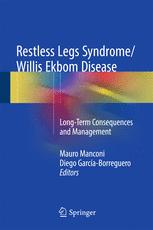
Restless legs syndrome/Willis Ekbom disease : long-term consequences and management 🔍
Mauro Manconi, Diego García-Borreguero (eds.)
Springer-Verlag New York, 1st ed. 2017, New York, NY, 2017
英语 [en] · PDF · 4.4MB · 2017 · 📘 非小说类图书 · 🚀/lgli/lgrs/nexusstc/scihub/upload/zlib · Save
描述
Due to the fact that Restless Legs Syndrome/Willis-Ekbom Disease is usually a chronic condition, this book aims to provide physicians with the necessary tools for the long-term management of patients with RLS. The first part of the book addresses the various comorbidities and long-term consequences of RLS on life quality, sleep, cognitive, psychiatric and cardiovascular systems, while the second part focuses on the management of long-term treatment and the drug-induced complications in primary RLS and in special populations. Written by experts in the field, this practical resource offers a high-quality, long-term management of RLS for neurologists, sleep clinicians, pulmonologists and other healthcare professionals.
Erscheinungsdatum: 09.05.2017
Erscheinungsdatum: 09.05.2017
备用文件名
upload/wll/ENTER/Science/Biology/Health/1 - More Med Books 2017-2018/Restless Legs Syndrome Willis Ekbom Disease Long-Term Consequences and Management 2017.pdf
备用文件名
lgli/K:\!genesis\!repository9\spr\10.1007%2F978-1-4939-6777-3.pdf
备用文件名
lgrsnf/K:\!genesis\!repository9\spr\10.1007%2F978-1-4939-6777-3.pdf
备用文件名
nexusstc/Restless Legs Syndrome/Willis Ekbom Disease/daf0050dcf9da0f6b5a0a42e03da7264.pdf
备用文件名
scihub/10.1007/978-1-4939-6777-3.pdf
备用文件名
zlib/Medicine/Mauro Manconi, Diego García-Borreguero (eds.)/Restless Legs Syndrome/Willis Ekbom Disease: Long-Term Consequences and Management_2940474.pdf
备选标题
Restless Legs Syndrome Willis Ekbom Disease Long-Term Consequences and Management
备选标题
272893_Print.indd
备选作者
Mauro Manconi; Diego García-Borreguero Díaz-Varela
备选作者
Manconi, Mauro; García-Borreguero, Diego
备选作者
Mauro Manconi, Diego Garcia-Borreguero
备选作者
Adam Ross Solomon
备选作者
0009172
备用出版商
Springer New York : Imprint: Springer
备用出版商
Springer Nature
备用出版商
Springer US
备用版本
United States, United States of America
备用版本
1st ed. 2017, PS, 2017
备用版本
2, 20170507
元数据中的注释
sm64629551
元数据中的注释
producers:
Acrobat Distiller 10.0.0 (Windows)
Acrobat Distiller 10.0.0 (Windows)
元数据中的注释
{"edition":"1","isbns":["1493967754","1493967770","9781493967759","9781493967773"],"publisher":"Springer New York"}
备用描述
Foreword 7
Preface 9
Contents 11
Contributors 13
1 RLS/WED: Criteria, Prevalence, and Differential Diagnosis 15
Diagnostic Criteria: Historical Aspects 15
2012 IRLSSG Consensus Diagnostic Criteria 18
International Classification of Sleep Disorders, Third Edition (Icsd-3) Diagnostic Criteria for Rls/Wed 23
Diagnostic Statistical Manual of Mental Disorders, Fifth Edition (Dsm-5) Diagnostic Criteria for Rls/Wed 24
Differential Diagnosis 25
Prevalence of Occurrence 27
References 28
Long Term Health Consequences of Restless Legs Syndrome/Willis-Ekbom Disease 33
2 Mental Health Disorders Associated with RLS 34
Epidemiology of RLS and Mental Health 35
Depression and Anxiety in RLS Patients 35
RLS in Mental Health Cohorts 37
Explaining the Comorbidity Between RLS and Mental Illness 38
Depression and Anxiety 38
RLS and Neurocognitive Impairment 39
RLS and Attention-Deficit/Hyperactivity Disorder 40
RLS and Personality 40
Psychotropics and RLS 41
Serotonergic Antidepressants and RLS 41
Other Antidepressants 42
Sedative-Hypnotics 43
Neuroleptic Agents 43
Mood Stabilizers 45
Psychiatric Considerations of RLS Treatment 45
Treatment Implications 46
Conclusions 48
References 48
3 Sleep Impact: Insomnia, Hypersomnia, Sleep Attacks, and Circadian Disorders 57
Insomnia 59
Excessive Daytime Sleepiness 61
Sleep Attacks 64
Circadian Disorders 65
Conclusions 66
References 66
4 Cognitive Functioning 70
Treatment and Cognitive Function in RLS 70
Effects of Acute Treatment on Cognitive Function in Subjects with RLS 74
Prolonged Treatment and Cognitive Function in RLS 75
Pramipexole 76
Gabapentin Enarcabil 77
Summary, Discussion and Outlook 78
References 80
5 Health-Related Quality of Life and Depression Symptom Measures for the Assessment of Treatment in Restless Legs Syndrome/ Willis–Ekbom Disease 84
Generic Instruments Used in RLS/WED 86
Disease-Specific Questionnaires Used in RLS/WED 86
RLS and Depression 87
References 87
6 Epidemiologic Evidence in Cardiovascular Disease 90
RLS and Cardiovascular Diseases 90
RLS and Cardiovascular Risk Factors 90
Obesity 90
Hypertension 91
Hyperlipidemia 92
Epidemiologic Studies of RLS and CVD Risk 93
Cross-sectional Studies 93
Prospective Studies 93
Potential Biological Mechanisms 95
Periodic Limb Movements During Sleep 95
PLMS Prevalence and Comorbidities 96
PLMS and Hypertension 96
PLMS in Chronic Disease 97
PLMS and Cardiovascular Disease 97
References 100
7 Heart Rate and Blood Pressure Changes Associated with Periodic Limb Movements 103
HR and BP Correlate of LMS in Controls and Patients 103
Heart Rate and PLMS 103
Blood Pressure and PLMS 104
Effects of the Interaction Between PLMS and Apnea on HR and BP 105
Searching for the Effects of PLMS-Related Rises in HR and BP 105
Systemic Hypertension and PLMS 106
Heart Disease and PLMS 106
Stroke and PLMS 107
Challenging the Cause/Effect Relationship Between PLMS and EEG or Autonomic Activations 107
References 108
8 Willis–Ekbom Disease, Periodic Limb Movements of Sleep, and Cardiovascular Disease: Putative Mechanisms and Implications for Long-Term Treatment 111
Mechanisms by Which WED and/or PLMS Could Cause Cardiovascular Disease 111
Mechanisms by Which Shared Pathophysiology or Risk Factors Could Lead to Both WED/PLMS and Cardiovascular Disease 116
Features Involved in Pathogenesis of WED/PLMS and Their Potential Role in Causing CVD 116
Known Risk Factors for Cardiovascular Disease that May Cause or Exacerbate WED Symptoms 117
Known Risk Factors for Cardiovascular Disease that Are Associated with WED 118
Arguments Against Common Risk Factors Explaining the Association Between WED/PLMS and CVD 119
Mechanisms by Which Cardiovascular Disease Could Cause WED or PLMS 119
Potential Role of Treatment of WED/PLMS in the Primary or Secondary Prevention of CVD 120
References 121
9 Peripheral Muscle Changes 129
Muscle Biology 130
Muscle Capillarization 130
Angiogenesis 130
Local Inflammation in Skeletal Muscle 131
RLS Patients 132
References 133
10 Outcome and Mortality in Renal Failure Related RLS 136
RLS and Chronic Kidney Disease 136
RLS and Outcome 138
Cardio- and Cerebrovascular Risk 139
RLS and Mortality 140
RLS and Quality of Life 141
Conclusion 143
References 144
Suggested Reading 147
Long Term Management of Restless Legs Syndrome/Willis-Ekbom Disease 148
11 Long-Term Efficacy of Pharmacological Treatment 149
General Considerations 149
Dopaminergic Agents 151
Dopamine Agonists 151
Pramipexole 151
Ropinirole 156
Rotigotine 156
Levodopa 157
Alpha-2 Δ Ligands 157
Gabapentin Enacarbil 157
Pregabalin 157
Opioids 158
Methadone 158
Other Drugs 158
Iron Sucrose 158
Other Drugs 159
Concluding Remarks 159
References 159
12 Augmentation: Criteria, Prevalence, and Differential Diagnosis 163
Introduction 163
Clinical Definition 164
Incidence of Augmentation Under Dopaminergic Agents 165
Differential Diagnosis of Augmentation 171
Conclusion 173
References 173
13 Treatment Options When Short-Acting Dopamine Agonists Fail or Cause Augmentation: Switching or Adding Medications 176
Inadequate Initial Response Despite Adequate Doses of Short-Acting DAs 177
Response That Has Become Inadequate with Time 178
Disease Progression 178
Triggers 179
Tolerance 180
Intolerable Side Effects 181
Early Treatment Adverse Reactions 181
Late Treatment Adverse Reactions 181
Augmentation 182
Treatment of Augmentation from Short-Acting Dopamine Agonists 184
Prevention 184
Management of Augmentation 185
Management of RLS that Is Not Clinically Significant 186
Any One of More of a–e Below 186
Options for Changing Current Short-Acting DA Therapy 186
Changing to Another Short-Acting DA 186
Reducing the Dose of the Short-Acting DA 187
Elimination of the Short-Acting DA 187
Replacement with a Long-Acting DA 187
Rotation Therapy/Drug Holidays 188
Management of Clinically Significant Augmentation 188
Mild Augmentation 188
Severe Augmentation 189
References 191
14 Management of Augmentation 195
When to Treat Augmentation? 196
References 198
15 Managing Concurrent Medications 199
Antihistamines 200
Frequently Mentioned Antihistamines (H1 Antagonists) 200
Second Generation H1 Antagonists 202
Over-the-Counter Cold Medications 202
Compounds Used During Surgery: Antiemetics and Analgesics 203
Anticonvulsants and CNS Depressants 204
Antidepressants 205
Monoamine Oxydase Inhibitors 207
Selective Serotonin Reuptake Inhibitors 207
Atypical Antidepressants 209
Antipsychotics 210
Typical Antipsychotics 210
Atypical Antipsychotics 211
Hormones 212
Cardiovascular Preparations 212
Calcium Channel Blockers such as Diltiazem 212
Angiotensin-Converting Enzyme (ACE) Inhibitors such as Captopril and Enalapril 213
Summary 213
References 215
16 Impulsive Behaviors: Definition, Prevalence, Neurobiology, and Management 221
Definition: Impulse Control Disorder 222
Frequency of ICD Behaviors 223
Pathophysiology 224
Specific ICD Behaviors and Assessment Tools and Strategies 227
Pathologic Gambling 227
Compulsive Eating 227
Compulsive Shopping 228
Hypersexuality 228
Punding 229
Compulsive Medication Use 229
Other Behaviors 229
Global Assessment of Suspected ICD: A Systematic Approach 230
Management 230
Conclusion 231
Acknowledgements 231
References 231
17 Impulse Control Behavior in Movement Disorders: Focus on Restless Leg Syndrome 234
Impulse Control Disorders 235
Definition and Classification 235
Neuropathological Basis of Impulse Control Disorders 236
Epidemiology of Impulse Control Disorders and Dopamine Agonist Medication Effect 238
Risk Factors 241
Genetics of Impulse Control Disorders 241
Treatment 243
Conclusions 244
Acknowledgments 244
References 244
18 Management of RLS During Pregnancy 250
Historical Background 250
Epidemiology 251
Course and Prognosis 253
Pathogenetic Hypotheses 253
Consequences 254
Management of RLS During Pregnancy 255
Non-pharmacological Management During Pregnancy 256
Iron Supplementation 256
Pharmacological Management During Pregnancy and Lactation 257
Dopamine-Agonists 258
Alpha-2-Delta Ligands 259
Benzodiazepines 259
Opioids 260
References 260
19 Management of RLS in Children (Unique Features) 265
Symptoms, Pathophysiology, and Diagnostic Criteria for RLS 266
RLS and ADHD 270
RLS and PLMS 271
Treatment 272
Non-pharmacologic Interventions 272
Iron Hypothesis 273
Pharmacologic Treatment 274
Dopaminergic Agents 275
Gabapentin 276
Benzodiazepines 276
Clonidine 277
Conclusions 277
References 278
Preface 9
Contents 11
Contributors 13
1 RLS/WED: Criteria, Prevalence, and Differential Diagnosis 15
Diagnostic Criteria: Historical Aspects 15
2012 IRLSSG Consensus Diagnostic Criteria 18
International Classification of Sleep Disorders, Third Edition (Icsd-3) Diagnostic Criteria for Rls/Wed 23
Diagnostic Statistical Manual of Mental Disorders, Fifth Edition (Dsm-5) Diagnostic Criteria for Rls/Wed 24
Differential Diagnosis 25
Prevalence of Occurrence 27
References 28
Long Term Health Consequences of Restless Legs Syndrome/Willis-Ekbom Disease 33
2 Mental Health Disorders Associated with RLS 34
Epidemiology of RLS and Mental Health 35
Depression and Anxiety in RLS Patients 35
RLS in Mental Health Cohorts 37
Explaining the Comorbidity Between RLS and Mental Illness 38
Depression and Anxiety 38
RLS and Neurocognitive Impairment 39
RLS and Attention-Deficit/Hyperactivity Disorder 40
RLS and Personality 40
Psychotropics and RLS 41
Serotonergic Antidepressants and RLS 41
Other Antidepressants 42
Sedative-Hypnotics 43
Neuroleptic Agents 43
Mood Stabilizers 45
Psychiatric Considerations of RLS Treatment 45
Treatment Implications 46
Conclusions 48
References 48
3 Sleep Impact: Insomnia, Hypersomnia, Sleep Attacks, and Circadian Disorders 57
Insomnia 59
Excessive Daytime Sleepiness 61
Sleep Attacks 64
Circadian Disorders 65
Conclusions 66
References 66
4 Cognitive Functioning 70
Treatment and Cognitive Function in RLS 70
Effects of Acute Treatment on Cognitive Function in Subjects with RLS 74
Prolonged Treatment and Cognitive Function in RLS 75
Pramipexole 76
Gabapentin Enarcabil 77
Summary, Discussion and Outlook 78
References 80
5 Health-Related Quality of Life and Depression Symptom Measures for the Assessment of Treatment in Restless Legs Syndrome/ Willis–Ekbom Disease 84
Generic Instruments Used in RLS/WED 86
Disease-Specific Questionnaires Used in RLS/WED 86
RLS and Depression 87
References 87
6 Epidemiologic Evidence in Cardiovascular Disease 90
RLS and Cardiovascular Diseases 90
RLS and Cardiovascular Risk Factors 90
Obesity 90
Hypertension 91
Hyperlipidemia 92
Epidemiologic Studies of RLS and CVD Risk 93
Cross-sectional Studies 93
Prospective Studies 93
Potential Biological Mechanisms 95
Periodic Limb Movements During Sleep 95
PLMS Prevalence and Comorbidities 96
PLMS and Hypertension 96
PLMS in Chronic Disease 97
PLMS and Cardiovascular Disease 97
References 100
7 Heart Rate and Blood Pressure Changes Associated with Periodic Limb Movements 103
HR and BP Correlate of LMS in Controls and Patients 103
Heart Rate and PLMS 103
Blood Pressure and PLMS 104
Effects of the Interaction Between PLMS and Apnea on HR and BP 105
Searching for the Effects of PLMS-Related Rises in HR and BP 105
Systemic Hypertension and PLMS 106
Heart Disease and PLMS 106
Stroke and PLMS 107
Challenging the Cause/Effect Relationship Between PLMS and EEG or Autonomic Activations 107
References 108
8 Willis–Ekbom Disease, Periodic Limb Movements of Sleep, and Cardiovascular Disease: Putative Mechanisms and Implications for Long-Term Treatment 111
Mechanisms by Which WED and/or PLMS Could Cause Cardiovascular Disease 111
Mechanisms by Which Shared Pathophysiology or Risk Factors Could Lead to Both WED/PLMS and Cardiovascular Disease 116
Features Involved in Pathogenesis of WED/PLMS and Their Potential Role in Causing CVD 116
Known Risk Factors for Cardiovascular Disease that May Cause or Exacerbate WED Symptoms 117
Known Risk Factors for Cardiovascular Disease that Are Associated with WED 118
Arguments Against Common Risk Factors Explaining the Association Between WED/PLMS and CVD 119
Mechanisms by Which Cardiovascular Disease Could Cause WED or PLMS 119
Potential Role of Treatment of WED/PLMS in the Primary or Secondary Prevention of CVD 120
References 121
9 Peripheral Muscle Changes 129
Muscle Biology 130
Muscle Capillarization 130
Angiogenesis 130
Local Inflammation in Skeletal Muscle 131
RLS Patients 132
References 133
10 Outcome and Mortality in Renal Failure Related RLS 136
RLS and Chronic Kidney Disease 136
RLS and Outcome 138
Cardio- and Cerebrovascular Risk 139
RLS and Mortality 140
RLS and Quality of Life 141
Conclusion 143
References 144
Suggested Reading 147
Long Term Management of Restless Legs Syndrome/Willis-Ekbom Disease 148
11 Long-Term Efficacy of Pharmacological Treatment 149
General Considerations 149
Dopaminergic Agents 151
Dopamine Agonists 151
Pramipexole 151
Ropinirole 156
Rotigotine 156
Levodopa 157
Alpha-2 Δ Ligands 157
Gabapentin Enacarbil 157
Pregabalin 157
Opioids 158
Methadone 158
Other Drugs 158
Iron Sucrose 158
Other Drugs 159
Concluding Remarks 159
References 159
12 Augmentation: Criteria, Prevalence, and Differential Diagnosis 163
Introduction 163
Clinical Definition 164
Incidence of Augmentation Under Dopaminergic Agents 165
Differential Diagnosis of Augmentation 171
Conclusion 173
References 173
13 Treatment Options When Short-Acting Dopamine Agonists Fail or Cause Augmentation: Switching or Adding Medications 176
Inadequate Initial Response Despite Adequate Doses of Short-Acting DAs 177
Response That Has Become Inadequate with Time 178
Disease Progression 178
Triggers 179
Tolerance 180
Intolerable Side Effects 181
Early Treatment Adverse Reactions 181
Late Treatment Adverse Reactions 181
Augmentation 182
Treatment of Augmentation from Short-Acting Dopamine Agonists 184
Prevention 184
Management of Augmentation 185
Management of RLS that Is Not Clinically Significant 186
Any One of More of a–e Below 186
Options for Changing Current Short-Acting DA Therapy 186
Changing to Another Short-Acting DA 186
Reducing the Dose of the Short-Acting DA 187
Elimination of the Short-Acting DA 187
Replacement with a Long-Acting DA 187
Rotation Therapy/Drug Holidays 188
Management of Clinically Significant Augmentation 188
Mild Augmentation 188
Severe Augmentation 189
References 191
14 Management of Augmentation 195
When to Treat Augmentation? 196
References 198
15 Managing Concurrent Medications 199
Antihistamines 200
Frequently Mentioned Antihistamines (H1 Antagonists) 200
Second Generation H1 Antagonists 202
Over-the-Counter Cold Medications 202
Compounds Used During Surgery: Antiemetics and Analgesics 203
Anticonvulsants and CNS Depressants 204
Antidepressants 205
Monoamine Oxydase Inhibitors 207
Selective Serotonin Reuptake Inhibitors 207
Atypical Antidepressants 209
Antipsychotics 210
Typical Antipsychotics 210
Atypical Antipsychotics 211
Hormones 212
Cardiovascular Preparations 212
Calcium Channel Blockers such as Diltiazem 212
Angiotensin-Converting Enzyme (ACE) Inhibitors such as Captopril and Enalapril 213
Summary 213
References 215
16 Impulsive Behaviors: Definition, Prevalence, Neurobiology, and Management 221
Definition: Impulse Control Disorder 222
Frequency of ICD Behaviors 223
Pathophysiology 224
Specific ICD Behaviors and Assessment Tools and Strategies 227
Pathologic Gambling 227
Compulsive Eating 227
Compulsive Shopping 228
Hypersexuality 228
Punding 229
Compulsive Medication Use 229
Other Behaviors 229
Global Assessment of Suspected ICD: A Systematic Approach 230
Management 230
Conclusion 231
Acknowledgements 231
References 231
17 Impulse Control Behavior in Movement Disorders: Focus on Restless Leg Syndrome 234
Impulse Control Disorders 235
Definition and Classification 235
Neuropathological Basis of Impulse Control Disorders 236
Epidemiology of Impulse Control Disorders and Dopamine Agonist Medication Effect 238
Risk Factors 241
Genetics of Impulse Control Disorders 241
Treatment 243
Conclusions 244
Acknowledgments 244
References 244
18 Management of RLS During Pregnancy 250
Historical Background 250
Epidemiology 251
Course and Prognosis 253
Pathogenetic Hypotheses 253
Consequences 254
Management of RLS During Pregnancy 255
Non-pharmacological Management During Pregnancy 256
Iron Supplementation 256
Pharmacological Management During Pregnancy and Lactation 257
Dopamine-Agonists 258
Alpha-2-Delta Ligands 259
Benzodiazepines 259
Opioids 260
References 260
19 Management of RLS in Children (Unique Features) 265
Symptoms, Pathophysiology, and Diagnostic Criteria for RLS 266
RLS and ADHD 270
RLS and PLMS 271
Treatment 272
Non-pharmacologic Interventions 272
Iron Hypothesis 273
Pharmacologic Treatment 274
Dopaminergic Agents 275
Gabapentin 276
Benzodiazepines 276
Clonidine 277
Conclusions 277
References 278
备用描述
Front Matter....Pages i-xiv
RLS/WED: Criteria, Differential Diagnosis and Prevalence of Occurrence....Pages 1-18
Front Matter....Pages 19-19
Mental Health Disorders Associated with RLS....Pages 21-43
Sleep Impact: Insomnia, Hypersomnia, Sleep Attacks, and Circadian Disorders....Pages 45-57
Cognitive Functioning....Pages 59-72
Health-Related Quality of Life and Depression Symptom Measures for the Assessment of Treatment in Restless Legs Syndrome/Willis–Ekbom Disease....Pages 73-78
Epidemiologic Evidence in Cardiovascular Disease....Pages 79-91
Heart Rate and Blood Pressure Changes Associated with Periodic Limb Movements....Pages 93-100
Willis–Ekbom Disease, Periodic Limb Movements of Sleep, and Cardiovascular Disease: Putative Mechanisms and Implications for Long-Term Treatment....Pages 101-118
Peripheral Muscle Changes....Pages 119-125
Outcome and Mortality in Renal Failure Related RLS....Pages 127-138
Front Matter....Pages 139-139
Long-Term Efficacy of Pharmacological Treatment....Pages 141-154
Augmentation: Criteria, Prevalence, and Differential Diagnosis....Pages 155-167
Treatment Options When Short-Acting Dopamine Agonists Fail or Cause Augmentation: Switching or Adding Medications....Pages 169-187
Management of Augmentation....Pages 189-192
Managing Concurrent Medications....Pages 193-214
Impulsive Behaviors: Definition, Prevalence, Neurobiology, and Management....Pages 215-227
Impulse Control Behavior in Movement Disorders: Focus on Restless Leg Syndrome....Pages 229-244
Management of RLS During Pregnancy....Pages 245-259
Management of RLS in Children (Unique Features)....Pages 261-278
Back Matter....Pages 279-287
RLS/WED: Criteria, Differential Diagnosis and Prevalence of Occurrence....Pages 1-18
Front Matter....Pages 19-19
Mental Health Disorders Associated with RLS....Pages 21-43
Sleep Impact: Insomnia, Hypersomnia, Sleep Attacks, and Circadian Disorders....Pages 45-57
Cognitive Functioning....Pages 59-72
Health-Related Quality of Life and Depression Symptom Measures for the Assessment of Treatment in Restless Legs Syndrome/Willis–Ekbom Disease....Pages 73-78
Epidemiologic Evidence in Cardiovascular Disease....Pages 79-91
Heart Rate and Blood Pressure Changes Associated with Periodic Limb Movements....Pages 93-100
Willis–Ekbom Disease, Periodic Limb Movements of Sleep, and Cardiovascular Disease: Putative Mechanisms and Implications for Long-Term Treatment....Pages 101-118
Peripheral Muscle Changes....Pages 119-125
Outcome and Mortality in Renal Failure Related RLS....Pages 127-138
Front Matter....Pages 139-139
Long-Term Efficacy of Pharmacological Treatment....Pages 141-154
Augmentation: Criteria, Prevalence, and Differential Diagnosis....Pages 155-167
Treatment Options When Short-Acting Dopamine Agonists Fail or Cause Augmentation: Switching or Adding Medications....Pages 169-187
Management of Augmentation....Pages 189-192
Managing Concurrent Medications....Pages 193-214
Impulsive Behaviors: Definition, Prevalence, Neurobiology, and Management....Pages 215-227
Impulse Control Behavior in Movement Disorders: Focus on Restless Leg Syndrome....Pages 229-244
Management of RLS During Pregnancy....Pages 245-259
Management of RLS in Children (Unique Features)....Pages 261-278
Back Matter....Pages 279-287
开源日期
2017-06-25
🚀 快速下载
成为会员以支持书籍、论文等的长期保存。为了感谢您对我们的支持,您将获得高速下载权益。❤️
如果您在本月捐款,您将获得双倍的快速下载次数。
- 高速服务器(合作方提供) #1 (推荐)
- 高速服务器(合作方提供) #2 (推荐)
- 高速服务器(合作方提供) #3 (推荐)
- 高速服务器(合作方提供) #4 (推荐)
- 高速服务器(合作方提供) #5 (推荐)
- 高速服务器(合作方提供) #6 (推荐)
- 高速服务器(合作方提供) #7
- 高速服务器(合作方提供) #8
- 高速服务器(合作方提供) #9
- 高速服务器(合作方提供) #10
- 高速服务器(合作方提供) #11
- 高速服务器(合作方提供) #12
- 高速服务器(合作方提供) #13
- 高速服务器(合作方提供) #14
- 高速服务器(合作方提供) #15
- 高速服务器(合作方提供) #16
- 高速服务器(合作方提供) #17
- 高速服务器(合作方提供) #18
- 高速服务器(合作方提供) #19
- 高速服务器(合作方提供) #20
- 高速服务器(合作方提供) #21
- 高速服务器(合作方提供) #22
🐢 低速下载
由可信的合作方提供。 更多信息请参见常见问题解答。 (可能需要验证浏览器——无限次下载!)
- 低速服务器(合作方提供) #1 (稍快但需要排队)
- 低速服务器(合作方提供) #2 (稍快但需要排队)
- 低速服务器(合作方提供) #3 (稍快但需要排队)
- 低速服务器(合作方提供) #4 (稍快但需要排队)
- 低速服务器(合作方提供) #5 (无需排队,但可能非常慢)
- 低速服务器(合作方提供) #6 (无需排队,但可能非常慢)
- 低速服务器(合作方提供) #7 (无需排队,但可能非常慢)
- 低速服务器(合作方提供) #8 (无需排队,但可能非常慢)
- 低速服务器(合作方提供) #9 (无需排队,但可能非常慢)
- 低速服务器(合作方提供) #10 (稍快但需要排队)
- 低速服务器(合作方提供) #11 (稍快但需要排队)
- 低速服务器(合作方提供) #12 (稍快但需要排队)
- 低速服务器(合作方提供) #13 (稍快但需要排队)
- 低速服务器(合作方提供) #14 (无需排队,但可能非常慢)
- 低速服务器(合作方提供) #15 (无需排队,但可能非常慢)
- 低速服务器(合作方提供) #16 (无需排队,但可能非常慢)
- 低速服务器(合作方提供) #17 (无需排队,但可能非常慢)
- 低速服务器(合作方提供) #18 (无需排队,但可能非常慢)
- 下载后: 在我们的查看器中打开
所有选项下载的文件都相同,应该可以安全使用。即使这样,从互联网下载文件时始终要小心。例如,确保您的设备更新及时。
外部下载
-
对于大文件,我们建议使用下载管理器以防止中断。
推荐的下载管理器:JDownloader -
您将需要一个电子书或 PDF 阅读器来打开文件,具体取决于文件格式。
推荐的电子书阅读器:Anna的档案在线查看器、ReadEra和Calibre -
使用在线工具进行格式转换。
推荐的转换工具:CloudConvert和PrintFriendly -
您可以将 PDF 和 EPUB 文件发送到您的 Kindle 或 Kobo 电子阅读器。
推荐的工具:亚马逊的“发送到 Kindle”和djazz 的“发送到 Kobo/Kindle” -
支持作者和图书馆
✍️ 如果您喜欢这个并且能够负担得起,请考虑购买原版,或直接支持作者。
📚 如果您当地的图书馆有这本书,请考虑在那里免费借阅。
下面的文字仅以英文继续。
总下载量:
“文件的MD5”是根据文件内容计算出的哈希值,并且基于该内容具有相当的唯一性。我们这里索引的所有影子图书馆都主要使用MD5来标识文件。
一个文件可能会出现在多个影子图书馆中。有关我们编译的各种数据集的信息,请参见数据集页面。
有关此文件的详细信息,请查看其JSON 文件。 Live/debug JSON version. Live/debug page.