upload/alexandrina/5. Ancient & Classical Civilizations Series/Routledge Worlds (68 Books)/Timothy May, Michael Hope - The Mongol World (Routledge Worlds) [Retail] (2).pdf
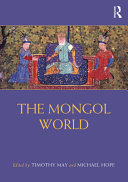
The Mongol World (The Routledge Worlds) 🔍
Michael Hope, Timothy May, İsenbike Togan, David Curtis Wright, Alexander V. Maiorov, Stephan Pow, Beatrice Forbes Manz, John Lathan-Sprinkle, Roman Hautala, Xiaolin Ma, George Lane, Denise Aigle, Florence Houdous, Anne F. Broadbridge, Lhkamsuren Munkh-Erdene, Hosung Shim, Bruno De Nicola, Judith G. Kolbas, Paul D. Buell, István Vásáry, Colleen C. Ho, Ulambayar Erdenebat, Jargalan Burentogtokh, William Honeychurch, Shane McCausland, Sheila Blair, Daniel C. Waugh, Bayarsaikhan Dashdondog, Ishayahu Landa, Jesse Sloane, Brian Baumann, Na’ama O. Arom, Paul D. Buell, Hyunhee Park, Morris Rossabi, Lee Kang Hahn, Michael C. Brose, Choi Soyoung, Donald G. Ostrowski, Antti Ruotsala, Josephine van den Bent, James A. Anderson, Li Narangoa, Patrick Wing, İlker Evrim Binbaş, Yihao Qiu, Ippei Shimamura
Routledge is an imprint of the Taylor & Francis Group, an informa business, The Routledge Worlds, First published, Abingdon, Oxon, 2022
英语 [en] · PDF · 259.7MB · 2022 · 📘 非小说类图书 · 🚀/lgli/upload/zlib · Save
描述
Drawing Upon Research Carried Out In Several Different Languages And Across A Variety Of Disciplines, The Mongol World Documents How Mongol Rule Shaped The Trajectory Of Eurasian History From Central Europe To The Korean Peninsula, From The Thirteenth Century To The Fifteenth Century. Contributing Authors Consider How Intercontinental Environmental, Economic, And Intellectual Trends Affected The Empire As A Whole And, Where Appropriate, Situate Regional Political, Social, And Religious Shifts Within The Context Of The Broader Mongol Empire. Issues Pertaining To The Mongols And Their Role Within The Societies That They Conquered Therefore Take Precedence Over The Historical Narrative Of The Societies That They Conquered. Alongside The Formation, Conquests, Administration, And Political Structure Of The Mongol Empire, The Second Section Examines Archaeology And Art History, Family And Royal Households, Science And Exploration, And Religion, Which Provides Greater Insight Into The Social History Of The Empire -- An Aspect Often Neglected By Traditional Dynastic And Political Histories. With 58 Chapters Written By Both Senior And Early-career Scholars, The Volume Is An Essential Resource For All Students And Scholars Who Study The Mongol Empire From Its Origins To Its Disintegration And Legacy.
备用文件名
lgli/Taylor,Francis Group - The Mongol World (Routledge Worlds) (2022, Routledge).pdf
备用文件名
zlib/History/World History/Timothy May; Michael Hope/The Mongol World (Routledge Worlds)_21428057.pdf
备选作者
Michael Hope, Timothy Michael May, İsenbike Togan, David Curtis Wright, Alexander V. Maiorov, Stephan Pow, Beatrice Forbes Manz, John Lathan-Sprinkle, Roman Hautala, Xiaolin Ma, George Lane, Denise Aigle, Florence Houdous, Anne F. Broadbridge, Lhkamsuren Munkh-Erdene, Hosung Shim, Bruno De Nicola, Judith G. Kolbas, Paul D. Buell, István Vásáry, Colleen C. Ho, Ulambayar Erdenebat, Jargalan Burentogtokh, William Honeychurch, Shane McCausland, Sheila Blair, Daniel C. Waugh, Bayarsaikhan Dashdondog, Ishayahu Landa, Jesse Sloane, Brian Baumann, Na’ama O. Arom, Hyunhee Park, Morris Rossabi, Lee Kang Hahn, Michael C. Brose, Choi Soyoung, Donald G. Ostrowski, Antti Ruotsala, Josephine van den Bent, James A. Anderson, Li Narangoa, Patrick Wing, İlker Evrim Binbaş, Yihao Qiu, Ippei Shimamura
备选作者
Timothy Michael May; Michael Hope; Taylor & Francis (Londyn)
备选作者
Timothy May, Michael Hope, Timothy Michael May
备用出版商
Oxon : Routledge, Taylor & Francis Group
备用出版商
Taylor & Francis Group; Routledge
备用出版商
Ashgate Publishing Limited
备用出版商
Taylor & Francis Ltd
备用出版商
Gower Publishing Ltd
备用版本
Routledge worlds, Abingdon Oxon ; New York NY, 2022
备用版本
United Kingdom and Ireland, United Kingdom
备用版本
May 25, 2022
备用版本
May 26, 2022
备用版本
1, PS, 2022
备用版本
uuuu
元数据中的注释
sources:
9781138056671
9781138056671
元数据中的注释
producers:
Adobe PDF Library 15.0
Adobe PDF Library 15.0
备用描述
Drawing upon research carried out in several different languages and across a variety of disciplines, The Mongol World documents how Mongol rule shaped the trajectory of Eurasian history from Central Europe to the Korean Peninsula, from the thirteenth century to the fifteenth century. Contributing authors consider how intercontinental environmental, economic, and intellectual trends affected the Empire as a whole and, where appropriate, situate regional political, social, and religious shifts within the context of the broader Mongol Empire. Issues pertaining to the Mongols and their role within the societies that they conquered therefore take precedence over the historical narratives of those societies. Alongside the formation, conquests, administration, and political structure of the Mongol Empire, the second section examines archaeology and art history, family and royal households, science and exploration, and religion, which provides greater insight into the social history of the Empire – an aspect often neglected by traditional dynastic and political histories. With 58 chapters written by both senior and early-career scholars, the volume is an essential resource for all students and scholars who study the Mongol Empire from its origins to its disintegration and legacy.
Cover 1
Half Title 2
Series 3
Title 4
Copyright 5
Dedication 6
Contents 8
List of figures 14
List of maps 16
List of contributors 17
Acknowledgements 25
List of abbreviations 26
Introduction 34
Section 1 Conquest and State Formation 50
Section 1 Introduction: conquest and state formation 52
Part I Chinggis Khan and State Formation 64
1 Mongolia before Chinggis Khan 66
2 The rise of Chinggis Khan 84
3 The early Mongol State 101
Part II The Mongol Conquests 120
4 The Mongol conquest of Xi Xia 122
5 The Mongol conquest of the Jin Empire, 1211–1234 134
6 The Mongol conquest of the Song Empire, 1234–1279 151
7 The conquest of Qara Khitai and western Siberia 170
8 The conquest of the Dasht-i Qipchaq 183
9 The Mongol conquest of Rus’ 197
10 The Mongol invasions of Europe 216
11 The Mongol conquest of Iran 229
12 The Mongol conquest of Caucasia 246
13 The Mongol conquest of the Near East 260
Part III The Mongol Successor States 276
14 The Jochid Ulus 278
15 The Yuan Empire 296
16 The Ilkhanate 312
17 The Middle Empire 331
Part IV Administration and Political Structure 350
18 The Yasa 352
19 Jarqu and Jarquchin 364
20 Daughters, consort families and the military 374
21 Mongol state formation and imperial transformation 384
22 The Keshig 403
23 The Jam System: The Mongol institution for communication and transportation 415
Section 2 The Social History of the Mongol Empire 428
Section 2 Introduction: The social history of the Mongol Empire 430
Part V Family and Royal Households 440
24 Consort families in the successor khanates 442
25 Elite women in the Mongol Empire 455
Part VI Finance, Trade, and Economy 474
26 Mongol monetary trends 476
27 Maritime silk route: the Mongols and the Indian Ocean 491
28 Taxation in the Jochid Ulus 501
29 Overland trade in the Mongol world 517
Part VII Archaeology and Art History 538
30 The archaeology of the Mongol Empire 540
31 The art history and material culture of the Yuan Empire 567
32 The visual world of the Ilkhanids and Chaghadaids 593
33 Archaeology and the material culture of the Ulus Jochi (Golden Horde) 621
Part VIII Religion 656
34 Shamans at the court of the qa’an 658
35 Nestorian Christianity among the Mongols 664
36 The Islamization of the Mongols 675
37 Daoism in the Mongol Empire 695
38 Confucianism in the Mongol Empire 704
39 Buddhism in the Mongol Empire 714
40 Judaism and the Mongol Empire 730
Part IX Science and Exploration 740
41 Arabic medicine in China and in the Mongol world 742
42 Mapping and exploration 752
Section 3 The Mongols in World History 770
Section 3 Introduction: The Mongols in world history 772
Part X The Mongols in the Eyes of the Conquered 782
43 Yuan Chinese attitudes toward the Mongols 784
44 The Mongols in the eyes of the Armenians 794
45 The Mongols in the eyes of the Koryo people 805
46 The Mongols in the eyes of the Uyghurs 823
47 From brutes to bodhisattvas: the Mongols in Tibetan sources 832
48 The Mongols in the eyes of the Iranians 847
49 The Mongols in the eyes of the Rus’ 859
50 The Mongols in the eyes of the papal and royal missions to Mongolia and China (c. 1245–1370) 875
Part XI Beyond the Borders of the Mongol Empire 886
51 Mongols in the Mamluk Sultanate 888
52 The outer limits of steppe power: Mongol excursions in Southeast Asia 905
53 The Mongols in South Asia 923
54 The Mongol invasions of Japan and their legacy 940
Part XII The Mongol Legacy 954
55 The Chinggisid legacy in the Middle East 956
56 The Timurids and the Mongol Empire 969
57 Rescuing legitimate narrative by re-imaging Qubilai Qa’an 986
58 The legacy of the Mongol Empire in Mongolia 1006
Glossary 1022
Index 1030
Mongolia;,Siberia;,Jarquchin;,archaeology;,Islamization
Mongolia,Siberia,Jarquchin,archaeology,Islamization
Cover 1
Half Title 2
Series 3
Title 4
Copyright 5
Dedication 6
Contents 8
List of figures 14
List of maps 16
List of contributors 17
Acknowledgements 25
List of abbreviations 26
Introduction 34
Section 1 Conquest and State Formation 50
Section 1 Introduction: conquest and state formation 52
Part I Chinggis Khan and State Formation 64
1 Mongolia before Chinggis Khan 66
2 The rise of Chinggis Khan 84
3 The early Mongol State 101
Part II The Mongol Conquests 120
4 The Mongol conquest of Xi Xia 122
5 The Mongol conquest of the Jin Empire, 1211–1234 134
6 The Mongol conquest of the Song Empire, 1234–1279 151
7 The conquest of Qara Khitai and western Siberia 170
8 The conquest of the Dasht-i Qipchaq 183
9 The Mongol conquest of Rus’ 197
10 The Mongol invasions of Europe 216
11 The Mongol conquest of Iran 229
12 The Mongol conquest of Caucasia 246
13 The Mongol conquest of the Near East 260
Part III The Mongol Successor States 276
14 The Jochid Ulus 278
15 The Yuan Empire 296
16 The Ilkhanate 312
17 The Middle Empire 331
Part IV Administration and Political Structure 350
18 The Yasa 352
19 Jarqu and Jarquchin 364
20 Daughters, consort families and the military 374
21 Mongol state formation and imperial transformation 384
22 The Keshig 403
23 The Jam System: The Mongol institution for communication and transportation 415
Section 2 The Social History of the Mongol Empire 428
Section 2 Introduction: The social history of the Mongol Empire 430
Part V Family and Royal Households 440
24 Consort families in the successor khanates 442
25 Elite women in the Mongol Empire 455
Part VI Finance, Trade, and Economy 474
26 Mongol monetary trends 476
27 Maritime silk route: the Mongols and the Indian Ocean 491
28 Taxation in the Jochid Ulus 501
29 Overland trade in the Mongol world 517
Part VII Archaeology and Art History 538
30 The archaeology of the Mongol Empire 540
31 The art history and material culture of the Yuan Empire 567
32 The visual world of the Ilkhanids and Chaghadaids 593
33 Archaeology and the material culture of the Ulus Jochi (Golden Horde) 621
Part VIII Religion 656
34 Shamans at the court of the qa’an 658
35 Nestorian Christianity among the Mongols 664
36 The Islamization of the Mongols 675
37 Daoism in the Mongol Empire 695
38 Confucianism in the Mongol Empire 704
39 Buddhism in the Mongol Empire 714
40 Judaism and the Mongol Empire 730
Part IX Science and Exploration 740
41 Arabic medicine in China and in the Mongol world 742
42 Mapping and exploration 752
Section 3 The Mongols in World History 770
Section 3 Introduction: The Mongols in world history 772
Part X The Mongols in the Eyes of the Conquered 782
43 Yuan Chinese attitudes toward the Mongols 784
44 The Mongols in the eyes of the Armenians 794
45 The Mongols in the eyes of the Koryo people 805
46 The Mongols in the eyes of the Uyghurs 823
47 From brutes to bodhisattvas: the Mongols in Tibetan sources 832
48 The Mongols in the eyes of the Iranians 847
49 The Mongols in the eyes of the Rus’ 859
50 The Mongols in the eyes of the papal and royal missions to Mongolia and China (c. 1245–1370) 875
Part XI Beyond the Borders of the Mongol Empire 886
51 Mongols in the Mamluk Sultanate 888
52 The outer limits of steppe power: Mongol excursions in Southeast Asia 905
53 The Mongols in South Asia 923
54 The Mongol invasions of Japan and their legacy 940
Part XII The Mongol Legacy 954
55 The Chinggisid legacy in the Middle East 956
56 The Timurids and the Mongol Empire 969
57 Rescuing legitimate narrative by re-imaging Qubilai Qa’an 986
58 The legacy of the Mongol Empire in Mongolia 1006
Glossary 1022
Index 1030
Mongolia;,Siberia;,Jarquchin;,archaeology;,Islamization
Mongolia,Siberia,Jarquchin,archaeology,Islamization
备用描述
Introduction
Michael Hope and Timothy May
Section 1 Conquest and State Formation
Section 1 Introduction: Conquest and State Formation
Michael Hope and Timothy May
Part 1: Chinggis Khan and State Formation
1. Mongolia Before Chinggis Khan
Isenbike Togan
2. The Rise of Chinggis Khan
Timothy May
3. The Early Mongol State
Isenbike Togan
Part 2: The Mongol Conquests
4. The Mongol Conquest of Xi Xia
David Curtis Wright
5. The Mongol Conquest of the Jin Empire, 1211-1234
David Curtis Wright
6. The Mongol Conquest of the Song Empire, 1234-1279
David Curtis Wright
7. The Conquest of Qara Khitai and Western Siberia
Timothy May
8. Conquest of the Dasht-i Qipchaq
Timothy May
9. The Mongol Conquest of Rus’
Alexander V. Maiorov
10. The Mongol Invasions of Europe
Stephan Pow
11. The Mongol Conquest of Iran
Beatrice Forbes Manz
12. The Mongol Conquest of Transcaucasia
John Lathan-Sprinkle
13. The Mongol Conquest of the Near East
Timothy May
Part 3: The Mongol Successor States
14. The Jochid Ulus
Roman Hautala
15. The Yuan Empire
Xiaolin Ma
16. The Ilkhanate
George Lane
17. The Middle Empire
Michael Hope
Part 4: Administration and Political Structure
18. The Yasa
Denise Aigle
19. Jarqu and Jarquchin
Florence Houdous
20. Daughters, Consort Families, and the Military
Anne F. Broadbridge
21. Mongol State Formation and Imperial Transformation
Lhkamsuren Munkh-Erdene
22. The Keshig
Michael Hope
23. The Jam System
Hosung Shim
Section 2 The Social History of the Mongol Empire
Section 2 Introduction
Michael Hope and Timothy May
Part 5: Family and Royal Households
24. Consort Families in the Successor States
Anne F. Broadbridge
25. Elite Women in the Mongol Empire
Bruno De Nicola
Part 6: Finance, Trade, and Economy
26. Mongol Monetary Trends
Judith Kolbas
27. Maritime Silk Road: The Mongols and the Indian Ocean
Paul D. Buell
28. Taxation in the Jochid Ulus
István Vásáry
29. Overland Trade in the Mongol World
Colleen C. Ho
Part 7: Archaeology and Art History
30. The Archaeology of the Mongol Empire
Ulambayar Erdenebat, Jargalan Burentogtokh, and William Honeychurch
31. The Art History and Material Culture of the Yuan Empire
Shane McCausland
32. The Visual World of the Ilkhanids and Chaghadaids
Sheila Blair
33. Archaeology and the Material Culture of the Ulus Jochi (Golden Horde)
Daniel C. Waugh
Part 8: Religion
34. Shamans at the Court of the Qa’an
Dashdondog BAYARSAIKHAN
35. Nestorian Christianity Among the Mongols
Dashdondog BAYARSAIKHAN
36. The Islamization of the Mongols
Ishayahu Landa
37. Daoism in the Mongol Empire
Jesse Sloane
38. Confucianism in the Mongol Empire
Jesse Sloane
39. Buddhism in the Mongol Empire
Brian Baumann
40. Judaism and the Mongol Empire
Na’ama O. Arom
Part 9: Science & Exploration
41. Arabic Medicine in China and in the Mongol World
Paul D. Buell
42. Mapping & Exploration
Hyunhee Park
Section 3 The Mongols in World History
Section 3 Introduction
Michael Hope and Timothy May
Part 10: The Mongols in the Eyes of the Conquered
43. Yuan Chinese Attitudes Towards the Mongols
Morris Rossabi
44. The Mongols in the Eyes of the Armenians
Dashdondog BAYARSAIKHAN
45. The Mongols in the Eyes of the Koryo People
Lee Kang Hahn
46. The Mongols in the Eyes of the Uyghurs
Michael C. Brose
47. From Brutes to Bodhisattvas: The Mongols in Tibetan Sources
Soyoung Choi
48. The Mongols in the Eyes of the Iranians
Michael Hope
49. The Mongols in the Eyes of the Rus’
Donald Ostrowski
50. The Mongols in the Eyes of the Papal & Royal Missions to Mongolia and China (c. 1245-1370)
Antti Ruotsala
Part 11: Beyond the Borders of the Mongol Empire
51. Mongols in the Mamluk Sultanate
Josephine van den Bent
52. The Outer Limits of Steppe Power: Mongol Excursions in Southeast Asia
James A. Anderson
53. The Mongols in South Asia
Michael Hope
54. The Mongol Invasions of Japan and Their Legacy
Li Narangoa
Part 12: The Mongol Legacy
55. The Chinggisid Legacy in the Middle East
Patrick Wing
56. Timur’s Empire
Evrim Binbaş
57. Rescuing Legitimate Narrative by Re-imaging Qubilai Qa’an
Yihao Qiu
58. The Legacy of the Mongol Empire in Mongolia
Ippei Shimamura
Michael Hope and Timothy May
Section 1 Conquest and State Formation
Section 1 Introduction: Conquest and State Formation
Michael Hope and Timothy May
Part 1: Chinggis Khan and State Formation
1. Mongolia Before Chinggis Khan
Isenbike Togan
2. The Rise of Chinggis Khan
Timothy May
3. The Early Mongol State
Isenbike Togan
Part 2: The Mongol Conquests
4. The Mongol Conquest of Xi Xia
David Curtis Wright
5. The Mongol Conquest of the Jin Empire, 1211-1234
David Curtis Wright
6. The Mongol Conquest of the Song Empire, 1234-1279
David Curtis Wright
7. The Conquest of Qara Khitai and Western Siberia
Timothy May
8. Conquest of the Dasht-i Qipchaq
Timothy May
9. The Mongol Conquest of Rus’
Alexander V. Maiorov
10. The Mongol Invasions of Europe
Stephan Pow
11. The Mongol Conquest of Iran
Beatrice Forbes Manz
12. The Mongol Conquest of Transcaucasia
John Lathan-Sprinkle
13. The Mongol Conquest of the Near East
Timothy May
Part 3: The Mongol Successor States
14. The Jochid Ulus
Roman Hautala
15. The Yuan Empire
Xiaolin Ma
16. The Ilkhanate
George Lane
17. The Middle Empire
Michael Hope
Part 4: Administration and Political Structure
18. The Yasa
Denise Aigle
19. Jarqu and Jarquchin
Florence Houdous
20. Daughters, Consort Families, and the Military
Anne F. Broadbridge
21. Mongol State Formation and Imperial Transformation
Lhkamsuren Munkh-Erdene
22. The Keshig
Michael Hope
23. The Jam System
Hosung Shim
Section 2 The Social History of the Mongol Empire
Section 2 Introduction
Michael Hope and Timothy May
Part 5: Family and Royal Households
24. Consort Families in the Successor States
Anne F. Broadbridge
25. Elite Women in the Mongol Empire
Bruno De Nicola
Part 6: Finance, Trade, and Economy
26. Mongol Monetary Trends
Judith Kolbas
27. Maritime Silk Road: The Mongols and the Indian Ocean
Paul D. Buell
28. Taxation in the Jochid Ulus
István Vásáry
29. Overland Trade in the Mongol World
Colleen C. Ho
Part 7: Archaeology and Art History
30. The Archaeology of the Mongol Empire
Ulambayar Erdenebat, Jargalan Burentogtokh, and William Honeychurch
31. The Art History and Material Culture of the Yuan Empire
Shane McCausland
32. The Visual World of the Ilkhanids and Chaghadaids
Sheila Blair
33. Archaeology and the Material Culture of the Ulus Jochi (Golden Horde)
Daniel C. Waugh
Part 8: Religion
34. Shamans at the Court of the Qa’an
Dashdondog BAYARSAIKHAN
35. Nestorian Christianity Among the Mongols
Dashdondog BAYARSAIKHAN
36. The Islamization of the Mongols
Ishayahu Landa
37. Daoism in the Mongol Empire
Jesse Sloane
38. Confucianism in the Mongol Empire
Jesse Sloane
39. Buddhism in the Mongol Empire
Brian Baumann
40. Judaism and the Mongol Empire
Na’ama O. Arom
Part 9: Science & Exploration
41. Arabic Medicine in China and in the Mongol World
Paul D. Buell
42. Mapping & Exploration
Hyunhee Park
Section 3 The Mongols in World History
Section 3 Introduction
Michael Hope and Timothy May
Part 10: The Mongols in the Eyes of the Conquered
43. Yuan Chinese Attitudes Towards the Mongols
Morris Rossabi
44. The Mongols in the Eyes of the Armenians
Dashdondog BAYARSAIKHAN
45. The Mongols in the Eyes of the Koryo People
Lee Kang Hahn
46. The Mongols in the Eyes of the Uyghurs
Michael C. Brose
47. From Brutes to Bodhisattvas: The Mongols in Tibetan Sources
Soyoung Choi
48. The Mongols in the Eyes of the Iranians
Michael Hope
49. The Mongols in the Eyes of the Rus’
Donald Ostrowski
50. The Mongols in the Eyes of the Papal & Royal Missions to Mongolia and China (c. 1245-1370)
Antti Ruotsala
Part 11: Beyond the Borders of the Mongol Empire
51. Mongols in the Mamluk Sultanate
Josephine van den Bent
52. The Outer Limits of Steppe Power: Mongol Excursions in Southeast Asia
James A. Anderson
53. The Mongols in South Asia
Michael Hope
54. The Mongol Invasions of Japan and Their Legacy
Li Narangoa
Part 12: The Mongol Legacy
55. The Chinggisid Legacy in the Middle East
Patrick Wing
56. Timur’s Empire
Evrim Binbaş
57. Rescuing Legitimate Narrative by Re-imaging Qubilai Qa’an
Yihao Qiu
58. The Legacy of the Mongol Empire in Mongolia
Ippei Shimamura
开源日期
2022-04-28
We strongly recommend that you support the author by buying or donating on their personal website, or borrowing in your local library.
🚀 快速下载
成为会员以支持书籍、论文等的长期保存。为了感谢您对我们的支持,您将获得高速下载权益。❤️
如果您在本月捐款,您将获得双倍的快速下载次数。
🐢 低速下载
由可信的合作方提供。 更多信息请参见常见问题解答。 (可能需要验证浏览器——无限次下载!)
- 低速服务器(合作方提供) #1 (稍快但需要排队)
- 低速服务器(合作方提供) #2 (稍快但需要排队)
- 低速服务器(合作方提供) #3 (稍快但需要排队)
- 低速服务器(合作方提供) #4 (稍快但需要排队)
- 低速服务器(合作方提供) #5 (无需排队,但可能非常慢)
- 低速服务器(合作方提供) #6 (无需排队,但可能非常慢)
- 低速服务器(合作方提供) #7 (无需排队,但可能非常慢)
- 低速服务器(合作方提供) #8 (无需排队,但可能非常慢)
- 低速服务器(合作方提供) #9 (无需排队,但可能非常慢)
- 下载后: 在我们的查看器中打开
所有选项下载的文件都相同,应该可以安全使用。即使这样,从互联网下载文件时始终要小心。例如,确保您的设备更新及时。
外部下载
-
对于大文件,我们建议使用下载管理器以防止中断。
推荐的下载管理器:JDownloader -
您将需要一个电子书或 PDF 阅读器来打开文件,具体取决于文件格式。
推荐的电子书阅读器:Anna的档案在线查看器、ReadEra和Calibre -
使用在线工具进行格式转换。
推荐的转换工具:CloudConvert和PrintFriendly -
您可以将 PDF 和 EPUB 文件发送到您的 Kindle 或 Kobo 电子阅读器。
推荐的工具:亚马逊的“发送到 Kindle”和djazz 的“发送到 Kobo/Kindle” -
支持作者和图书馆
✍️ 如果您喜欢这个并且能够负担得起,请考虑购买原版,或直接支持作者。
📚 如果您当地的图书馆有这本书,请考虑在那里免费借阅。
下面的文字仅以英文继续。
总下载量:
“文件的MD5”是根据文件内容计算出的哈希值,并且基于该内容具有相当的唯一性。我们这里索引的所有影子图书馆都主要使用MD5来标识文件。
一个文件可能会出现在多个影子图书馆中。有关我们编译的各种数据集的信息,请参见数据集页面。
有关此文件的详细信息,请查看其JSON 文件。 Live/debug JSON version. Live/debug page.