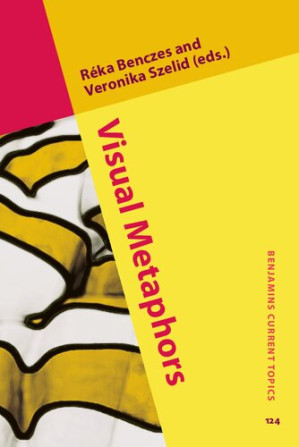
Visual Metaphors (Benjamins Current Topics) 🔍
Réka Benczes, Veronika Szelid
John Benjamins Publishing Company, Benjamins Current Topics, Benjamins Current Topics, 2022
英语 [en] · PDF · 56.2MB · 2022 · 📘 非小说类图书 · 🚀/lgli/lgrs/nexusstc/zlib · Save
描述
"Whenever we think about the world - including its concrete and abstract entities - we typically see a series of so-called mental images in front of our eyes that aid us in everyday problem solving and navigating ourselves in the world. Visual metaphors, similarly to their linguistic counterparts, largely build on such images. Nevertheless, the interplay of metaphorical/metonymical text and imagery is not necessarily (and not usually) straightforward and raises complex theoretical and methodological questions. The eleven chapters in this collection address a wide range of such challenges, such as what are visual metaphors in the first place; how can they be identified; what is their relationship to linguistic metaphors, what are their most common manifestations; what knowledge structures are required for their interpretation, and how do they interact with metonymies. The studies cut across linguistics, politics, philosophy, poetry, art and history - highlighting the ubiquitous role that visual metaphor plays in everyday life and conceptualizations. Originally published as special issue of Cognitive Linguistic Studies 7:1 (2020)"-- Provided by publisher
备用文件名
lgli/Visual Metaphors - Reka Benczes.pdf
备用文件名
lgrsnf/Visual Metaphors - Reka Benczes.pdf
备用文件名
zlib/Society, Politics & Philosophy/Cultural/Réka Benczes, Veronika Szelid/Visual Metaphors_24443568.pdf
备选作者
Veronika Szelid; Réka Benczes
备用出版商
Benjamins Publishing Company, John
备用版本
Benjamins Current Topics Ser, v.124, Amsterdam/Philadelphia, 2022
备用版本
Benjamins current topics, Amsterdam ; Philadelphia, 2022
备用版本
John Benjamins Publishing Co., Amsterdam, 2022
备用版本
Netherlands, Netherlands
元数据中的注释
{"container_title":"Benjamins Current Topics","isbns":["9027211604","902725740X","9789027211606","9789027257406"],"issns":["1874-0081"],"last_page":290,"publisher":"John Benjamins Publishing Company","series":"Benjamins Current Topics"}
备用描述
Visual Metaphors
Editorial page
Title page
Copyright page
Table of contents
From verbality to visuality
References
Theories of visual and linguistic metaphor
Visual metaphor in extended conceptual metaphor theory
1.Introduction
2.Two kinds of visual metaphors
2.1Correlation-based visual metaphors in the real world
2.2Resemblance-based visual metaphors in the real world
3.How some new extensions of CMT apply to visual metaphors
3.1Extended CMT and the analysis of a painting
3.1.1Complex abstract system
3.1.2Abstract movement
4.Conclusions
References
Uncanny resemblance. Words, pictures, and conceptual representations in the field of metaphor
1.Introduction
2.Visual metaphors as elliptic syllogisms
3.The relationship between the picture-maker and the viewer
4.Visual perception and mental imagery
5.Invariance Principle, occlusion shape and occlusion size
6.Aesthetically relevant properties represented by mental imagery
7.Imagery view of visual metaphors
8.Conclusions
Acknowledgements
References
The visuality of metaphors. A formalist ontology of metaphors
1.Two models after the linguistic turn
1.ASemantic model
1.BInternalist model
2.Problems in the internalist-conceptual model
3.Ontology
References
Applications of visual and linguistic metaphor
Visual and multimodal interaction of metaphor and metonymy. A study of Iranian and Dutch print advertisements
1.Introduction
2.Conceptual metonymy
3.Types of metonymy
3.1Source-in-target
3.2Target-in-source
4.Metaphor and metonymy in interaction
4.1Metonymic expansion of a metaphoric source
4.2Metonymic expansion of a metaphoric target
4.3Metonymic reduction of a metaphoric source
4.4Metonymic reduction of a metaphoric target
5.Metonymic complexes
5.1Double domain expansion
5.2Double domain reduction
5.3Domain expansion plus domain reduction
5.4Domain reduction plus domain expansion
6.Conclusions
References
Poetic and visual metaphors in Hungarian folklore
1.Introduction
2.Metaphors of love in Hungarian folk songs
3.Shared conceptual background of a folk song and a hope chest
3.1A folk song about love and marriage
3.2Metaphors of a hope chest
3.2.1Metaphors within a hope chest as a three-dimensional object
3.2.2Metaphors within the decorations of a hope chest
3.2.3Metaphors based on the functional use of a hope chest
4.Conclusion
References
Visual metaphor and its narrative function. Jacek Malczewski’s parabolic painting
1.Introduction
2.Metaphors which we perceive and embrace
3.Perceptual metaphors in fine arts: Their structure and functions
4.Narrative perceptual metaphors and possible worlds
5.Time structure of painting works
6.Narrative minds in possible worlds of art
7.Jacek Malczewski and narrative pictorial metaphors
Conclusion
References
Image metaphors of Trianon
1.Introduction
1.1The Treaty of Trianon
1.2Research questions and hypotheses
1.3Conceptual, cultural, linguistic, and image metaphors
1.4Corpus
1.5Methodology
2.Analysis of the figures
2.1 Figure 1
2.1.1Description
2.1.2Interpretation
2.1.3Conceptual processes
2.2 Figure 2
2.2.1Description
2.2.2Interpretation
2.2.3Conceptual processes
2.3 Figure 3
2.3.1Description
2.3.2Interpretation
2.3.3Conceptual processes
2.4 Figure 4
2.4.1Description
2.4.2Interpretation
2.4.3Conceptual processes
2.5 Figure 5
2.5.1Description
2.5.2Interpretation
2.5.3Conceptual processes
2.6 Figure 6
2.6.1Description
2.6.2Interpretation
2.6.3Conceptual processes
3.7 Figure 7
3.7.1Description
3.7.2Interpretation
3.7.3Conceptual processes
2.8 Figure 8
2.8.1Description
2.8.2Interpretation
2.8.3Conceptual processes
3.Discussion
4.Conclusion
References
Rendering, generalization and variation. On the use of multiple parallel texts as a comparative method in cognitive poetics
1.Introduction
2.Data and method
3.How the systems are similar
4.When the systems differ: Flexibility and irreducible difference
4.1Multiple parallel texts as a window to human cognitive flexibility
4.2Diachrony in multiple parallel texts as a key to identifying an irreducible difference between languages
5.Towards the use of multiple parallel texts as a method in comparative cognitive poetics
Acknowledgements
References
Appendix 1.The Garden of Live Flowers, translations
Appendix 2.Abbreviations used
Multimodal conceptual patterns of Hungary in political cartoons
1.Introduction
2.Theoretical insights
2.1Political cartoon as a genre
2.2Relationship of verbal and visual elements in political cartoons
2.3Metaphtonymy
2.4Methodology
3.Corpus-related multimodal structures
3.1Metaphoric scenario vs. metaphtonymy scenario
3.2Hungary is an object
3.3Hungary is a person
4.Corpus analysis
5.Multimodal conceptual patterns in the corpus
6.Conclusions
Acknowledgements
References
Viewpoint and metaphor in culture. A Cognitive Linguistic analysis on a selection of Chinese eulogistic idioms used in Taiwan
1.Language of death as a cultural product
2.Metaphor and viewpoint in discourse
3.Previous studies of the cultural conceptualization of death and Chinese funeral discourse
4.Data and method
5.Mandarin eulogistic idioms for teachers, media workers and legal experts
5.1Ritual idioms used in funerals of teachers (師長喪)
5.2Ritual idioms used in funerals of media workers (媒體喪)
5.3Ritual idioms used in funerals of legal experts (法界喪)
6.When the mourner becomes the object of conceptualization
7.Culture in discourse and vice versa: What Cognitive Linguistics can reveal about occupations in society
Acknowledgements
Glossary
References
Appendix.Eulogistic idioms in the online request system analyzed
Subject index
Editorial page
Title page
Copyright page
Table of contents
From verbality to visuality
References
Theories of visual and linguistic metaphor
Visual metaphor in extended conceptual metaphor theory
1.Introduction
2.Two kinds of visual metaphors
2.1Correlation-based visual metaphors in the real world
2.2Resemblance-based visual metaphors in the real world
3.How some new extensions of CMT apply to visual metaphors
3.1Extended CMT and the analysis of a painting
3.1.1Complex abstract system
3.1.2Abstract movement
4.Conclusions
References
Uncanny resemblance. Words, pictures, and conceptual representations in the field of metaphor
1.Introduction
2.Visual metaphors as elliptic syllogisms
3.The relationship between the picture-maker and the viewer
4.Visual perception and mental imagery
5.Invariance Principle, occlusion shape and occlusion size
6.Aesthetically relevant properties represented by mental imagery
7.Imagery view of visual metaphors
8.Conclusions
Acknowledgements
References
The visuality of metaphors. A formalist ontology of metaphors
1.Two models after the linguistic turn
1.ASemantic model
1.BInternalist model
2.Problems in the internalist-conceptual model
3.Ontology
References
Applications of visual and linguistic metaphor
Visual and multimodal interaction of metaphor and metonymy. A study of Iranian and Dutch print advertisements
1.Introduction
2.Conceptual metonymy
3.Types of metonymy
3.1Source-in-target
3.2Target-in-source
4.Metaphor and metonymy in interaction
4.1Metonymic expansion of a metaphoric source
4.2Metonymic expansion of a metaphoric target
4.3Metonymic reduction of a metaphoric source
4.4Metonymic reduction of a metaphoric target
5.Metonymic complexes
5.1Double domain expansion
5.2Double domain reduction
5.3Domain expansion plus domain reduction
5.4Domain reduction plus domain expansion
6.Conclusions
References
Poetic and visual metaphors in Hungarian folklore
1.Introduction
2.Metaphors of love in Hungarian folk songs
3.Shared conceptual background of a folk song and a hope chest
3.1A folk song about love and marriage
3.2Metaphors of a hope chest
3.2.1Metaphors within a hope chest as a three-dimensional object
3.2.2Metaphors within the decorations of a hope chest
3.2.3Metaphors based on the functional use of a hope chest
4.Conclusion
References
Visual metaphor and its narrative function. Jacek Malczewski’s parabolic painting
1.Introduction
2.Metaphors which we perceive and embrace
3.Perceptual metaphors in fine arts: Their structure and functions
4.Narrative perceptual metaphors and possible worlds
5.Time structure of painting works
6.Narrative minds in possible worlds of art
7.Jacek Malczewski and narrative pictorial metaphors
Conclusion
References
Image metaphors of Trianon
1.Introduction
1.1The Treaty of Trianon
1.2Research questions and hypotheses
1.3Conceptual, cultural, linguistic, and image metaphors
1.4Corpus
1.5Methodology
2.Analysis of the figures
2.1 Figure 1
2.1.1Description
2.1.2Interpretation
2.1.3Conceptual processes
2.2 Figure 2
2.2.1Description
2.2.2Interpretation
2.2.3Conceptual processes
2.3 Figure 3
2.3.1Description
2.3.2Interpretation
2.3.3Conceptual processes
2.4 Figure 4
2.4.1Description
2.4.2Interpretation
2.4.3Conceptual processes
2.5 Figure 5
2.5.1Description
2.5.2Interpretation
2.5.3Conceptual processes
2.6 Figure 6
2.6.1Description
2.6.2Interpretation
2.6.3Conceptual processes
3.7 Figure 7
3.7.1Description
3.7.2Interpretation
3.7.3Conceptual processes
2.8 Figure 8
2.8.1Description
2.8.2Interpretation
2.8.3Conceptual processes
3.Discussion
4.Conclusion
References
Rendering, generalization and variation. On the use of multiple parallel texts as a comparative method in cognitive poetics
1.Introduction
2.Data and method
3.How the systems are similar
4.When the systems differ: Flexibility and irreducible difference
4.1Multiple parallel texts as a window to human cognitive flexibility
4.2Diachrony in multiple parallel texts as a key to identifying an irreducible difference between languages
5.Towards the use of multiple parallel texts as a method in comparative cognitive poetics
Acknowledgements
References
Appendix 1.The Garden of Live Flowers, translations
Appendix 2.Abbreviations used
Multimodal conceptual patterns of Hungary in political cartoons
1.Introduction
2.Theoretical insights
2.1Political cartoon as a genre
2.2Relationship of verbal and visual elements in political cartoons
2.3Metaphtonymy
2.4Methodology
3.Corpus-related multimodal structures
3.1Metaphoric scenario vs. metaphtonymy scenario
3.2Hungary is an object
3.3Hungary is a person
4.Corpus analysis
5.Multimodal conceptual patterns in the corpus
6.Conclusions
Acknowledgements
References
Viewpoint and metaphor in culture. A Cognitive Linguistic analysis on a selection of Chinese eulogistic idioms used in Taiwan
1.Language of death as a cultural product
2.Metaphor and viewpoint in discourse
3.Previous studies of the cultural conceptualization of death and Chinese funeral discourse
4.Data and method
5.Mandarin eulogistic idioms for teachers, media workers and legal experts
5.1Ritual idioms used in funerals of teachers (師長喪)
5.2Ritual idioms used in funerals of media workers (媒體喪)
5.3Ritual idioms used in funerals of legal experts (法界喪)
6.When the mourner becomes the object of conceptualization
7.Culture in discourse and vice versa: What Cognitive Linguistics can reveal about occupations in society
Acknowledgements
Glossary
References
Appendix.Eulogistic idioms in the online request system analyzed
Subject index
开源日期
2023-01-07
We strongly recommend that you support the author by buying or donating on their personal website, or borrowing in your local library.
🚀 快速下载
成为会员以支持书籍、论文等的长期保存。为了感谢您对我们的支持,您将获得高速下载权益。❤️
🐢 低速下载
由可信的合作方提供。 更多信息请参见常见问题解答。 (可能需要验证浏览器——无限次下载!)
- 低速服务器(合作方提供) #1 (稍快但需要排队)
- 低速服务器(合作方提供) #2 (稍快但需要排队)
- 低速服务器(合作方提供) #3 (稍快但需要排队)
- 低速服务器(合作方提供) #4 (稍快但需要排队)
- 低速服务器(合作方提供) #5 (无需排队,但可能非常慢)
- 低速服务器(合作方提供) #6 (无需排队,但可能非常慢)
- 低速服务器(合作方提供) #7 (无需排队,但可能非常慢)
- 低速服务器(合作方提供) #8 (无需排队,但可能非常慢)
- 低速服务器(合作方提供) #9 (无需排队,但可能非常慢)
- 下载后: 在我们的查看器中打开
所有选项下载的文件都相同,应该可以安全使用。即使这样,从互联网下载文件时始终要小心。例如,确保您的设备更新及时。
外部下载
-
对于大文件,我们建议使用下载管理器以防止中断。
推荐的下载管理器:JDownloader -
您将需要一个电子书或 PDF 阅读器来打开文件,具体取决于文件格式。
推荐的电子书阅读器:Anna的档案在线查看器、ReadEra和Calibre -
使用在线工具进行格式转换。
推荐的转换工具:CloudConvert和PrintFriendly -
您可以将 PDF 和 EPUB 文件发送到您的 Kindle 或 Kobo 电子阅读器。
推荐的工具:亚马逊的“发送到 Kindle”和djazz 的“发送到 Kobo/Kindle” -
支持作者和图书馆
✍️ 如果您喜欢这个并且能够负担得起,请考虑购买原版,或直接支持作者。
📚 如果您当地的图书馆有这本书,请考虑在那里免费借阅。
下面的文字仅以英文继续。
总下载量:
“文件的MD5”是根据文件内容计算出的哈希值,并且基于该内容具有相当的唯一性。我们这里索引的所有影子图书馆都主要使用MD5来标识文件。
一个文件可能会出现在多个影子图书馆中。有关我们编译的各种数据集的信息,请参见数据集页面。
有关此文件的详细信息,请查看其JSON 文件。 Live/debug JSON version. Live/debug page.